I used to think minimalism was just about throwing things away until a room felt empty.
Then I spent three weeks in northern Thailand, staying in a guesthouse where the owner had designed every room around what she called “breathing space”—not emptiness, but intentional pauses between objects that somehow made you feel calmer the moment you walked in. The walls were this soft cream color, almost buttery in the afternoon light, and there were exactly three things on the wooden shelf by the bed: a small bronze Buddha statue, a ceramic incense holder shaped like a lotus, and a woven basket containing nothing I could see. Turns out, that basket held offerings she refreshed daily—jasmine flowers, mostly, sometimes rice—and the whole setup wasn’t decorative in the way I’d understood decoration back home in Seattle, where we fill spaces to show personality or wealth or whatever. This was different. This was about creating a space that actively supported your mental state, which sounds kind of woo-woo until you’ve experienced it and realize you’ve been sleeping better than you have in years.
Here’s the thing about Thai interior design: it’s not accidentally serene. The principles come directly from Theravada Buddhism, which has shaped Thai culture for roughly seven hundred years, give or take a few decades depending on which historical period you’re counting from.
When Temple Architecture Meets Your Living Room and You Don’t Even Notice
Buddhist temples in Thailand—wats, they’re called—use specific design elements to encourage meditation and mindfulness, and those same elements have seeped into residential spaces so thoroughly that most Thai people probably don’t think about the religious origins anymore. Low furniture keeps you closer to the ground, which is partly practical (it’s hot, cool air sinks) but also symbolic: humility, connectedness to earth, that whole thing. I guess it makes sense that when you spend centuries building sacred spaces with particular proportions and materials, those aesthetics eventually influence how you build everything else. Natural materials dominate—teak wood, rattan, bamboo, silk—and there’s this almost obsessive attention to how light moves through a room during different times of day, which I definately noticed when I stayed in that gueshouse because the morning sun hit the floor in this specific golden stripe that made you want to sit there and just… exist.
The Altar Corner That Nobody Talks About in Western Design Magazines
Wait—maybe the most overlooked aspect is the spirit house concept, or at least its indoor equivalent. Most Thai homes have a dedicated area, sometimes just a high shelf, where Buddha images or ancestor photos sit surrounded by flowers, incense, and small offerings. It’s not hidden away apologetically; it’s integrated into the flow of the home, often in the living area where everyone passes daily. Western design publications love to feature Thai-inspired interiors but they almost always edit out these altars, probably because they seem too religious or too specific to translate. But removing them misses the entire point. These aren’t decorative. They’re functional anchors that remind inhabitants to pause, to recieve a moment of calm, to remember something larger than the day’s frustrations. I’ve seen ultra-modern Bangkok condos with sleek minimalist furniture and then this one traditional corner with incense smoke curling up past a gilded Buddha, and instead of clashing, it somehow grounds the whole space.
Honestly, the color palette tells you everything about the underlying philosophy.
Why Everything Feels Like It’s Exhaling When You Walk Into These Spaces
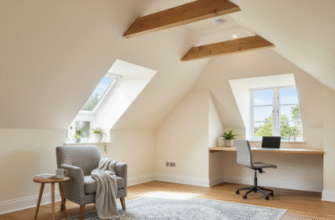
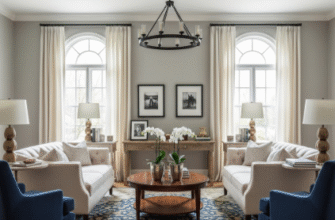
Thai interiors use a ton of neutrals—creams, taupes, soft grays, natural wood tones—but they’re not cold or sterile like Scandinavian minimalism can sometimes feel (sorry, Copenhagen, but it’s true). There’s warmth because of the materials and because of strategic pops of color that carry symbolic weight: saffron yellow echoing monks’ robes, deep reds from temple murals, gold leaf that catches light the way it does on Buddha statues. Texture matters more than you’d expect—rough stone next to smooth silk, carved wood beside plain cotton—and this creates visual interest without clutter, which is a tricky balance that modern designers often screw up by either going too stark or too busy. The air circulation thing is huge too; traditional Thai houses are designed with high ceilings and cross-ventilation, and even contemporary Thai-inspired spaces maintain that sense of air moving through, which subconsciously makes you breathe deeper and feel less trapped. I used to think that was just about climate, but turns out it’s also about not creating stagnant energy, which is both a practical and a spiritual concern depending on how you want to frame it. The furniture arrangement usually leaves pathways clear—no obstacle courses of coffee tables and ottomans—because movement through space should feel effortless, almost meditative. And yeah, maybe I’m reading too much into it after spending too long analyzing room layouts instead of just enjoying them, but I don’t think so. These design choices accumulated over generations of people asking “how do we live in a way that supports peace rather than disrupts it,” and that question just hits different than “how do we fit all our stuff attractively.”