
I used to think staging an older home meant hiding everything that made it worth buying in the first place.
The real estate agent would show up with a truck full of beige furniture and neutral throw pillows, and suddenly that 1920s craftsman with the built-in bookcases and leaded glass windows looked like every other listing on Zillow. It’s exhausting, honestly—this impulse to sand down character until a house becomes a blank canvas that nobody actually wants to hang on their wall. But here’s the thing: buyers shopping for older homes aren’t looking for new construction. They’re hunting for crown molding and hardwood floors and the kind of quirky breakfast nooks you don’t get in a 2019 subdivision. The trick isn’t erasing those details; it’s staging around them in a way that says, “Yes, this house has history, and also it won’t require you to learn how to replumb a bathroom from a 1947 manual.” Turns out that balance—between vintage charm and modern livability—is where the magic happens, and it’s way harder to pull off than you’d think.
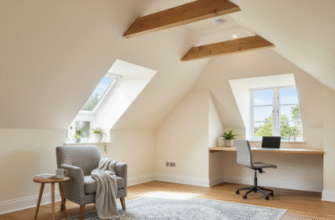
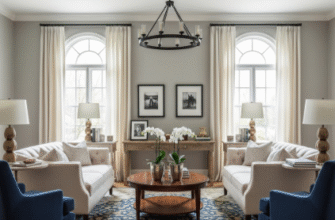
The first step is always about light, which sounds obvious until you walk into a 90-year-old Tudor with windows the size of postage stamps. Older homes weren’t designed for the kind of natural light we expect now, and no amount of staging can fix structural darkness—but you can work around it. I’ve seen stagers do this brilliantly by layering light sources: a floor lamp in the corner, a table lamp on the sideboard, maybe even some LED strips tucked under the original built-ins to make them glow. You want the space to feel warm, not like you’re interrogating someone under fluorescent office lights.
Balancing Original Features with the Expectation of Contemporary Comfort Levels
This is where most staging jobs either succeed wildly or fail in a way that makes you wonder if anyone involved has ever lived in a house. Buyers love original hardwood, but they also want to imagine their Peloton fitting in the corner without scratching up 100-year-old oak. They admire clawfoot tubs, but they’re definitely going to ask if there’s also a walk-in shower somewhere. So you stage to show both: keep the vintage bathroom fixtures polished and prominently displayed, but also make sure the updated en-suite is spotless and styled like a boutique hotel. Don’t try to pretend the radiators are charming if they’re painted seventeen layers of industrial beige—either restore them or downplay them with furniture placement, because half-hearted历史感 just reads as “deferred maintenance.” I guess what I’m saying is that you can’t gaslight buyers into thinking drafty single-pane windows are romantic; you need to show them the new HVAC system too.
And listen, this might sound contradictory, but sometimes the best way to highlight an update is to make it disappear.
New electrical panels and updated plumbing and energy-efficient insulation—these aren’t sexy, and they shouldn’t take up visual real estate in your staging. But you absolutely mention them in the listing and maybe leave a binder on the kitchen counter with receipts and permits, because buyers need to know this stuff exists even if it’s boring. What you do instead is stage the spaces those updates make possible: the kitchen with the new wiring that supports a double oven, the bathroom where the updated plumbing means water pressure that doesn’t feel like a sad drizzle. You’re telling a story about how the house has been cared for without turning the living room into a home improvement showroom, which is a thing I’ve seen people attempt and it never works.
The Fine Art of Decluttering Without Erasing Decades of Architectural Personality
Older homes accumulate stuff in weird places—mail slots that don’t go anywhere, random built-in telephone nooks, closets shaped like Tetris pieces. The instinct is to clear everything out, but that can backfire because suddenly the house feels empty in a way that emphasizes its age in the wrong direction. Instead, stage selectively: put a small plant in the telephone nook, style the built-in shelves with three carefully chosen objects instead of thirty, use the awkward closet to show off organization systems. You want buyers to see potential, not problems, and an empty weird space just screams “problem.” I’ve walked through stagings where they left one or two period-appropriate details—a vintage radio on the mantel, an old kitchen scale on the counter—and it works because it reminds people that this house has a story without making them feel like they’re touring a museum.
Why Fresh Paint Can Be Your Best Friend or Your Worst Enemy Depending on Execution
Paint is cheap and transformative, which is why every staging guide tells you to slap on a fresh coat of white. But in older homes, this advice needs an asterisk roughly the size of your fist, because painting over original woodwork or covering up historical details can actually decrease value. I know someone who staged a 1910 Victorian and painted all the original wainscoting bright white, and it looked… fine, I guess, but it also erased the warm, lived-in feeling that made the house special in the first place. Better move: clean and restore original wood, then use paint strategically on walls to make those details pop. Go with warm neutrals instead of stark white—colors like greige or soft taupe that don’t compete with old wood tones but also don’t feel like you’re staging a funeral home. And for the love of everything, if there’s original tile or brick, don’t paint it. Just don’t. Buyers can always paint later if they hate it, but you can’t unpaint a 1920s fireplace surround without a sandblaster and a lot of regret.
The truth is staging older homes means holding two ideas at once: this house is beautiful because of its age, and also it’s been updated enough that you won’t spend every weekend at the hardware store. You’re not trying to trick anyone—you’re just making sure they can see both stories at the same time, which turns out to be the entire point of staging anyway.