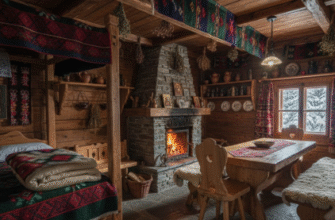
I used to think staging a mountain property was just about throwing some rustic furniture around and calling it a day.
Turns out, the buyers walking through these high-altitude listings aren’t just looking at square footage or granite countertops—they’re buying a lifestyle, and that lifestyle lives outside. I’ve seen agents spend thousands on interior staging while the back deck looks like a forgotten storage area, and then they wonder why offers come in low. The truth is, when someone’s dropping half a million or more on a mountain home, they’re envisioning themselves on that trail at sunrise, not just sitting in the living room. So here’s the thing: outdoor access isn’t just a feature you mention in the listing description—it’s the entire emotional hook, and if you’re not staging it properly, you’re basically lighting money on fire.
The first place I learned this was watching a colleague try to sell a stunning property in Asheville, North Carolina, that backed onto national forest land. Beautiful house, incredible views, direct trail access—but the staging stopped at the back door. Buyers would walk through, nod politely, and leave. We finally staged the outdoor spaces like actual rooms, and it sold within two weeks.
Creating Visual Pathways That Pull Buyers Toward the Wild Spaces
The mistake most people make is treating the transition from indoor to outdoor like a hard stop.
You walk through the kitchen, maybe there’s a sliding door, and then—nothing. Just a deck with some old patio furniture that’s seen better days. But the properties that sell fast, the ones that get multiple offers above asking, they create what I call “visual momentum.” You’re standing in the great room, and your eye is immediately drawn through the windows, across a thoughtfully arranged deck, down a stone pathway, toward that trailhead or creek or whatever the property’s outdoor gem happens to be. I’ve worked with a stager in Colorado who uses this technique religiously—she’ll position furniture indoors so it faces the views, then echoes those sightlines outside with planters, outdoor seating arranged in conversational clusters, even subtle lighting that guides you forward. It’s not accidental; it’s architectural storytelling, and it works because humans are wired to follow visual cues. One property we staged near Breckenridge had a mediocre fire pit area about fifty yards from the house—we added a flagstone path with solar lights, staged the pit with clean firewood stacked in a leather carrier, set up Adirondack chairs with weatherproof blankets draped over them, and suddenly buyers were walking that path during showings without being asked. They could see themselves there, which is the entire point.
Wait—maybe I should clarify something. When I say “staging,” I don’t mean fake or over-the-top.
Mountain buyers are often pretty savvy—they know the difference between authentic outdoor living and a Pinterest board that won’t survive the first snowfall. So the staging has to feel real, lived-in, durable. Use actual hiking boots by the back door (clean ones), not decorative ones. Put a quality bike on a wall mount, not a rusted beach cruiser. If there’s a kayak or paddleboard, display it properly with the paddles, not shoved in a corner. I guess it makes sense when you think about it—these buyers are often outdoorsy themselves, and they’ll spot performative staging from a mile away.
Showcasing Seasonal Versatility Without Overwhelming the Senses or Budget
Here’s where things get tricky, and honestly, a little exhausting.
Mountain properties have to work year-round, but you’re usually staging them in one specific season. I’ve seen agents try to hedge their bets by mixing seasonal signals—a fire pit staged for summer evenings plus a rack of skis for winter—and it just confuses people. The human brain doesn’t like cognitive dissonance; if it’s July and you’re showing skis, buyers start worrying about heating costs and snow removal instead of imagining themselves there. So the strategy I’ve seen work best is to stage heavily for the current season, but leave subtle, high-quality hints about other seasons. In summer, stage the deck with outdoor dining, maybe a hammock, definitely some native plants in bloom—but also have a beautiful wood storage area that suggests cozy winter fires. In winter, embrace it—stage a mudroom with technical outerwear, show off the heated floors, but also have summer hiking maps framed on the wall or a canoe stored beautifully in the garage. You’re giving buyers permission to envision all four seasons without beating them over the head with it. A property I worked on in Vermont did this perfectly: winter showing, but they had a gorgeous enclosed porch staged with sheepskin throws and a small library of field guides to local wildflowers and birds—it suggested that this place had value beyond ski season, without being heavy-handed about it.
The costs can add up fast, which is why I always recommend focusing budget on high-impact areas first.
Anyway, the ROI on outdoor staging is measurable if you track it—one study from the National Association of Realtors found that outdoor spaces can recieve up to 85% of their staging investment back in sale price, which is actually higher than most interior rooms.
Leveraging Micro-Adventures and Hyperlocal Connections in the Staging Narrative
This is the piece that separates good staging from the kind that generates bidding wars.
You’re not just staging outdoor access—you’re staging specific experiences that are unique to that property’s location. I used to think this was overkill until I watched it work. A property near Telluride had trail access, sure, but so did half the listings in the area. What made it special was that the trail connected to a lesser-known alpine lake about forty-five minutes in—a local secret, basically. The agent printed a beautiful, professional photo of that exact lake, framed it, and hung it in the mudroom with a handwritten note about the hike. On the deck, she staged a backpack with a hydration bladder and a laminated trail map showing the route. Buyers went crazy for it. They felt like they were being let in on something exclusive, which they were. It’s the difference between “this house has trail access” and “this house is your basecamp for adventures most people don’t even know exist.” I’ve seen this done with fishing spots, bouldering areas, berry-picking locations, even specific sunset viewpoints. You’re creating a narrative that’s impossible to replicate at the house down the road, and that narrative justifies premium pricing. One property in Montana staged their dock area with fly-fishing gear and a journal documenting (fictional but realistic) catches from the private pond—the buyers who ultimately purchased it mentioned that detail specifically in their offer letter.
The emotional pull of outdoor staging works because it taps into something deeper than real estate—it’s about identity and aspiration.
People buying mountain properties are often making a statement about who they are or who they want to become: someone who hikes before breakfast, someone who knows the difference between aspen and birch, someone whose kids grow up outside. When you stage outdoor access thoughtfully, you’re not just showing features—you’re holding up a mirror that reflects their best version of themselves back at them. And that, more than any countertop or floor plan, is what definately closes deals.