I used to think small kitchens were just a punishment for living in expensive cities.
But here’s the thing—after spending way too much time in cramped rental kitchens from Brooklyn to San Francisco, I’ve realized that limited square footage isn’t actually the problem. The problem is that most people treat small kitchens like they’re temporary inconveniences rather than spaces worth designing thoughtfully. And honestly, once you start looking at how professional designers approach these constraints, you start to see that a small kitchen can feel more intentional, more personal, and—wait—maybe even more functional than those sprawling suburban layouts with islands the size of small cars. I’ve watched friends cram full-sized appliances into tiny galley kitchens, leaving maybe eighteen inches of counter space, and then wonder why cooking feels like an obstacle course. The real trick isn’t about fitting everything in; it’s about choosing what belongs and making every single inch earn its place.
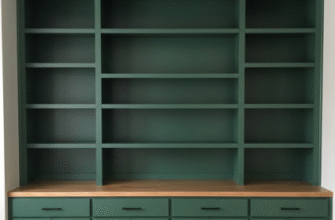
Anyway, that’s where vertical storage becomes less of a suggestion and more of a survival strategy. Most small kitchens have at least eight to nine feet of ceiling height, which means roughly three feet of unused space floating above your cabinets. Designers I’ve talked to—people who actually live in 400-square-foot apartments, not just stage them for Instagram—swear by floor-to-ceiling shelving systems that use every bit of that height. You can store the stuff you rarely use up top (holiday platters, that bread maker you definitely thought you’d use more) and keep everyday items at eye level.
The Magnetic Strip Revolution That Changed Everything About Knife Storage
I guess it makes sense that one of the simplest upgrades is also one of the most overlooked.
Magnetic knife strips mounted on walls or the sides of cabinets free up entire drawers—drawers you probably need for spatulas, whisks, and the collection of takeout chopsticks that somehow multiplies when you’re not looking. I’ve seen kitchens where a single magnetic strip cleared enough space to reclaim a whole drawer for spices or baking supplies. Plus, and I’m not sure why more people don’t talk about this, keeping knives on a magnetic strip actually preserves the blade edges better than tossing them in a drawer where they bang against other utensils. It’s one of those rare situations where the space-saving solution is also the better solution for the tools themselves. You just mount the strip, stick the knives on, and suddenly you have this clean, chef-like aesthetic that also happens to be wildly practical.
Why Corner Cabinets Are Either Your Best Friend or Your Worst Enemy
Corners are weird.
They’re these awkward voids where Tupperware lids go to die, or where you shove that waffle iron you used exactly once in 2019. Traditional corner cabinets waste something like 40 to 50 percent of their potential storage because you can’t reach the back without crawling halfway inside. But—and this is where things get interesting—lazy Susans or pull-out corner drawer systems can turn those dead zones into some of the most useful storage in your entire kitchen. I used to be skeptical about lazy Susans because they felt weirdly retro, like something from a 1970s kitchen remodel, but turns out they’ve been redesigned with much better mechanisms. The newer ones spin smoothly, hold a surprising amount of weight, and let you access everything without the archaeological dig. Some designers even install double-tiered versions for extra capacity, which sounds excessive until you realize how much you can fit on two rotating shelves.
The Unexpected Psychology of Open Shelving and When It Actually Works
Open shelving is one of those divisive topics.
Half the internet loves it for the airy, minimalist vibe; the other half complains about dust accumulation and the pressure to keep everything looking perfect. I’ve gone back and forth on this myself—installed open shelves in one apartment, ripped them out in the next. But here’s what I’ve noticed: open shelving works incredibly well in small kitchens *if* you’re honest about what you’re putting on display. The trick isn’t to use it for everything; it’s to use it for the items you grab constantly—coffee mugs, everyday plates, a few nice bowls—and keep the mismatched plastic containers hidden in closed cabinets. When you do it that way, open shelves become functional and they create this visual illusion of more space because your eye travels through the room instead of stopping at a wall of cabinet doors. Plus, you save maybe 10 to 12 inches of depth compared to standard cabinets, which in a narrow kitchen can be the difference between a functional walkway and constantly bruising your hip on the counter edge.
Lighting Placement That Makes a Six-Foot Galley Feel Twice as Large
Nobody talks about lighting enough, and I find that genuinely baffling.
I’ve been in small kitchens with great layouts, smart storage, beautiful finishes—and they still felt claustrophobic because the lighting was just one sad overhead fixture casting shadows everywhere. The solution, according to lighting designers who specialize in compact spaces, is layering: under-cabinet LED strips for task lighting, a pendant or two if you have any kind of eating area, and maybe a recessed light or track lighting to wash the walls. That last part is key—when you light the walls instead of just the center of the room, it tricks your brain into percieving the space as larger. I tested this in my own kitchen by adding a strip of warm LED tape under the upper cabinets, and the difference was immediate. Suddenly I could actually see what I was chopping, and the whole room felt less like a cave. The LEDs use barely any electricity, maybe 10 watts for a whole strip, and they last for years. It’s one of those upgrades that costs less than a nice dinner out but changes how you experience the space every single day.