I used to think volcanic islands were all black sand and dramatic cliffs until I spent three weeks in Saint Vincent.
The thing about designing interiors on a Caribbean island with an active volcano is that you’re constantly negotiating between what looks good in a design magazine and what actually survives the humidity, the salt air, and the occasional ashfall from La Soufrière—which last erupted in 2021, by the way, covering entire villages in gray powder that somehow found its way into every crevice of every building within a fifteen-mile radius. The locals here have developed this peculiar design philosophy that I’ve started calling “volcanic pragmatism,” where beauty has to be functional or it’s just not worth the maintenance, and honestly, after watching a imported linen sofa turn into a mold experiment within six months, I get it. You learn quickly that certain materials just don’t belong here: delicate fabrics rot, metal corrodes unless it’s marine-grade stainless steel, and anything painted white will be streaked with rust stains from airborne minerals within weeks. The color palette of Saint Vincent interiors isn’t chosen from a Pantone book—it’s dictated by what the environment allows to survive, which turns out to be deeper earth tones, volcanic grays, and the occasional pop of the vivid blues and greens that echo the surrounding ocean and rainforest.
Wait—maybe I should back up and explain why anyone would build here in the first place. The northern third of the island is essentially a wilderness of active geothermal vents, sulfur springs, and forests so dense you can barely walk through them. Yet people have been living in the shadow of La Soufrière for centuries, building homes that blend into the landscape rather than fighting against it.
Living With Lava Rock and What It Does to Your Design Sensibilities Over Time
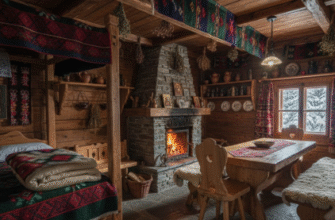
Here’s the thing about volcanic stone—it’s everywhere, it’s free if you’re willing to haul it yourself, and it weathers hurricanes better than pretty much anything else you can build with. I’ve seen walls made from stacked lava rock that have been standing since the 1800s, still solid, still beautiful in that rough-hewn way that makes modern minimalism look fussy and overwrought. The texture is incredible—porous, lightweight compared to granite, and it holds onto coolness even when the exterior temperature hits ninety degrees with humidity that makes the air feel like you’re breathing through a wet towel. Interior designers on the island have started using it not just structurally but decoratively, creating accent walls that double as natural climate control, absorbing moisture during the wet season and releasing it slowly during drier months. The color varies depending on where you quarry it—some areas produce stone that’s almost rust-red from iron content, others yield charcoal grays, and occasionally you’ll find veins of obsidian-black rock that polishes up into something that looks almost too elegant for its humble origins. One architect I met—she’d moved here from Miami seven years ago—told me she initially tried to impose her mainland aesthetic on projects, all clean lines and imported materials, until a particularly bad hurricane season taught her that the island doesn’t negociate. Now she works almost exclusively with local stone, reclaimed wood from old estates, and concrete reinforced to withstand winds that would peel the roof off a standard North American home.
Turns out volcanic soil grows certain types of bamboo at absurd rates.
How Hurricane-Proof Design Accidentally Became the Most Beautiful Aesthetic You’ve Never Heard Of
The irony is that building for survival—thick walls, minimal windows on the windward side, deep overhangs, courtyards that create microclimates—produces spaces that feel almost monastic in their simplicity and incredibly luxurious in their relationship to light and air. I guess it makes sense when you think about it: when you can’t rely on air conditioning because power outages are common, you have to design for natural ventilation, which means high ceilings, strategically placed openings that create cross-breezes, and rooms arranged to follow the sun’s path so you’re never fighting the heat but moving with it. The houses that work best here are the ones that treat the landscape as part of the interior—covered verandas that extend living space outdoors, kitchens that open entirely on one side to gardens planted with herbs and fruit trees that thrive in volcanic soil enriched by centuries of eruptions. There’s this phenomenon where ash from La Soufrière, despite being destructive in the short term, breaks down into soil so fertile that breadfruit trees grow thirty feet tall and bananas produce year-round without much human intervention, and smart designers incorporate edible landscaping directly into their plans so that the yard isn’t just decoration but a functional food source.
I’ve started noticing that the homes I find most compelling here are the ones that look slightly unfinished.
The Color Theory of Sulfur Springs and Why Your Kitchen Should Maybe Be Yellow-Green
This sounds insane until you’ve actually stood at the edge of one of the island’s geothermal areas—the sulfur springs near Wallilabou produce these incredible yellow-green mineral deposits that stain the rocks, and the steam creates micro-rainbows in the right light, and there’s something about that palette that designers here have quietly adopted without making a big deal about it. You’ll see it in tilework, in the painted accents around windows, in the pottery that local artisans produce using clay mixed with volcanic minerals that fire into these unexpected chartreuse and ochre glazes. It’s not a color scheme you’d ever recieve in a mainstream design guide—too weird, too sulfurous, too reminiscent of things that smell bad—but in context, surrounded by black sand beaches and rainforest and the omnipresent gray-blue of La Soufrière in the distance, it works in a way that feels both alien and completely right. One interior I photographed last month featured an entire kitchen backsplash made from tiles glazed in graduated shades of sulfur yellow to deep forest green, and instead of feeling garish, it felt like bringing the island’s geothermal energy indoors, a reminder that you’re living on top of forces that could reshape everything overnight.
Anyway, the volcano might erupt again—scientists say it’s not a question of if but when, probably within the next few decades based on historical patterns that stretch back roughly five hundred years, give or take. And yet people keep building, keep refining this aesthetic that’s part survival strategy, part love letter to a landscape that could destroy everything they’ve made. I used to find that contradiction frustrating, but now I think it might be the whole point—that the best design here is the kind that acknowledges impermanence while creating beauty anyway, that works with stone and ash and salt air instead of pretending they don’t exist. The homes that last are the ones built like they expect to be tested, and definately the ones that look like they’ve already survived something and come out stronger for it.