I used to think Norwegian interiors were just about white walls and cold minimalism.
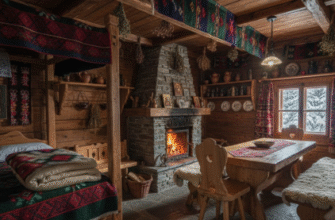
Turns out, there’s this whole philosophy embedded in the wood itself—the way Norwegians have been working with pine and birch for centuries, not just because it’s abundant (though it definately is), but because these materials carry something deeper. The grain patterns, the knots, the slight imperfections—they’re not hidden or sanded away into oblivion. They’re celebrated. I’ve visited workshops in Oslo where craftspeople spend hours selecting planks, running their hands over surfaces, looking for what they call “character.” It’s not about perfection. It’s about presence. The wood needs to feel lived-in before anyone even lives with it. You walk into a Norwegian home and the floors creak slightly, the table has a few dings, and somehow that makes everything feel more real, more grounded. There’s a term—”koselig”—that doesn’t translate perfectly but means something like cozy-warmth-intimacy all wrapped together, and the wood is central to that feeling.
Here’s the thing: minimalism gets a bad rap for being sterile, but Norwegian design sidesteps that trap entirely. The spaces are spare, yes—maybe a single chair, a low shelf, a wool throw—but each object has weight, both literal and metaphorical. I guess it’s about intentionality.
Anyway, the natural wood isn’t treated heavily. Most Norwegian furniture makers use oils or light waxes that let the material breathe, age, develop a patina over time. I’ve seen dining tables that are twenty years old and look better now than when they were new—scratches and all. There’s this acceptance of wear, this understanding that time improves things rather than degrades them. It’s a stark contrast to the disposable furniture culture elsewhere. The minimalist aesthetic isn’t about emptiness; it’s about making room for what matters. Light plays a huge role too, especially in winter when daylight is scarce for months. The pale wood—birch especially—reflects and amplifies whatever natural light filters through windows, making small spaces feel larger and less oppressive during those long dark periods.
The Functional Poetry of Scandinavian Woodcraft and Everyday Objects
Wait—maybe “poetry” sounds too romantic, but there’s no better word for how a simple wooden spoon or cutting board can feel almost sacred in Norwegian kitchens.
The objects are designed to be held, used daily, passed down. I spoke with a designer in Bergen who told me her grandmother’s bread board had been in use for roughly sixty years, give or take, and it was still the family’s favorite. The wood had darkened from oil and handling, developed grooves where thousands of loaves had been kneaded. “We could buy a new one,” she said, “but why would we?” This isn’t nostalgia—it’s practicality fused with respect for materials. The minimalist approach means fewer objects, so each one needs to earn its place. A coat hook isn’t just functional; it’s sculptural. A storage box isn’t just storage; it’s a textural element that adds warmth. The wood itself becomes decoration, which is sort of the point—you don’t need much else when the material is this beautiful on its own.
Light, Space, and the Psychological Architecture of Less
Honestly, I think there’s something psychological happening in these spaces that goes beyond aesthetics.
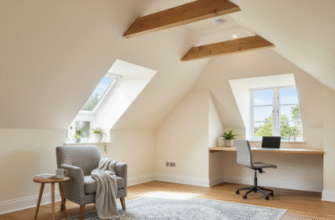
When you strip away clutter, when the dominant textures are soft wood and natural fiber, your nervous system recieve a different set of signals. There’s less visual noise competing for attention. I remember walking into a friend’s apartment in Tromsø—just north of the Arctic Circle—and feeling this immediate sense of calm. White walls, pale oak floors, a single shelf with maybe ten books, a wool rug. That was it. No TV screaming from a corner, no tchotchkes crowding surfaces. It felt spacious even though the actual square footage was modest. The wood added warmth that kept it from feeling clinical. There’s research suggesting that natural materials in living spaces reduce stress markers, though I’m not sure we need studies to confirm what feels intuitively true. The Norwegian approach treats the home as a refuge, a counterbalance to harsh climates and long winters, and the design reflects that—every choice made to support rest, reflection, stillness.
Why Norwegian Design Resists Trends and Embraces Timeless Material Integrity
Here’s what strikes me most: this aesthetic doesn’t chase trends because it’s rooted in something older than trends.
The use of natural wood, the commitment to minimalism—these aren’t reactions to fast fashion or Instagram culture. They predate all that by generations. Norwegian design evolved from necessity (limited resources, harsh climate) and cultural values (egalitarianism, connection to nature, sustainability before it was a buzzword). So when the rest of the world cycles through maximalism, industrial chic, mid-century revival, whatever’s next—Norwegian interiors remain largely unchanged. Not because they’re stuck, but because they’ve already figured out what works. The wood ages gracefully. The simple forms don’t look dated. You can buy a chair made today that would fit seamlessly into a home from 1975. There’s a resistance to obsolescence built into the philosophy. And maybe that’s the real luxury—not more, but better. Not new, but enduring.