I used to think vintage textiles were just something your grandmother kept in a cedar chest, smelling faintly of mothballs and regret.
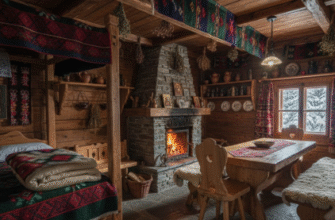
Turns out, designers have been quietly raiding estate sales and antique markets for decades, pulling out embroidered linens from the 1920s, faded quilts from the Depression era, and hand-woven fabrics that predate industrial looms by, oh, maybe a century or two. The thing is, these textiles carry a texture—literal and metaphorical—that you just can’t replicate with anything mass-produced today. The irregularities in the weave, the way natural dyes fade unevenly over time, the small repairs someone made by hand in 1947 because thread was expensive and you didn’t just throw things away: all of that becomes part of the story when you incorporate vintage fabric into a contemporary space. It’s messy, it’s imperfect, and honestly, that’s the entire point.
Here’s the thing: you can’t just slap a piece of vintage lace on a modern sofa and call it design. I’ve seen people try, and it looks like their furniture is wearing a doily as a hat. The trick is balance, which sounds obvious but is surprisingly hard to execute in practice.
Finding the Right Fabric Without Losing Your Mind (or Your Budget)
The hunt itself can feel overwhelming—estate sales are unpredictable, online marketplaces are flooded with reproductions labeled “vintage-inspired” (which definately means not vintage), and actual antique dealers sometimes price a scrap of 1880s French linen like it’s a Monet. But you don’t need museum-quality textiles for most projects. What you’re looking for is character: interesting patterns, unusual color palettes, evidence of hand-craftsmanship. I’ve found incredible pieces at rural flea markets for under twenty dollars—a hand-stitched quilt with a few stains (which you can work around), or a length of mid-century barkcloth with an atomic-age pattern that feels both retro and strangely current. The stains and worn patches aren’t dealbreakers; they’re proof of use, of life lived around these objects. You learn to see them differently.
Wait—maybe that sounds too romantic.
Practically speaking, you need to check the fabric’s structural integrity before you buy. Hold it up to light and look for threadbare areas, check seams for splitting, smell it (yes, really) to detect mildew, which is nearly impossible to remove completely and will only get worse. If you’re planning to upholster furniture, you’ll need enough yardage, which is where things get tricky because vintage textiles often come in odd dimensions—a tablecloth, a curtain panel, a runner that’s just slightly too narrow. Some designers intentionally work with these limitations, piecing together fragments in a patchwork style that highlights rather than hides the seams. Others hunt obsessively for matching sets, which can take months or years depending on how specific your vision is.
Actually Integrating Vintage Pieces Into Spaces That Don’t Look Like Time Capsules
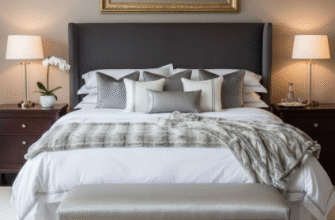
The easiest entry point is probably throw pillows—low commitment, high impact, relatively simple to execute even if you’ve never touched a sewing machine. Take a fragment of vintage embroidery, back it with a neutral linen or cotton, add a zipper (or don’t, if you’re feeling rebellious about pillow construction standards), and suddenly your very contemporary gray sectional has a point of visual interest that feels curated rather than catalog-ordered. From there, you can get more ambitious: reupholstering a single chair in a bold vintage fabric while keeping the rest of the room’s furniture neutral, framing textile fragments as wall art, using an antique quilt as a bedspread in a room with otherwise minimal modern furnishings. The contrast is what makes it work—the vintage piece needs breathing room, visual space to stand out against clean lines and restrained color palettes.
I guess what I’m saying is that vintage textiles function best as accents, not themes.
Unless you’re deliberately going for a maximalist, layered look—which some people are, and more power to them—you want to avoid the feeling that you’ve decorated entirely from one particularly successful estate sale. Mix eras, mix textures, let the vintage fabric be in conversation with contemporary materials like concrete, steel, or acrylic. A 1950s barkcloth cushion on a mid-century modern chair makes sense historically, but that same cushion on a minimalist Scandinavian design creates tension, a little visual friction that keeps the eye engaged. You’re not trying to recieve a period-correct museum display; you’re creating a space that feels lived-in, personal, like it’s accumulated objects over time rather than been staged all at once.
Honestly, the hardest part isn’t the design—it’s letting go of the idea that everything needs to match perfectly. Vintage textiles are inherently imperfect, faded in weird places, sometimes stained or mended. And that’s exactly why they work.