I used to think smart home technology meant sacrificing aesthetics for functionality—like you’d end up with a bunch of beige plastic boxes stuck to every wall.
Turns out, that’s not really the case anymore, or at least it doesn’t have to be. The integration of smart technology into interior design has evolved dramatically over the past five or six years, give or take, and the best implementations are the ones you barely notice. I’ve seen homes where voice assistants are hidden in custom cabinetry, where motion sensors are disguised as architectural details, and where lighting systems respond to your mood without a single visible switch breaking the visual plane. The key, according to most interior designers I’ve talked to, is planning the technology infrastructure before you start thinking about paint colors or furniture—which, honestly, feels backwards to how most people approach home renovation, but it makes sense when you consider that running cables and installing sensors is infinitely easier before the drywall goes up.
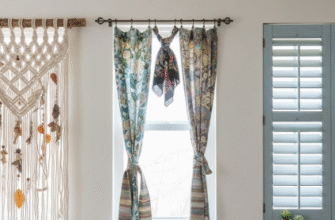
Wait—maybe the most important principle is this: the technology should serve the design, not the other way around. Smart thermostats can be recessed into walls or placed in discreet locations rather than becoming focal points. Motorized window treatments can be controlled via app or voice command while looking exactly like traditional curtains or blinds. Even security cameras have gotten sleeker, with some models designed to resemble decorative objects or light fixtures.
The Invisible Infrastructure That Makes Everything Work Seamlessly
Here’s the thing: the real magic happens behind the scenes, in the network architecture and power planning that most homeowners never think about. A robust mesh WiFi system is non-negotiable if you’re going to run more than a handful of smart devices—I’m talking roughly 15 to 20 connected devices minimum in a typical three-bedroom home, though that number can easily climb to 50 or more if you’re controlling individual light bulbs, outlets, and sensors. Ethernet drops in strategic locations provide stability that wireless connections can’t always match, especially for bandwidth-intensive devices like security cameras or streaming hubs. And then there’s the question of power: USB outlets built into walls, wireless charging pads integrated into nightstands and desks, discreet cable management systems that keep cords from becoming visual clutter.
The designers I admire most approach smart home integration with a kind of minimalist philosophy—they ask what technology actually improves daily life versus what’s just novelty. Voice-controlled lighting makes sense in a bedroom when your hands are full. Automated blinds that adjust based on time of day or sun position can reduce energy costs and protect furniture from UV damage. Smart locks eliminate the fumbling-for-keys moment at the front door, which sounds trivial until you’re carrying groceries and trying to wrangle a toddler.
But not everything needs to be smart, and that’s a lesson I’ve learned the hard way.
I guess what I’m saying is that successful integration requires restraint—choosing technology that solves actual problems rather than creating new ones. A smart refrigerator with a touchscreen might seem impressive, but if it distracts from a carefully curated kitchen aesthetic or becomes obsolete in three years while your cabinetry lasts decades, it’s probably not the right choice. Instead, consider hidden under-cabinet lighting controlled by motion sensors, or a discreet charging station built into a kitchen island. The technology that ages best is the kind that’s modular and replaceable—systems where you can swap out a smart bulb or upgrade a hub without ripping out infrastructure. This means sticking to open standards when possible, avoiding proprietary ecosystems that lock you into a single manufacturer, and working with electricians and AV specialists who understand both the technical and aesthetic requirements of modern homes. The best smart home tech, in my experience, is the stuff you forget is there until you need it—the lights that automatically dim when you start a movie, the thermostat that learns your schedule without you programming it, the door that locks itself when you leave and knows to stay unlocked when you’re gardening in the backyard.
Balancing Aesthetic Cohesion With Functional Technology Needs
Color and material choices matter more than you’d think when it comes to integrating technology. Smart switches and outlets are now available in a range of finishes—brushed brass, matte black, oil-rubbed bronze—that can match your hardware and fixtures rather than defaulting to builder-grade white plastic. Control panels can be wall-mounted in the same finish as your light switch plates, creating visual consistency. Even the industrial look of exposed conduit can work in certain design contexts—loft spaces, modern industrial aesthetics—where the infrastructure becomes part of the design language rather than something to hide.
Honestly, the emotional experience of living in a smart home done right is what convinces most people it’s worth the investment. There’s a subtle satisfaction in walking into a dark house and having the lights gradually illuminate along your path, or in having your favorite music start playing at a reasonable volume when you enter the kitchen in the morning. These small moments of frictionless living add up over time, creating an environment that feels responsive without feeling intrusive—a home that anticipates your needs without demanding constant attention or interaction, which is essentially what good design has always done, just with different tools than our parents had access to.