I used to think mixing thrift store finds with designer pieces was something only stylists could pull off.
Turns out, the whole high-low thing isn’t about having an eye for hidden gems or knowing which vintage lamp will somehow make your $3,000 sofa look better—it’s about understanding proportion, texture, and honestly, just not caring too much about rules. I’ve watched interior designers drop a $15 flea market mirror into a room full of custom furniture, and the mix works because they’re not trying to hide the secondhand piece or make it “match.” They’re letting it be exactly what it is: something with history, wear, imperfection. The contrast is the point. A hand-me-down wooden chair with chipped paint next to a sleek marble console creates tension, and that tension—wait, maybe I’m overthinking this—but that tension is what makes a space feel collected rather than catalog-ordered. You start seeing rooms as conversations between objects, not matching sets.
Here’s the thing: high-end design has always borrowed from the past. Restoration Hardware built an empire on making new stuff look old. But when you bring in an actual vintage piece, you’re skipping the artificial aging process and getting straight to the soul of it.
The Texture Trick That Makes Cheap Look Expensive (Or At Least Intentional)
Mixing textures is where secondhand items earn their place in upscale interiors—rough against smooth, matte against glossy, worn against pristine. I remember walking into a design showroom in Brooklyn, maybe three years ago, and they’d placed a beat-up leather ottoman, the kind you’d find at an estate sale for $40, right next to this insanely polished brass floor lamp that probably cost more than my rent. The leather was cracked, the stitching loose in places, but next to that lamp it looked like it belonged in a museum. The designer told me—and I’m paraphrasing because my memory’s fuzzy—that luxury materials need something humble nearby or they start looking like they’re trying too hard. She used the word “grounding,” which felt a bit precious at the time, but I get it now. A velvet sofa needs a scratched-up wooden side table. A minimalist kitchen needs a dented copper pot hanging on the wall. Without that contrast, everything just floats in this weird, sterile space where nothing has a story.
Anyway, the trick isn’t about hiding imperfections—it’s about displaying them like they’re features.
You can take a chipped ceramic vase from Goodwill, fill it with expensive eucalyptus from the florist, and place it on a marble countertop, and suddenly the chip isn’t damage—it’s character. I guess what I’m saying is that high-end design has become so polished, so perfectley curated, that imperfection has become the ultimate luxury. People are tired of rooms that look like nobody lives in them. They want evidence of life, of time passing, of things being used and loved and slightly broken. Secondhand finds give you that automatically. A mid-century dresser with scratches on the top, a faded kilim rug, a set of mismatched dining chairs—these things signal that you’re not trying to impress anyone, which, ironically, is extremely impressive. The best interiors I’ve seen feel like they evolved over decades, even if they were put together in a weekend. You’re layering eras, mixing price points, and refusing to let everything be too precious. A $5,000 sectional can handle sitting next to a $20 side table. In fact, it probably needs to.
Why Designers Are Obsessed With The Hunt (And You Should Be Too, I Guess)
Professional designers spend hours digging through vintage shops, estate sales, and online marketplaces looking for that one piece that’ll make a room feel less formulaic. It’s not just about saving money—though that’s a nice side effect—it’s about finding something that can’t be replicated, something that adds an element of surprise. I’ve heard designers say that clients initially resist secondhand pieces because they associate them with “used” or “old,” but once they see how a single vintage item transforms a space, they’re hooked. The hunt becomes part of the process, part of the story you tell about the room.
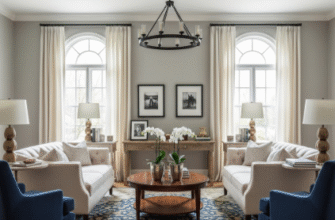
Here’s where it gets interesting: the imperfections in secondhand pieces—the fading, the wear, the slight wobble—they all work as counterpoints to the smoothness of new luxury items. A brand-new Italian leather chair is beautiful, but it’s also kind of intimidating. Add a threadbare Persian rug underneath, and suddenly the room exhales. The rug says, “Relax, we’re not trying that hard.” And maybe that’s the real secret—mixing high and low isn’t about achieving perfection, it’s about avoiding it. You’re aiming for a space that feels lived-in, collected, a little rough around the edges. The scratched brass candlestick next to the designer lamp. The thrifted artwork in the custom frame. The vintage glassware on the new marble bar cart. None of it matches, but somehow it all belongs. I think that’s what people mean when they talk about “curated” spaces—they’re not matchy-matchy, they’re deliberately mismatched in a way that feels cohesive.
Honestly, I’m still figuring this out myself, but every time I see someone confidently place a $10 garage sale find next to something absurdly expensive, I realize the confidence is the whole thing.