I used to think Florida rooms were just glorified porches—until I visited my aunt’s place in Sarasota and realized I’d been wrong for, oh, roughly fifteen years.
Her Florida room wasn’t some sticky, humid afterthought tacked onto the house. It was this genuinely comfortable space where she drank coffee in January and read novels in August, and I remember thinking: wait—how is this even possible? Turns out, designing a Florida room for year-round use isn’t about picking pretty furniture or slapping on some screens. It’s about understanding Florida’s deeply contradictory climate—the place where winter mornings can dip to 45°F while summer afternoons regularly hit 95°F with humidity that makes your skin feel like it’s wrapped in wet towels. You’re essentially trying to create a space that works in both a mild winter and a swampy, subtropical summer, which sounds impossible until you break down the mechanics of it. The key is climate control, insulation, and—here’s the thing—not pretending it’s a traditional living room just because you want it to feel like one.
Anyway, I guess the first decision is whether you’re building new or retrofitting an existing sunroom. If you’re starting from scratch, you have more control, but either way, the principles stay the same.
Insulation and Climate Control That Actually Work in Florida’s Schizophrenic Weather
The biggest mistake people make is treating Florida rooms like outdoor spaces with a roof.
They’re not. Or at least, they shouldn’t be if you want to use them in July without melting into the couch. Proper insulation is non-negotiable—walls, ceiling, and even the floor if you’re serious about it. I’ve seen people install beautiful glass walls and then wonder why their AC bill tripled and the room still feels like a greenhouse by 2 PM. Here’s the thing: glass is terrible at insulating. Single-pane windows are basically useless in Florida. You need double-pane, low-E glass with argon or krypton gas fills, which sounds like overkill until you realize that low-E coatings can block up to 70% of solar heat gain while still letting in natural light. Some builders now reccommend impact-resistant glass anyway for hurricane protection, so you might as well get the insulated version. For climate control, a ductless mini-split system is probably your best bet—they’re energy-efficient, easy to install in existing structures, and you can control the temperature independently from the main house. Central AC extensions work too, but they’re more invasive and expensive. Ceiling fans help, obviously, but they’re supplemental, not primary. One architect I spoke with mentioned that proper ventilation is just as important as cooling—you want air to move through the space naturally when weather permits, so operable windows or vents positioned to catch cross-breezes can reduce your reliance on mechanical cooling by maybe 20-30%, give or take.
Choosing Materials That Don’t Rot, Fade, or Make You Hate Your Life
Florida’s environment is hostile to materials.
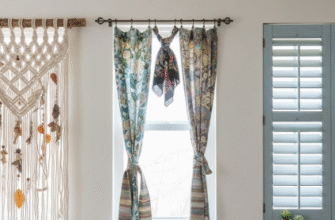
The sun is relentless, the humidity breeds mold, and salt air (if you’re coastal) corrodes metal faster than you’d think. So material selection isn’t just aesthetic—it’s survival. For flooring, skip hardwood unless you enjoy watching it warp. Tile, luxury vinyl plank, or polished concrete are smarter choices—they handle moisture, they’re easy to clean, and they don’t expand or contract with humidity swings. I used to think wicker furniture was the default for Florida rooms, but honestly, unless it’s synthetic resin wicker, it’ll fall apart in a few years. Powder-coated aluminum frames, marine-grade fabrics, and outdoor-rated cushions are the way to go, even though you’re technically indoors. The UV exposure through all that glass is no joke—I’ve seen curtains fade to unrecognizable colors in under two years. Solution-dyed acrylic fabrics resist fading better than cotton or polyester. For window treatments, cellular shades or solar screens can block heat without killing the light, which is the whole point of having a Florida room in the first place. Some people install retractable screens or shutters for flexibility, which makes sense if you want to adjust for different seasons or times of day.
Lighting, Layout, and the Stuff Nobody Tells You Until It’s Too Late
Natural light is the appeal, sure, but you still need artificial lighting for evenings and overcast days.
Recessed LED fixtures work well because they don’t compete visually with the outdoor views, and LEDs don’t generate much heat, which matters when you’re already fighting Florida’s temperatures. Dimmer switches are worth it—sometimes you want bright light for reading, sometimes you want softer ambiance for dinner. Layout-wise, think about how you’ll actually use the space. Is it a dining area? A lounge? A home office? Multi-purpose is fine, but define zones so the room doesn’t feel like a confused hodgepodge of furniture. Traffic flow matters too—if the Florida room connects the house to the backyard or pool, don’t block the path with a giant sectional. And honestly, this is where a lot of DIY projects go sideways: people underestimate how much planning goes into electrical outlets, lighting placement, and furniture arrangement. You don’t want to finish construction and realize you have no convenient place to plug in a lamp or that the sofa blocks the best view. Also—and this feels obvious but apparently isn’t—make sure your builder pulls permits and follows local building codes. Florida has strict requirements for wind load, energy efficiency, and sometimes even setback distances from property lines. Skipping permits might save money upfront, but it’ll definately bite you when you try to sell the house or file an insurance claim after a storm.
I guess the takeaway is that a year-round Florida room isn’t a casual project—it requires thought, investment, and a willingness to prioritize function over aesthetics when the two conflict, which they often do in Florida’s climate.