I used to think butler pantries were just fancy closets for rich people who couldn’t be bothered to walk ten extra feet to their kitchens.
Turns out, there’s actually something to them—especially if you’ve ever hosted a dinner party where you’re simultaneously trying to plate dessert, hide dirty serving dishes, and pretend you’re not sweating through your shirt because someone just asked where the coffee is. A well-designed butler pantry isn’t about showing off (okay, maybe a little). It’s about creating a buffer zone between the chaos of cooking and the polished performance of entertaining. The best ones I’ve seen function less like storage spaces and more like backstage areas at a theater, where you can prep, pivot, and ocasionally panic without an audience. They handle the mess so your main kitchen doesn’t have to. And honestly, once you’ve experienced the luxury of having a dedicated spot to stash half-empty wine bottles and questionable cheese plates, it’s hard to go back. The key is designing one that actually works for how you entertain, not just how you think you should entertain.
Here’s the thing: counter space is everything, and most people don’t plan for enough of it. You need at least six feet of continuous countertop—maybe eight if you’re serious about this—because you’ll be using it for more than you expect. I’m talking about cooling racks for appetizers, a staging area for dinner plates, space to mix drinks without blocking whoever’s refilling the ice bucket. One designer I spoke with said she always includes at least one section of counter at bar height specifically for drink prep, which sounds fussy until you realize how much more comfortable it is to shake a cocktail when you’re not hunched over. The material matters too, though people get weird about this. Quartz is practical and forgiving. Marble looks gorgeous but will definately stain if you’re the kind of person who sloshes red wine (guilty). Butcher block feels warm and lived-in, but requires more maintenance than I personally have patience for on a Tuesday night.
The Appliance Equation You Actually Need to Solve Before Construction Starts
Wait—maybe I should’ve led with this, but the appliances you choose will dictate your entire layout, so decide on them early or prepare to hate yourself later. A second dishwasher is non-negotiable if you entertain more than twice a month; I’ve seen people try to make do with one and they always end up with a sink full of wine glasses at midnight, looking defeated. An undercounter wine fridge (not a wine cooler, there’s a difference in temperature consistency) should hold at least 46 bottles if you’re investing in one at all. Some people swear by a separate ice maker, which seemed excessive to me until I hosted Thanksgiving and realized I’d spent a genuinely embarrassing amount of time refilling ice trays like some kind of 1950s housewife. A small sink—just 15 to 18 inches—is useful for rinsing without trekking back to the main kitchen. And if you have the electrical capacity, a warming drawer will change your life, or at least your ability to serve hot food without timing everything down to the second.
Storage That Doesn’t Make You Play Tetris Every Time You Need a Platter
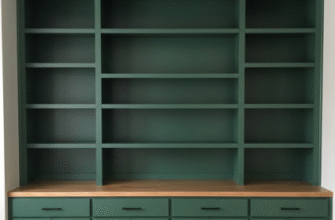
I guess what frustrates me most about badly designed pantries is the storage—specifically, the way people treat it as an afterthought and then wonder why they can’t find anything. You need dedicated space for serving pieces, and it needs to be organized by size and frequency of use, not just crammed wherever it fits. Vertical dividers for trays and platters are essential; stacking them is a nightmare that ends with broken dishes and regret. Upper cabinets should be shallow—no more than 12 inches deep—so you can actually see what’s in there without excavating. Lower cabinets can go deeper (24 inches) and should include at least two drawers wide enough for utensils and linens. One trick that works surprisingly well: glass-front cabinets on at least one wall, which forces you to keep things tidy but also makes it easier to locate that one specific serving bowl when you’re in a hurry.
Lighting Choices That Won’t Make You Look Like You’re Hosting Dinner in a Basement
Lighting is where people consistently drop the ball, and I’m not sure why because it’s not even that complicated.
You need three types: task lighting under the upper cabinets (LED strips are fine, just make sure they’re dimmable), ambient lighting from a central fixture or recessed cans, and accent lighting if you’ve got open shelving or glass cabinets you want to highlight. The mistake is thinking you can get away with one overhead light, which will cast shadows exactly where you’re trying to work and make everything feel like a cave. Aim for around 50 lumens per square foot for task areas, maybe 30 for ambient. Warm white (2700-3000K) feels more inviting than cool white, which can make food look unappetizing and your guests look vaguely unwell. Also—and this is weirdly important—install the switches near both entry points so you’re not fumbling in the dark with an armload of dishes.
The Flow Between Kitchen and Dining Room That Everyone Forgets to Plan
Anyway, the whole point of a butler pantry collapses if the traffic flow doesn’t make sense, and you’d be surprised how many expensive renovations ignore this completely. The pantry should sit between your main kitchen and dining area, obviously, but the doorways matter more than you think. You need at least 36 inches of clearance, preferably 42, so two people can pass without doing that awkward shuffle-dance. Pocket doors or wide cased openings work better than traditional swing doors, which inevitably end up propped open with a wine case anyway. If you’re working with an open-concept space, a half-wall or strategically placed cabinetry can create the separation without making things feel closed off. The goal is to be able to move smoothly from cooking to serving to cleanup without backtracking or carrying things through the main entertaining space where everyone’s watching you like you’re performing surgery.