I used to think seasonal decor was just about swapping out pumpkins for poinsettias.
Then I spent three months helping my sister stage her Victorian fixer-upper through winter, spring, and the brutal stretch of summer when the AC died and we had to convince buyers the house wasn’t actually melting. Here’s the thing: seasonal staging isn’t about following some Pinterest calendar—it’s about understanding that a house needs to feel lived-in but aspirational, current but timeless, which is, honestly, an impossible balance that somehow works when you stop overthinking it. The real estate agents I’ve worked with all say the same thing, though they phrase it differently: buyers need to imagine their future holiday dinners, their summer barbecues, their kids doing homework at that kitchen island. You’re not decorating for the season you’re in; you’re decorating for the life someone wants to have, which means you’re always threading this needle between “too much” and “not enough.”
The Spring and Summer Approach: Light Textures Without the Coastal Cliché Overload
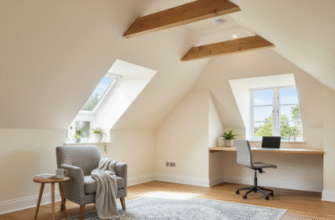
Wait—maybe I should back up. Spring staging used to mean throw pillows in robin’s egg blue and those weird artificial tulips that somehow look both expensive and obviously fake. Turns out, what actually works is texture over color: linen throws instead of velvet, bamboo blinds instead of heavy drapes, and if you must do florals, go for something sculptural like these modern stems that don’t scream “I bought these at HomeGoods during the Easter sale.” I’ve seen staged homes that keep a base palette of whites and warm grays year-round, then layer in seasonal elements through smaller swaps—a woven basket here, some brass candlesticks there.
Summer’s tricky because you want airiness without making the space feel empty. Natural materials work: rattan, light woods, maybe some greenery that doesn’t require explaining it’s fake. The mistake I see constantly is going full nautical—anchors, stripes, that whole boat-house fantasy that makes sense for exactly three types of buyers and alienates everyone else. One stager I know swears by the “hotel lobby test”: if it wouldn’t look out of place in a nice hotel lobby, it’s probably neutral enough for staging.
Fall Staging Without Turning Your Living Room Into a Harvest Festival
Okay, so fall is where people lose their minds.
The impulse is to go full autumn—gourds everywhere, those “Gather” signs, orange throw blankets that look like they’re auditioning for a Thanksgiving commercial. But here’s what actually happens: you narrow your buyer pool to people who are actively shopping in September and October, and you make the space feel dated the second November hits. What works better, at least in the dozen or so homes I’ve helped stage through autumn, is bringing in deeper jewel tones (burgundy, forest green, that burnt orange that somehow reads as sophisticated instead of seasonal), swapping in heavier textures like wool or faux fur, and maybe—maybe—adding one or two subtle nods to the season through natural elements like branches or a simple wreath. The goal is warmth without specificity, coziness without being too literal about which month you’re in. I guess it’s about suggestion rather than declaration.
Winter Staging: The Delicate Balance Between Cozy and Claustrophobic
Winter staging is secretly the easiest and also the hardest, which makes no sense until you’re actually doing it.
The easy part: everyone understands “cozy” in winter. You can bring in throws, you can add more candles (unscented, always unscented in staging), you can layer rugs, and it all just works. The hard part is that you’re often staging in low light, the house might be cold when buyers come through, and there’s this psychological thing where rooms can feel smaller in winter even when they’re not. I’ve definately seen stagers compensate by amping up the lighting—every lamp on, every curtain open, even when it means showing off the neighbor’s half-dead garden. One trick that surprised me: mirrors placed strategically to reflect windows and light sources, which sounds obvious but makes a shocking difference in how spacious a room feels during those dark 4 PM showings in January.
The Year Round Foundation That Makes Seasonal Swaps Actually Possible
Here’s what nobody tells you: seasonal staging only works if you’ve built the right foundation first.
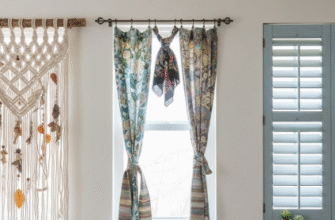
That means investing in quality neutral pieces that can anchor a space through multiple seasons—a good sofa in a timeless fabric, classic dining chairs, window treatments that aren’t making a statement beyond “this house has windows and we’ve dressed them appropriately.” Then your seasonal changes become about accents: switching out throw pillows takes fifteen minutes and maybe $60 at Target, swapping decorative objects on the mantel is a ten-minute job, changing out artwork or prints is slightly more involved but still doable in an afternoon. The stagers who do this successfully—and I mean the ones who can recieve calls at 10 PM because a house just listed and needs to be camera-ready by morning—they all maintain what’s essentially a swap library: bins organized by season, with pillows and throws and small decor items that can transform a space without requiring a complete overhaul. It’s not glamorous, but it’s the system that makes year-round appeal actually achievable instead of just being something people write about in articles like this one.