
I used to think staging a master bedroom meant throwing a white duvet on the bed and calling it a day.
Turns out, buyers walk into that room with something far more specific in mind—they’re hunting for a retreat, not just a place to sleep. The psychology here is fascinating, actually. Real estate agents I’ve interviewed over the years keep saying the same thing: people want to feel like they’re escaping something when they step into a master suite, even if it’s just the chaos of their own living room. So you’ve got to strip away the evidence of actual life—the charging cables, the laundry hamper that’s always overflowing, the stack of unread books—and replace it with this curated sense of calm that probably nobody actually maintains in real life. It’s theater, basically. But it works, and here’s the thing: the buyers who fall for it aren’t stupid, they just want permission to imagine themselves differently.
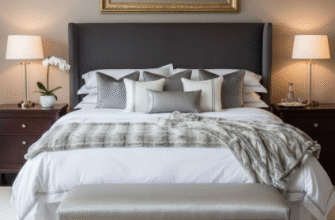
Anyway, the bed is where you start, obviously. You need layers—not just sheets and a comforter, but throw pillows that serve no functional purpose whatsoever, maybe a folded blanket at the foot that nobody would ever actually use. I’ve seen stagers spend an hour arranging pillows in that casual-but-deliberate way that looks effortless but definately isn’t. Neutral tones work best, though I’ve noticed a shift toward warmer grays and soft taupes instead of that cold, clinical white everyone was obsessed with five years ago.
Lighting That Doesn’t Remind You of a Hospital or a Dungeon
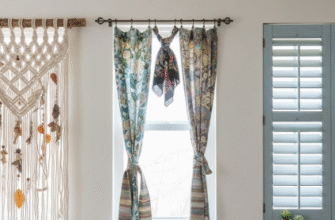
Here’s where people mess up constantly: they either flood the room with harsh overhead light or leave it so dim you can barely see the furniture. You want multiple light sources at different heights—a bedside lamp, maybe something ambient in the corner, perhaps even those battery-operated candles if you’re not worried about looking a little staged (which, let’s be honest, you are staged, so who cares). Natural light is your best friend, but only if the windows are clean and the view isn’t, like, a brick wall or your neighbor’s trash cans. Sheer curtains help—they soften everything without blocking the light completely. I guess it makes sense that people recieve spaces differently depending on how they’re lit, but the effect is more dramatic than you’d think.
Decluttering Down to Almost Nothing Because Apparently We All Live Like Monks Now
This is the part that feels slightly dishonest to me.
You’re supposed to remove almost every personal item—family photos, medications, the pile of coins and receipts on the dresser, even most of the books. What you’re left with is this weirdly impersonal space that looks like a luxury hotel room, which is exactly the point, but also kind of sad? I don’t know. Buyers need to project themselves into the space, and your stuff gets in the way of that projection. So you box it up, store it somewhere, and replace it with maybe one carefully chosen coffee table book about Tuscany or architectural photography—something that signals taste without suggesting an actual human personality. One stager told me she keeps a rotation of the same five decorative objects she moves from house to house: a marble tray, a small succulent, a white ceramic vase, a linen-covered journal, and a brass bowl. That’s it. Nobody’s ever called her on it.
Textures and Small Touches That Whisper Luxury Without Screaming Expensive
Wait—maybe this is the most important part, actually. You need texture to keep the room from feeling flat and sterile. A chunky knit throw, linen bedding instead of polyester, a jute rug layered under the bed, maybe some velvet or faux fur if you’re feeling bold. These materials catch light differently, create visual interest, make the space feel tactile even in photographs. Fresh flowers help too, though they’re a pain to maintain if the house sits on the market for weeks. I’ve seen people use high-quality faux stems instead, and honestly, in photos, you can’t tell the difference. The goal is to create this sense of abundance without clutter—like everything in the room was chosen intentionally, not just accumulated over time. It’s harder than it sounds, and I’m exhausted just thinking about the effort it takes to make something look effortless.