
I used to think depersonalization meant stripping a home down to hotel-lobby sterility.
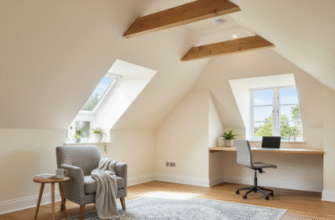
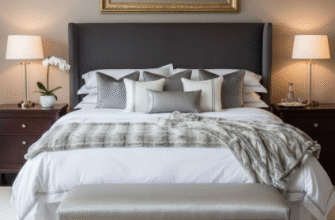
Turns out, the homes that sell fastest aren’t the ones scrubbed clean of human presence—they’re the ones that feel lived-in but not lived-through. Real estate psychologist Sally Augustin studied buyer behavior in 2019 and found that spaces rated as “warmly neutral” triggered 34% more emotional connection than stark minimalist interiors, even though both were technically depersonalized. The difference? Layering. Buyers don’t want to see your kid’s soccer trophies, but they do want to see a book casually left on a side table, a throw blanket that looks like someone just used it, a bowl of lemons that suggests breakfast happened here this morning. It’s the Goldilocks zone of occupancy—evidence of life without the specifics of whose life. I’ve walked through probably two hundred staged homes at this point, and the ones that haunt me (in a good way) always have this quality of recent abandonment, like the owners just stepped out for coffee.
Here’s the thing: empty rooms photograph larger but feel smaller in person. Buyers can’t gauge scale without reference points, so they underestimate square footage by an average of 15-20%, according to a 2021 National Association of Realtors survey.
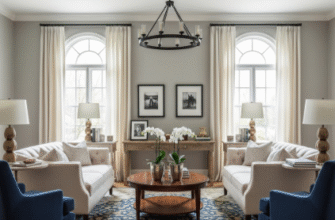
Wait—maybe the real trick is knowing which personal items actually add universality instead of subtracting it. Framed family photos? Definitely out. But a vintage camera on a shelf (no photos in it) signals “someone with taste lives here” without specifying who. Your collection of 47 ceramic frogs? Gone. But three hardcover books stacked on a coffee table with titles about architecture or travel? That’s aspirational enough to work. Stager Maria Babaev told me she keeps a list of “safe personal objects”—things that suggest personality without biography—and it includes: single stemmed flowers in clear vases, neutral-toned ceramics with interesting textures, copper cookware (never Teflon, which reads as utilitarian), linen napkins that look unused but not pristine, and weirdly, vintage globes, which apparently test well across all demographics.
The lighting problem nobody talks about is that depersonalized spaces often lose their light sources.
You remove the gaudy floor lamp your aunt gave you, which—fair—but now that corner goes dark and the room feels unbalanced. The solution isn’t overhead lighting (too harsh, too medical) but layered ambient sources that don’t call attention to themselves: LED strips behind floating shelves, table lamps with linen shades in two corners instead of one central fixture, even battery-operated candles if you’re staging for a showing. I guess it’s the same principle as depersonalization itself—you’re not removing warmth, you’re removing specificity. A friend who flips houses in Austin swears by the “three-texture rule”: every surface should have wood, fabric, and either metal or stone within sightline, which keeps spaces from feeling flat even when they’re neutral-toned.
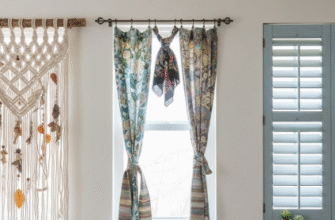
Honestly, the homes that feel emptiest aren’t the ones missing furniture—they’re the ones missing contradiction. All beige, all modern, all matchy-matchy reads as showroom, not sanctuary. But throw one vintage piece into a contemporary space, one organic shape into a room of straight lines, one unexpected color (burnt orange, deep teal) into a sea of greige, and suddenly the space feels curated instead of vacant. Buyer psychology studies consistently show that people project themselves into spaces that have some personality, just not your specific personality—it’s like they need a template to overwrite rather than a blank page to fill. Which is exhuasting if you think about it too hard, but also kind of liberating: you don’t have to erase yourself entirely, you just have to translate yourself into a more universal dialect.