I used to think bright colors in interior design were just about aesthetics.
Then I spent three weeks in Port-au-Prince, staying in a century-old gingerbread house where every wall screamed a different shade of turquoise, mango orange, or that particular electric pink that somehow only exists in Caribbean paint stores. The owner, an elderly woman named Madame Désir, explained to me over strong coffee that each color carried meaning—not in some mystical sense, but in the practical language of survival and joy. Turquoise warded off heat, she said, though I suspect it was more about the psychological cooling effect than any actual temperature drop. The oranges and reds came from natural pigments, clay and annatto seeds, ground down and mixed with lime. She showed me her grandmother’s mortar and pestle, still stained rust-red from decades of pigment grinding. Honestly, I’d never considered that color choices in Haitian homes weren’t arbitrary—they were rooted in material availability, climate adaptation, and a defiant refusal to let poverty dictate drabness.
The Vodou Flags That Became Wall Art Before Anyone Called It That
Here’s the thing about Haitian folk art: it infiltrated interior spaces long before design magazines discovered it. Vodou flags, or drapo Vodou, are these intricate sequined and beaded banners that represent different lwa (spirits), and they’ve hung in homes as both spiritual objects and decorative elements for generations. I’ve seen them in rural homes where electricity is unreliable, and the flags catch candlelight in this hypnotic, shimmering way that makes the whole room feel alive. The craftsmanship is absurd—thousands of sequins hand-stitched onto satin, depicting Erzulie Dantor or Ogou Feray with more precision than most contemporary art I’ve encountered.
Wait—maybe I should mention that these aren’t mass-produced. Each flag takes weeks, sometimes months, and the artists (mostly women in ateliers around Croix-des-Bouquets and Port-au-Prince) work without patterns, just memory and improvisation. The sequins come from wherever they can source them—leftover carnival costumes, imported craft supplies, reclaimed materials. Turns out, scarcity breeds incredible creativity.
What strikes me is how these pieces transitioned from ceremonial objects to recognized art without losing their original function. A flag might hang in a peristyle (Vodou temple) one day and in a collector’s home in Miami the next, and both contexts feel equally valid. The colors—deep purples for Erzulie, reds for Ogou, blues for Damballa—carry over into broader Haitian interior palettes, creating this continuity between the sacred and the everyday that Western design traditions tend to compartmentalize.
Metal Sculpture and the Unexpected Life of Oil Drums
I guess it makes sense that a country under embargo for much of the 20th century would get creative with materials.
Haitian metal sculpture, which now decorates walls in homes across the diaspora and beyond, started with oil drums. Specifically, the drums were flattened, cut, and hammered into intricate designs—mermaids, birds, lwa symbols, tree-of-life motifs. The artist Georges Liautaud pioneered this technique in the 1950s in Croix-des-Bouquets, and the tradition exploded from there. I visited a workshop where a sculptor named Jean-Claude (everyone there seemed to be named Jean-Something) was hammering a three-foot Erzulie out of a rusted drum, and the noise was defeaning, just relentless metallic percussion that somehow resolved into delicate, lace-like patterns. He told me he could recieve custom orders from abroad, but he preferred making what “wanted to come out” of each drum.
The sculptures hang on exterior walls, interior walls, sometimes suspended from ceilings, and they create these dancing shadows when light hits them. The colors—or lack thereof—contrast sharply with the painted walls, but there’s this coherence to it, like the shiny metal reflects and amplifies the surrounding brightness. Some artists paint their sculptures now, adding that signature Haitian color palette back in, but the purists prefer raw, oxidized metal.
Why Every Surface Becomes a Canvas and Nobody Thinks It’s Weird
Haitian interior design doesn’t really distinguish between “art” and “decoration” the way Western design does. A tap-tap (those wildly painted buses) uses the same visual language as a living room wall. I’ve seen kitchens where the cabinet doors were painted with proverbs in Creole, surrounded by floral motifs and geometric patterns that reference both African textile designs and Catholic iconography. The layering is intense—nothing sits in isolation.
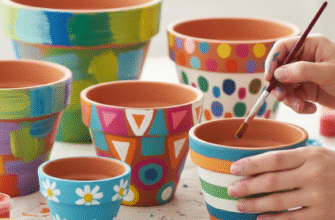
Anyway, the bright colors aren’t just aesthetic defiance (though that’s part of it). In tropical climates, intense sunlight washes out pale colors, making them look dingy and sad. Bold hues—cobalt blue, chrome yellow, scarlet—hold up better under that relentless sun. There’s practical wisdom embedded in what might look like maximalism to outsiders. Plus, paint is cheaper than wallpaper or imported finishes, and if you’re going to paint, why not make it joyful?
The folk art tradition extends to furniture too—carved wooden chairs with brightly painted backs, tables inlaid with mosaic patterns made from broken tiles (nothing goes to waste), mirrors framed in repurposed metal or painted wood. I used to think this aesthetic was about making do with limited resources, and that’s partially true, but it’s also a deliberate choice, a cultural preference for abundance and visual richness over minimalism.
Turns out, the spaces we inhabit shape us, and maybe Haitian interior design understands that better than most—that color and art aren’t luxuries but necessities, especially when everything else feels uncertain.