I used to think farmhouse design was just about throwing some mason jars on a shelf and calling it a day.
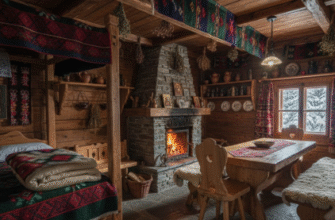
Turns out, the whole thing is way more layered than that—like, genuinely layered in a way that makes you reconsider what “rustic” even means. When I first started paying attention to interiors (probably around 2018, maybe earlier?), I kept seeing these spaces that felt lived-in but also impossibly curated, warm but not cluttered, old but not dated. The walls were often white or cream, sure, but they had this texture to them—shiplap, beadboard, sometimes just old plaster left exposed because why cover up something with that much character? And the wood. God, the wood everywhere. Reclaimed barn doors, ceiling beams that looked like they’d been holding up structures for a century or more, wide-plank flooring with gaps and knots that would make a modern minimalist absolutely lose their mind. It’s not perfectoin that makes farmhouse interiors work; it’s the acceptance of imperfection, the way a knot in the wood or a slightly uneven wall becomes part of the story instead of something to hide.
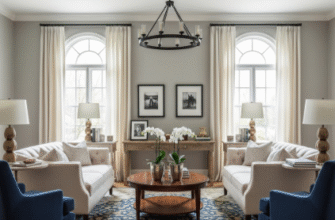
Here’s the thing about lighting fixtures in these spaces—they’re doing a lot of heavy lifting. You walk into a farmhouse-style room and there’s usually something hanging overhead that feels both industrial and delicate at once. Maybe it’s a wrought-iron chandelier with exposed bulbs, or one of those pulley-system pendants that looks like it was salvaged from a 1920s factory. I’ve seen spaces where the lighting is basically the only “designed” element, and everything else just falls into place around it. The metals are almost always matte black or aged bronze, nothing shiny or chrome-heavy, because shine doesn’t really fit the aesthetic we’re going for here.
The Furniture That Feels Like It Has a Past Even When It Doesn’t
Farmhouse furniture is weird because it’s supposed to look old.
I mean, not weird in a bad way, but strange in how deliberate it all is. You’ve got dining tables that are deliberately distressed, chairs with paint purposely chipped off in just the right spots, sideboards that are “weathered” in factories designed to make things look weathered. And yet—wait, maybe this is the point—it works because the intention isn’t to fool anyone into thinking your IKEA table is actually from 1890. It’s more about channeling a feeling, that sense of durability and history and function-first design that actual old farmhouse furniture had. The best pieces are oversized and sturdy, built from thick wood with visible joinery, sometimes with metal accents like corner brackets or iron handles. Upholstery, when it appears, tends toward linen or cotton in neutral tones—grays, beiges, whites that are more cream than stark. Nothing too precious. Nothing you’d worry about a kid spilling juice on, which I guess makes sense given the whole family-farm origin story of the style.
Textiles and Layers That Make a Room Feel Inhabited Instead of Staged
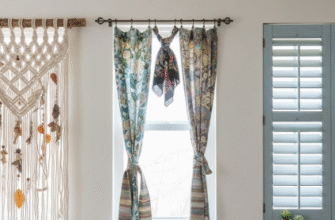
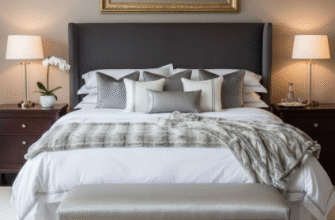
Honestly, this is where farmhouse design either works or falls completely flat. You need textiles—like, a lot of them—but they can’t feel matchy-matchy or overly coordinated. Throw blankets in chunky knits or quilts with subtle patterns (gingham, ticking stripes, maybe a faded floral if you’re feeling brave). Linen curtains that puddle slightly on the floor because they’re just a bit too long, which sounds like a mistake but reads as relaxed. Area rugs in jute or wool, usually layered over wood floors, adding warmth without screaming for attention. I’ve noticed that the best farmhouse interiors have this thing where every textile looks like it could have been inherited or thrifted, even if it was bought new last week. There’s a randomness to the layering—a striped pillow next to a solid one next to something with a subtle check pattern—that feels accidental but definately isn’t. The colors stay muted: whites, creams, soft grays, occasionally a dusty blue or sage green. Nothing too saturated. Nothing that would disrupt the overall sense of calm.
Open Shelving and the Art of Displaying Everyday Objects Like They Matter
Open shelving is everywhere in farmhouse kitchens, and it’s both practical and completely impractical at the same time.
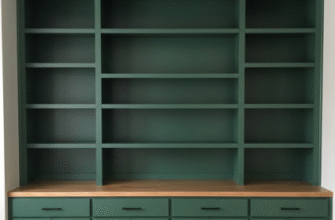
Practical because you can actually see and reach your dishes without opening a cabinet. Impractical because now your dishes are on permanent display and you have to care about how they look. The farmhouse approach to this is to embrace mismatched collections—white ironstone platters next to vintage glass jars, wooden cutting boards leaning against the wall, maybe a few ceramic bowls in varying sizes. Everything is functional but arranged with enough thought that it feels intentional without being fussy. The shelves themselves are usually thick wood, either stained dark or left natural, mounted on black iron brackets that echo the lighting fixtures elsewhere in the room. I used to wonder why anyone would choose open shelving when cabinets exist, but I think I get it now—it’s about making the everyday stuff visible, treating it like it has value just by virtue of being used and useful.
Architectural Details That Anchor the Entire Aesthetic Without Trying Too Hard
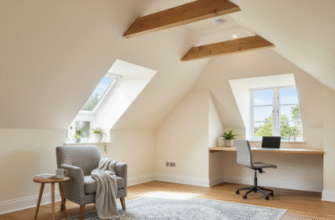
The bones of a farmhouse interior matter more than any single piece of decor. Exposed ceiling beams, even if they’re purely decorative, add visual weight and a sense of structure. Shiplap or tongue-and-groove paneling on walls creates texture and a subtle horizontal rhythm that makes rooms feel wider. Farmhouse sinks—those deep, apron-front basins usually in white porcelain or fireclay—anchor kitchens with a kind of old-world practicality that’s hard to replicate with modern undermount sinks. Wide doorways, sometimes with sliding barn doors instead of traditional hinged ones, create flow between spaces while adding that agricultural-building reference the style is named for. And windows—big ones, usually with simple trim and maybe divided lights if you’re leaning more traditional—let in tons of natural light, which is crucial because farmhouse interiors rely on that bright, airy feeling to balance out all the heavy wood and dark metals. Anyway, it’s the combination of these elements, not any single one, that makes a space feel authentically farmhouse rather than just vaguely rustic or country-adjacent.