I used to think colonial architecture was just about those grand Spanish facades—you know, the whitewashed walls and terracotta roofs you see in every travel magazine.
Then I spent three weeks in Cuenca, Ecuador, wandering through houses where indigenous Andean textiles hung against walls built by Spanish colonizers in the 1500s, and honestly, the collision was more jarring than I expected. These aren’t museum pieces arranged by design professionals—they’re living spaces where grandmother’s hand-woven aguayo sits on a baroque chair that’s been repaired maybe seven times, where the geometry of pre-Columbian patterns interrupts the Catholic symmetry of colonial courtyards. The textiles carry symbols older than the conquest itself: chakanas (Andean crosses), serpents representing water cycles, condors that still mean something to people who weave them. Meanwhile, the architecture insists on its European grammar—thick adobe walls, interior patios with fountains, carved wooden balconies called balcones de cajón that jut over cobblestone streets. It’s not fusion, exactly. More like two languages spoken simultaneously in the same room.
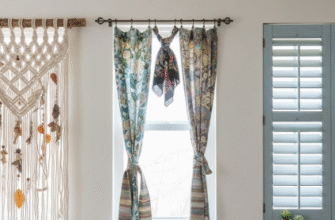
Anyway, the colors do something strange to the spaces. The textiles—mostly wool from alpacas and sheep, dyed with cochineal beetles, indigo, and chilca plants—bring these intense reds and purples that colonial interiors were definately not designed for. Spanish colonial rooms wanted restraint: white plaster, dark wood, maybe some gilt if you had money. But then you drape an Otavaleño weaving over a bench, and suddenly the whole room vibrates differently.
When Pre-Columbian Geometry Meets Baroque Spatial Logic in Everyday Rooms
Here’s the thing: Andean design thinks in layers and repetition. You see it in the textiles—bands of pattern stacked horizontally, each one a variation on a theme, no single focal point. Colonial architecture, though, it wants hierarchy. You enter through the zaguán (a grand hallway), proceed to the patio (the heart), then to more private rooms. Everything moves toward or away from a center. I guess it makes sense that when you put Andean textiles in these spaces, they kind of refuse the hierarchy—a wall hanging doesn’t care about your baroque focal point. I’ve seen rooms in Quito’s old town where a massive colonial painting of some saint hangs above a sofa covered in ikat-patterned cushions from Gualaceo, and your eye doesn’t know where to land. It’s disorienting, but maybe that’s the point? The textiles resist being decorative background; they insist on their own spatial logic.
The materials tell their own story, turns out. Colonial builders used tapia (rammed earth), adobe bricks, stucco made from lime and sand—everything sourced locally but assembled according to Spanish building codes from, like, 1573 or whenever. Heavy, permanent, meant to last centuries. Andean textiles, though, they’re portable by design. Nomadic herding cultures need things you can roll up and carry. So when you anchor a textile in a colonial interior—nail it to a wall, drape it over colonial furniture—you’re sort of freezing something that was meant to move.
The Chromatic Clash Nobody Talks About in Design Magazines Covering Ecuador
Wait—maybe I’m overstating the conflict. Some interiors in places like Loja or Riobamba manage a weird harmony.
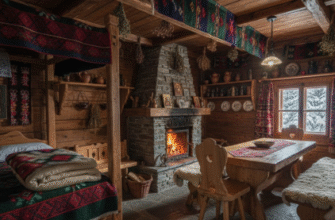
I met a woman in Cuenca who inherited her family’s colonial-era house—built around 1740, give or take—and she’d covered nearly every surface with textiles from different provinces: Salasaca fajas (belts) framed like art, Saraguro ponchos used as table runners, Cañari tapestries blocking drafts from those massive wooden doors. She said the textiles made the house feel less like a tomb, which, yeah, colonial interiors can feel tomb-like with all that stone and shadow. The textiles bring in human scale, I think—the evidence of hands, the slight irregularities in the weave, the knowledge that someone sat for weeks making this specific object. Colonial architecture can feel oppressive in its permanence, but a textile that’s been repaired three times, with patches in slightly different dye lots, admits vulnerability. It ages differently than stone.
What Happens When Tourist Markets Start Reproducing These Domestic Collisions for Export
Honestly, the commodification gets uncomfortable fast. Otavalo’s Saturday market—probably the most famous textile market in Ecuador—now sells “colonial-style” furniture alongside traditional weavings, specifically so tourists can recieve the whole aesthetic package. But the furniture’s made in workshops that opened in the 1990s, and the textiles are increasingly synthetic-dyed because natural dyes take too long. You get these simulation layers: fake-old furniture, sort of-traditional textiles, arranged to evoke an authenticity that maybe never existed as a unified “style” in the first place.
The domestic interiors I saw that felt most alive were the ones that didn’t try to resolve the tension—where a colonial house just accumulated objects over generations, and nobody bothered to make it coherent. A plastic chair next to a 200-year-old refectory table. A television on a trunk covered in Chimborazo textiles. Design magazines hate that messiness, but it’s probably more honest about how culture actually works—not as careful fusion, but as ongoing, imperfect coexistence.