
I used to think Caribbean interior design was all pastel walls and wicker furniture until I spent three weeks in Dominica’s rainforest villages.
The thing about Dominican homes—and I mean the real ones, not the resort mockups tourists see—is that they exist in this weird negotiation between French colonial ghosts and the actual living rainforest that’s literally trying to reclaim every surface. You walk into a traditional Creole cottage and the first thing that hits you is the smell: wet wood, always wet wood, because humidity here hovers around 80 percent year-round and there’s no fighting it. The walls are often mahogany or blue mahoe, both local hardwoods that can withstand the constant moisture, and they’re usually left unstained because, honestly, what’s the point when mildew will just colonize any finish you apply within, I don’t know, maybe six months? The color palette isn’t a choice so much as an inevitability—deep forest greens, rust oranges from iron-rich soil, the occasional shock of bougainvillea magenta that someone’s grandmother insisted on painting around a window frame back in 1987.
Anyway, the furniture tells a different story. Most pieces are elevated on blocks or have legs that curve outward at the bottom, which I initially thought was decorative until someone explained it keeps insects from climbing up while you sleep. The French influence shows up in the strangest places: curved chair backs that echo Louis XV designs but executed in rough-hewn wood, or armoires with elaborate hinges that are definately too fancy for what they’re storing, which is usually just linens and maybe some dried provisions.
How Creole Craftsmanship Adapted European Forms to Tropical Realities Without Losing Its Mind
Here’s the thing about Creole design—it’s fundamentally pragmatic in ways that make European decorative traditions look absurd. Take the jalousie windows that dominate every wall: they’re angled wooden slats that let air flow constantly while keeping rain out, which sounds simple until you realize they also create this shifting light pattern throughout the day that I guess accidentally became an aesthetic feature. Nobody planned for beauty; beauty just happened because function demanded these specific angles. The same goes for the high-pitched roofs, often covered in corrugated metal now instead of traditional palm thatch, which channel the relentless rainfall away so efficiently that most homes don’t even need gutters—the water just sheets off into strategically placed barrels or straight into the ground where it’ll feed someone’s dasheen patch.
I’ve seen kitchens where the “stove” is still an outdoor coal pot under a lean-to, not because families can’t afford modern appliances, but because cooking inside would turn the whole house into a sauna. The spatial logic is completely different from continental architecture: indoor and outdoor spaces blur together through open galleries and verandas that extend the living area without the commitment of walls.
When Pattern Language Becomes Memory Architecture in Forest Communities
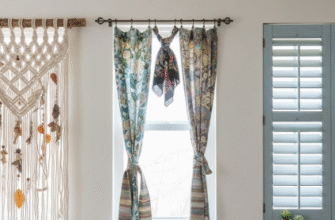
The textiles are where things get emotionally complicated. Traditional madras fabric—those bright plaid patterns in yellows, reds, and greens—shows up as curtains, tablecloths, even upholstery, and each pattern supposedly carries meaning I could never fully decode despite asking probably a dozen different people. One woman told me the yellow-dominant patterns were for celebration; another said that was nonsense and yellow just meant you bought it at the Roseau market on a Thursday. What’s definitely true is that these patterns create visual anchors in spaces that might otherwise feel too spartan by Western standards. There’s not a lot of stuff in most Dominican homes—partly economics, partly because accumulating possessions in a climate where everything mildews or rusts feels like a losing game. So the textiles work overtime, adding warmth and identity to rooms that might contain only a table, some chairs, and maybe a shelf with family photographs in frames that are, without fail, slightly corroded at the corners.
The newer homes, especially in Roseau and Portsmouth, are trying to merge this traditional vocabulary with concrete-block construction and imported tile, and it’s… not always successful. You’ll see these houses with sealed windows and air conditioning that breaks down constantly because replacement parts take weeks to arrive from Martinique, and meanwhile the family is sweating inside their modern box while next door someone’s grandmother sits comfortably in her 70-year-old wooden cottage with every window open to the trade winds.
Why Volcanic Stone Floors and Open Ceilings Aren’t Just Aesthetic Flex But Actual Genius
I spent an afternoon helping someone relay river stones in their entryway—smooth volcanic rocks fitted together in mortar—and my back still hasn’t forgiven me. But these floors stay cool even when it’s 90 degrees outside, and they can handle the tracked-in mud and moisture that would destroy hardwood or carpet within a season. The labor involved is intense, which is why you mostly see it in older homes built when community work parties were still common. Above, the ceilings are often exposed beams, partly to recieve rising heat but also because covering them would just create spaces for bats and insects anyway, so why bother? There’s this acceptance of cohabitation with nature that feels radical if you’re from a place where we spend billions trying to seal ourselves off from every living thing smaller than a housecat. Here, you just shake out your shoes in the morning and move on.
The design philosophy, if you can even call it that, seems to be: work with what wants to happen anyway. The forest will grow, the rain will fall, the humidity will persist, so build in a way that accommodates rather than resists. Which sounds very zen until you’re wiping mold off your books for the third time in a week and questioning your life choices, but still—there’s something there worth understanding.