I used to think curtain tiebacks were just those boring hooks my grandmother had screwed into her dining room wall.
Turns out, the history of window dressings is way more interesting than I gave it credit for—people have been fussing with fabric and rope to control light since roughly the 16th century, give or take a few decades depending on which textile historian you ask. The Victorians went absolutely wild with tassels, cording, and what I can only describe as aggressively ornate passementerie, which is just a fancy French word for decorative trim that makes you feel like you should be drinking tea with your pinky out. But here’s the thing: somewhere between IKEA flat-packs and minimalist Instagram aesthetics, we forgot that windows could have personality. That tassels could be fun. That you could make something with your hands that didn’t come from a big-box store with incomprehensible assembly instructions and leftover screws that serve no apparent purpose. I’ve seen the shift happening slowly—people rediscovering craft not as a quaint hobby but as a genuine form of self-expression, and honestly, it’s about time.
Wait—maybe I should back up. A tieback is basically anything that holds your curtain open so light can come through. Simple enough. But the tassel version adds this weird little flourish that somehow makes a room feel more intentional, more considered.
Why Tassels Work When Everything Else Feels Like Too Much Effort
The thing about DIY tassel tiebacks is they occupy this sweet spot between effort and impact that I find deeply satisfying. You’re not reupholstering furniture or retiling a bathroom—projects that require power tools I don’t own and skills I definately don’t have. You’re working with yarn or embroidery floss, maybe some cord, possibly beads if you’re feeling ambitious. The basic construction involves wrapping fiber around something (your hand, a piece of cardboard, a book if you’re improvising), tying it off at the top, cutting the loops at the bottom, and trimming until it looks intentional rather than like you attacked it with kitchen scissors in poor lighting. I guess it makes sense that this craft has stuck around—it’s tactile, meditative in that way people always claim knitting is but more immediate, and you get results in under an hour. Plus you can make them as subtle or as ridiculous as you want, which feels like a metaphor for something but I’m too tired to figure out what.
The materials matter more than you’d think. Cheap acrylic yarn from a craft store will work, sure, but it tends to look a bit sad and plasticky once it’s hanging there judging you every morning. Cotton has a nice weight and drape. Wool can be gorgeous but might felt together if you live somewhere humid. Silk thread creates these impossibly elegant skinny tassels that look expensive even when they cost roughly four dollars to make.
The Actual Process Is More Forgiving Than Your Middle School Art Teacher
I’ve made probably two dozen of these at this point, and I still don’t follow a pattern exactly. You start by deciding how long you want the finished tassel—usually somewhere between three and six inches for a curtain tieback, though I’ve seen people go bigger for dramatic effect in rooms with high ceilings. Then you wrap your fiber material around something that’s roughly the length you want, maybe thirty or forty times, though honestly I just wrap until it looks like enough. You tie a separate piece of thread tightly around the top—this is what you’ll use to attach it to your tieback cord or rope later—and then you cut through all the loops at the bottom. Now you have something that looks vaguely tassel-like but also kind of like a bad hair day. The next step is where it gets weirdly satisfying: you take another piece of thread and wrap it tightly around the bundle maybe half an inch down from the top tie, creating that classic tassel head shape. Secure it with a knot, trim all the ends to the same length, and suddenly it looks like you knew what you were doing all along.
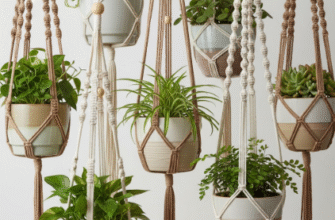
The tieback itself can be as simple as braided cord from a fabric store or as elaborate as macramé if you went down that rabbit hole during the pandemic like the rest of us.
What Nobody Tells You About Installing These Things In Real Life
Here’s what actually happens when you make beautiful tasseled tiebacks and try to use them: your curtains are heavier than you thought, or your walls are plaster and the hooks you bought won’t hold, or you realize you made them two inches too short and now they look stingy and sad. I used to get frustrated by this—the gap between the Pinterest vision and the reality of my actual windows with their awkward proportions and that weird radiator underneath. But honestly, that’s kind of the point. You adjust, you remake, you add more wraps or switch to a thicker cord or just accept that handmade things have character, which is a nice way of saying they’re slightly imperfect and that’s okay. The Victorians understood this, I think—they piled on the ornamentation partly because they could, but also because excess was a form of joy, of saying this matters enough to fuss over. Your tassel tiebacks won’t look like the ones in a design magazine, and they might not even match each other exactly if you made them on different days in different moods, but they’ll be yours, and every time you tie back your curtains to let the morning light in, you’ll touch something you made with your hands, and that’s worth more than I can articulate without sounding embarassingly sentimental.