I used to think Danish interior design was just about throwing a few candles around and calling it hygge.
Turns out, there’s this whole philosophy behind it that’s equal parts pragmatic and obsessive—like, the Danes have spent decades refining the art of making a room feel both minimal and deeply comforting, which is honestly harder than it sounds. The word hygge itself doesn’t translate neatly into English; it’s somewhere between coziness and contentment, but with this undercurrent of intentionality that makes you reconsider every lamp you own. I’ve seen American homes try to replicate it with Instagram-worthy setups—sheepskin rugs, muted gray walls, those impossibly simple wooden chairs—but they miss the point if they’re just chasing an aesthetic. The Danish approach isn’t about looking cozy; it’s about engineering an environment where you actually want to sit still for three hours on a winter evening, maybe with a book you’ve been meaning to finish for six months, and not feel like you’re wasting time. It’s functional beauty in the sense that every object has to justify its presence, not through utility alone but through how it makes you feel when you’re tired or anxious or just done with the day.
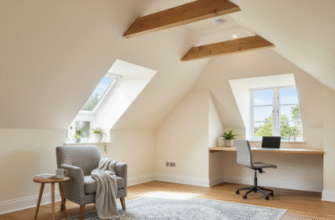
Here’s the thing: hygge became a global buzzword around 2016, give or take, and suddenly everyone was trying to sell you the Danish lifestyle in a $40 coffee table book. The irony is that actual Danish interiors are often pretty austere—white walls, pale wood floors, furniture that looks like it could’ve been designed seventy years ago or last Tuesday. Wait—maybe that’s the genius of it?
The Obsessive Pursuit of Light and Its Absence in Northern Winters
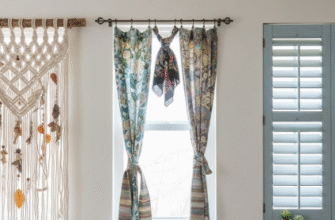
Denmark sits at roughly 56 degrees north latitude, which means winter days are brutally short—like, the sun sets at 3:30 PM in December, and you start to understand why artificial lighting becomes a near-spiritual concern. The Danes compensate with an almost neurotic attention to light sources: pendant lamps with warm, diffused bulbs; candles everywhere, not as decor but as actual light; windows left uncurtained because every photon of daylight is precious. I guess it makes sense that a culture facing months of darkness would develop design principles centered on creating warmth through controlled illumination. You’ll see these fixtures from brands like Louis Poulsen—sculptural, functional, designed to cast light in specific ways that mimic natural glow—and they’re not cheap, but they’re also built to last decades, which fits the whole ethos of buying less but buying better.
Functional Minimalism That Somehow Doesn’t Feel Cold or Sterile
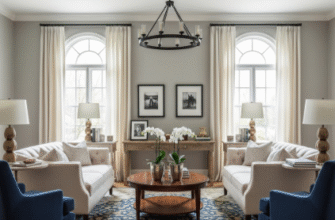
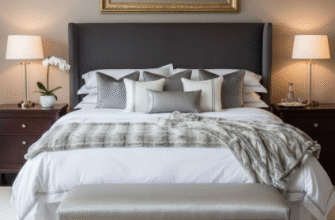
The paradox of Danish design is that it strips away excess without becoming clinical. I’ve walked into Scandinavian homes that had maybe ten pieces of furniture in the entire living space, yet they felt lived-in, even cluttered in a good way—books stacked on the floor, a ceramic mug left on a windowsill, a wool blanket draped over a chair in a way that looked accidental but was definately planned. The furniture itself—think Børge Mogensen, Hans Wegner, Arne Jacobsen—is all about clean lines and natural materials, mostly wood and leather and wool, things that age gracefully instead of just deteriorating. There’s this weird tension between the minimalism and the coziness, and it works because the minimalism isn’t about emptiness; it’s about making space for the things that matter, whether that’s a really good chair or the negative space that lets you breathe.
Anyway, the textures matter more than the colors, usually.
The Unspoken Rules About What Belongs and What Disrupts the Flow
Danes are polite but quietly judgmental about interior choices—I’ve read accounts of visitors being gently corrected for, say, buying a mass-produced IKEA lamp when a secondhand vintage piece would’ve been more appropriate, not because of snobbery but because the vintage lamp has a story and will last longer. The color palette is almost always neutral—whites, grays, soft browns, maybe a muted blue if you’re feeling adventurous—and anything too bright or shiny disrupts the whole vibe. Metals are usually brass or blackened steel, never chrome. Plastic is tolerated only if it’s a design classic, like a Panton chair, and even then you sense people are conflicted about it. The goal is harmony, but not the boring kind; it’s more like every object in the room is in conversation with the others, and if one thing is shouting too loud, the whole composition falls apart. I used to think this was overthinking it, but then I tried rearranging my own living room with these principles in mind—fewer things, better things, everything earning its place—and honestly, the difference in how the space felt was unsettling, in a good way, like I’d been living in low-level visual chaos for years without realizing it.
The Danes might be onto something, or maybe we’re all just exhausted and desperate for spaces that don’t demand anything from us except that we exist in them quietly. Either way, the hygge thing works, when it’s done right.