I used to think coastal design was just about throwing some seashells on a coffee table and calling it a day.
Turns out, there’s this whole language of textures and light that makes a room feel like it’s breathing salt air—even if you’re landlocked in Ohio. The best coastal interiors I’ve seen don’t scream “beach house” with anchors and navy stripes everywhere; they whisper it through weathered wood that looks like it’s been kissed by decades of sun, through linen curtains that move like they’re catching an invisible breeze, through colors so pale they might’ve been bleached by the ocean itself. It’s about capturing that specific kind of relaxation you feel when you’re barefoot on sand, when time slows down and your shoulders finally drop from your ears. I guess what I’m saying is that coastal design works because it’s rooted in a physical memory most of us share—that moment when you first smell the sea and something in your chest unclenches. The trick is translating that sensory experience into furniture and paint chips, which sounds impossible until you start paying attention to how light behaves near water, how it bounces and softens and makes everything look like it’s glowing from within.
Here’s the thing: color is where most people get it wrong. They go too literal with bright turquoise and sunny yellow, when real coastal light is actually much more subtle—think fog, not postcards. The palette should feel like you’re looking at the beach through a soft filter, maybe around 7 AM before the crowds arrive.
Layering Textures That Feel Lived-In and Sun-Faded Without Looking Shabby
Wait—maybe I should back up and explain why texture matters so much in coastal spaces.
In a beach environment, everything gets touched by the elements: wood grays out, fabrics soften and fray at the edges, metal develops this beautiful patina. You want to replicate that gentle aging process without making your house look like a shipwreck. I’ve noticed that designers who nail this use at least five different textures in a single room—chunky jute rugs, smooth driftwood, nubby linen pillows, cool terracotta, maybe some rattan. The surfaces shouldn’t match; they should feel like they’ve been collected over time, the way you’d gather interesting stones on a beach walk. Natural fibers are your best friend here because they have inherent irregularity, little imperfections that catch light differently. Sisal rugs show wear in a charming way, unlike synthetic materials that just look dirty. Linen wrinkles beautifully instead of looking messy. There’s something about mixing rough and smooth textures that mimics the coastal landscape itself—the contrast between jagged rocks and polished sea glass, between coarse sand and silky water.
Honestly, I get a little tired of the “whitewashed everything” trend.
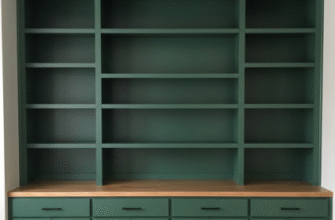
It can feel sterile if you’re not careful, like a hotel lobby instead of a home. The solution is warming up those pale neutrals with wood tones that have real character—not orange-y pine, but pieces with visible grain and knots, stuff that looks like it might’ve washed ashore. Driftwood-style finishes work because they’re gray-brown rather than stark white, and they have this organic quality that keeps a room from feeling too precious. I’ve seen people use reclaimed scaffolding planks for shelving, old boat oars as wall art, even vintage wooden ladders as towel racks. The point is to bring in elements that have texture and history, that ground all that airiness with something solid. And here’s where it gets interesting: coastal design actually borrows a lot from Scandinavian minimalism—that same emphasis on natural materials, that same light-obsessed approach to space. Both styles understand that less is more, that empty space itself can be a design element when it’s done intentionally.
Furniture Choices That Prioritize Comfort Over Formality Because Who Wants Stiff Seating
Nobody sits properly at the beach, right? You sprawl, you curl up, you drag chairs closer to conversations.
Your coastal living room should support that same casual attitude—deep sofas with loose slipcovers you can actually wash, ottomans big enough to put your feet on, maybe some floor cushions for overflow guests. I used to think slipcovered furniture looked sloppy, but the wrinkles are actually the point; they signal that this is a space where perfection isn’t required. Choose pieces that are low and wide rather than tall and narrow, because that horizontal emphasis mimics the flat expanse of the ocean horizon. And for the love of god, make sure everything is durable—coastal spaces take a beating from sandy feet, wet swimsuits, sunscreen-sticky hands. Performance fabrics have gotten so good lately that you can’t even tell they’re synthetic; they feel like linen but repel stains like magic. Wicker and rattan furniture adds that breezy tropical feeling without trying too hard, especially if it’s left in natural tones rather than painted white.
The secret ingredient is actually lighting, which sounds obvious but bear with me.
Maximizing Natural Light While Creating Pools of Warm Illumination for Evening Ambiance
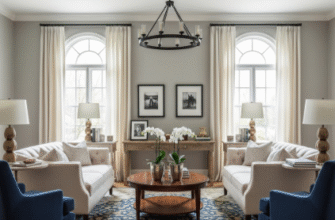
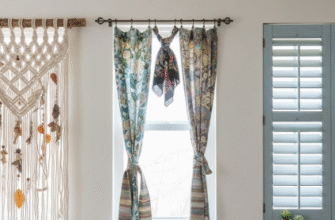
Coastal homes are all about chasing sunlight—the way it streams through windows in the morning, the way it reflects off water (or in this case, off glossy surfaces and mirrors). You want to remove any obstacles between your windows and the room: no heavy drapes, no dark furniture blocking the flow of light. Sheer curtains or bamboo shades let you control privacy without sacrificing brightness. Mirrors are the oldest trick in the book, but they work—place them opposite windows to double the light, or use antiqued mirror tiles as a backsplash to add subtle shimmer. At night, though, harsh overhead lighting kills the vibe. Instead, layer multiple light sources at different heights: table lamps with linen shades, wall sconces that cast a warm glow, maybe some LED candles that flicker realistically. The goal is to create pockets of light that feel intimate and cozy, like a bonfire on the beach after sunset. I’ve noticed that coastal spaces often incorporate lanterns—sometimes vintage brass ones, sometimes simple wire cages—because they reference maritime history while serving a practical purpose.
Bringing the Outside In Through Organic Elements That Don’t Feel Like Museum Displays
This is where coastal design can veer into kitsch territory if you’re not careful.
A bowl of shells is fine; a shelf full of carefully arranged starfish starts to feel like a theme park. The best approach I’ve seen is to treat natural elements like you would fresh flowers—as living, changing parts of the decor rather than permanent fixtures. A glass jar filled with sea glass you’ve actually collected, a piece of coral that’s genuinely interesting rather than perfectly shaped, some dried grasses in a simple vase. Plants are crucial too, but choose varieties that actually grow near coasts: succulents, air plants, maybe a fiddle-leaf fig if you’re feeling ambitious. Driftwood sculptures can be stunning if they’re genuine pieces with weird shapes, not the manufactured stuff from craft stores. I guess the rule is this: if it looks like you bought it specifically to prove you like the ocean, it’s probably too much. The organic elements should feel incidental, like happy accidents you stumbled upon. And don’t underestimate the power of scent—a subtle sea salt candle or some eucalyptus branches can trick your brain into thinking you’re closer to water than you actually are, which is kind of the whole point of coastal design anyway.