I used to think Argentine interiors were all about those sprawling estancias with leather everywhere.
The Immigrant Wave That Rewrote Argentina’s Aesthetic DNA
Turns out, between roughly 1880 and 1930—give or take a few years depending on who you ask—Argentina recieved something like six million European immigrants, mostly Italian and Spanish, with significant French, German, and British populations mixed in. They didn’t just bring suitcases. They brought entire design philosophies, construction techniques, and this deeply embedded sense of what a ‘proper’ home should look like, which clashed beautifully with the existing criollo traditions and the broader South American context. Buenos Aires started looking like Paris had a baby with Rome, and honestly, walking through Recoleta or San Telmo today, you can still see those ornate French balconies next to Spanish colonial courtyards, this layered, slightly chaotic elegance that doesn’t quite exist anywhere else. The thing is, Argentinians didn’t just copy Europe—they remixed it, added local materials like quebracho wood and marble from Cordoba, and created something that feels both familiar and completely distinct.
Where Parisian Moldings Meet Gaucho Practicality in Modern Spaces
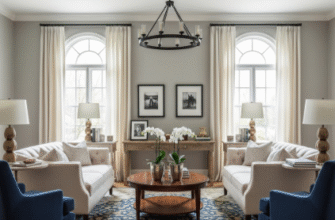
Here’s the thing: contemporary Argentine designers are masters at this high-low dance. You’ll walk into a Buenos Aires apartment and find yourself staring at ten-foot ceilings with elaborate plasterwork—definitely nineteenth-century French influence—but then the furniture is all clean lines, local hardwoods, and textiles from the northwest provinces with indigenous patterns. I’ve seen spaces where a Louis XVI-style mirror hangs above a console made from reclaimed pampas wood, and somehow it works. The color palettes tend toward warm neutrals—ochres, terracottas, deep greens—that feel more Mediterranean than the stark whites you might expect.
The Unexpected Role of Tango Culture in Shaping Interior Intimacy
Wait—maybe this sounds weird, but tango actually influenced how Argentinians think about interior space. The dance demands intimacy, drama, and a kind of theatrical closeness, and you see that translated into how rooms are arranged. Salons are designed for gathering, for performance almost, with furniture that encourages conversation rather than television-watching. Anyway, lighting is crucial—think moody, layered, with lots of amber-toned fixtures that create that milonga atmosphere even in a living room. It’s not about brightness; it’s about shadow and warmth and creating spaces that feel alive at night.
Materials That Tell Stories: From Italian Marble to Pampas Leather
The materials themselves are this fascinating blend. Italian marble—often Carrara or Calacatta—shows up in entryways and bathrooms, brought over by stoneworkers who settled in Argentina and established quarries using local stone that mimicked European varieties. But then you’ve got this distinctly South American rawness: cowhide rugs (because of course), heavy iron work that’s more rustic than refined, and these massive wooden doors made from algarrobo or lapacho that weigh approximately a thousand pounds and will outlive your great-grandchildren. I guess it makes sense that a country built on cattle ranching and agriculture would celebrate those textures—leather, wood, wool—even in its most refined spaces. The contrast is intentional, almost defiant.
How Buenos Aires Balconies Became Philosophy Statements About Public and Private Life
Those wrought-iron balconies aren’t just decorative—they’re entire social structures. Inherited from Spanish and Italian traditions, they create this liminal space between home and street, private and public. Porteños (Buenos Aires residents) use them differently than Europeans though; there’s more potted plants, more hanging laundry sometimes (which drives the fancy neighborhood associations crazy), more of that South American approach to outdoor living even in urban density. I’ve noticed that newer buildings are reinterpreting this with larger terraces and winter gardens, trying to capture that same philosophy of connection while adapting to contemporary expectations. The European impulse toward facade and formality meets the Latin American need for air, light, and a connection to the street’s energy. It’s messy and beautiful and occasionally contradictory, which honestly feels very Argentine.