I used to think flex rooms were just fancy names for guest bedrooms nobody wanted to commit to decorating.
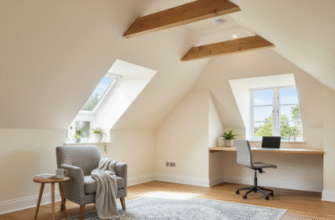
Turns out, the whole concept is about something way more interesting—creating spaces that shift identities depending on what your life actually needs at any given moment. My neighbor Sarah has one of these rooms, and over the past three years I’ve watched it morph from a yoga studio to a remote office during lockdown, then briefly into a crafting zone, and now it’s somehow both a reading nook and a place where her teenager practices guitar without driving everyone insane. The key, she told me once while we were hauling a folding desk out of there, wasn’t buying expensive transforming furniture or anything you’d see in a design magazine. It was about understanding that flexibility means accepting a certain amount of visual chaos—and planning for it.
Here’s the thing: most people approach multi-purpose rooms by trying to make everything hidden or modular, which sounds great until you’re constantly moving furniture around like you’re solving a spatial puzzle. I’ve seen friends burn out on that approach within weeks. The smarter move is designing zones that can coexist, even if they look a bit odd together at first glance.
Start With the Flooring and Lighting Because Everything Else Follows From There
Nobody talks about this enough, but your floor is doing more work than you think.
If you’re planning a room that might be a home gym one day and a guest bedroom another, you need flooring that can handle both sweat and the psychological comfort of not feeling like you’re sleeping in a gymnasium. I’d go with luxury vinyl plank or cork—both handle moisture reasonably well, feel decent underfoot, and don’t broadcast “this is definitely a workout space” the way rubber mats do. Carpet is tempting for the cozy factor, but trust me, you’ll regret it the first time you try to roll a desk chair across it or do anything involving weights. Lighting is the other half of this equation, and it’s where people mess up by installing one sad overhead fixture and calling it done. You want layers: recessed ceiling lights on dimmers, task lighting for whatever work happens in there, and maybe some warmer accent lamps for when the room needs to feel less like an office and more like a place humans actually want to inhabit. Smart bulbs help—you can shift color temperature depending on whether you’re trying to focus or unwind, which sounds gimmicky until you’ve experienced how much a cooler blue-white light makes your brain think “time to work” versus a warmer tone that says “relax, we’re done here.”
Furniture That Doesn’t Scream Its Purpose Is Your Best Friend Here
The mistake I see constantly is people buying things that are too specifically designed.
A desk that looks aggressively like a desk will always make the room feel like an office, even when you’re trying to use it for something else. What works better: a simple table that could be a desk, a crafting surface, or even a dining spot if you shoved it against a wall differently. Storage ottomans are quietly brilliant because they’re seating, footrests, and hiding places for whatever you don’t want visible when the room switches modes. Murphy beds get a lot of hype, but honestly they’re a pain unless you’re really committed—the better compromise is a high-quality sleeper sofa or a daybed that doesn’t look like it’s apologizing for existing. I visited a friend’s flex room last month that had a long credenza along one wall, and it was doing quintuple duty: TV stand, storage for workout gear, display space for books, a surface for her sewing machine, and—when she had guests—a bar setup. One piece of furniture, five functions, and it didn’t look like it was trying too hard.
Vertical Storage Solutions That Don’t Make the Room Feel Like a Warehouse
Walls are underrated real estate.
When floor space needs to serve multiple purposes, you’ve got to think upward—but not in the sad, exposed-shelving way that makes everything look like a storage unit. Closed cabinets mounted at varying heights keep the visual clutter down while giving you places to stash yoga mats, office supplies, craft materials, or whatever else the room needs to hide between identity shifts. I’m partial to pegboard systems in flex rooms because you can reconfigure them as needed—hooks for hanging bikes or guitars, baskets for smaller items, even little shelves that clip on. It looks intentional rather than chaotic, assuming you don’t go overboard with the accessories. Floating shelves work too, but only if you’re disciplined about what goes on them; otherwise they become horizontal surfaces where stuff accumulates and never leaves.
The Psychology of Visual Dividers Without Building Actual Walls Because Commitment Issues Are Valid
Sometimes you need a room to feel like two places at once without the permanence of construction.
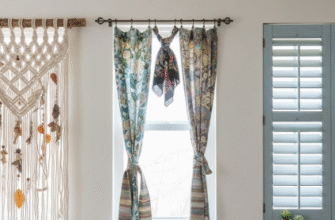
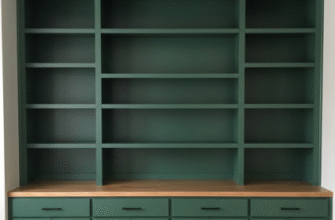
Bookcases perpendicular to walls create separation without blocking light—I’ve seen this work beautifully in a flex space that needed to be both a home office and a play area for a toddler, where a low bookcase defined the boundary but parents could still see over it. Curtains on ceiling tracks are another option that gets overlooked; you can pull them across to section off part of the room when you need privacy for video calls or whatever, then push them aside when you want the space to feel open again. Area rugs do this work too, signaling “this zone is for sitting and reading” versus “this zone is for movement and activity” without requiring any installation. The trick is making the divisions feel natural rather than like you’re trying to cram two seperate rooms into one space that’s protesting the whole arrangement. Anyway, the best flex rooms I’ve encountered are the ones that embrace a little bit of contradiction—they don’t try to be perfect at any one thing, but they’re good enough at several things that the trade-offs feel worth it.