I used to think Swiss chalets were just those tourist-trap things you see on postcards—timber beams, lace curtains, done.
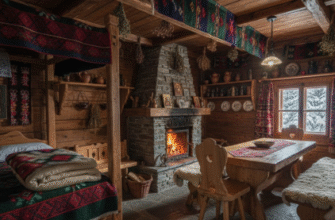
Turns out the whole aesthetic is way more sophisticated than that, rooted in practicality that evolved over, what, maybe 400 years of Alpine living. The traditional chalet emerged from necessity: thick timber walls (usually local pine or larch) for insulation against brutal winters, steeply pitched roofs to shed snow loads that could reach several meters deep, and those iconic wide eaves projecting outward to protect the structure from moisture and avalanches. Inside, you’d find a stubenofen—a massive ceramic tile stove—positioned centrally to radiate heat through multiple rooms, because firewood was precious even when you lived in a forest. The color palette wasn’t a design choice so much as material reality: honey-toned wood, stone grays, the occasional pop of red or blue from woven textiles. People weren’t thinking about aesthetics; they were thinking about survival. But here’s the thing—that pragmatism created an accidental elegance that modern designers keep trying to recieve and replicate.
Anyway, contemporary Swiss chalet interiors maintain that warmth but layer in refinement. You’ll see reclaimed wood paneling (sometimes centuries old) paired with underfloor heating and triple-glazed windows. The furniture tends toward clean Scandinavian lines rather than rustic clutter, though there’s usually one statement piece—a carved wooden bench, maybe, or a vintage sleigh repurposed as a coffee table.
Material Honesty and the Tyranny of Exposed Beams (Just Kidding, Sort of)
Walk into a high-end chalet renovation and you’ll notice the beams are definately load-bearing, not decorative add-ons. Architects preserve original structural timber whenever possible, sometimes sandblasting away decades of grime to reveal the grain. I guess it makes sense—why fake authenticity when you’ve got the real thing? Stone features heavily too: slate floors in entryways (practical for wet boots), granite countertops, river rock accent walls. The interplay between wood and stone creates textural contrast without needing much color. Lighting is tricky, though. Too much and you lose the cozy factor; too little and it feels like a cave. Most designers compromise with a mix: antler chandeliers (yes, still a thing, though now often made from resin), recessed LEDs, and those massive picture windows that frame mountain views and flood spaces with daylight. Natural light does a lot of heavy lifting in these interiors, honestly.
Wait—maybe the most overlooked element is negative space.
Traditional chalets were cluttered by necessity, packed with stored food, tools, textiles. Modern interpretations embrace emptiness, letting architectural features breathe. A single cowhide rug on wide-plank floors. Three pieces of pottery on a mantle, not thirty. This minimalism feels almost Japanese, which is ironic given how geographically and culturally distant these traditions are. But both philosophies share respect for materials and restraint in ornamentation. The sophistication comes from what you don’t add.
Textiles, Fur, and the Complicated Ethics of Alpine Coziness in 2025
Here’s where things get messy—literally and ethically. Swiss chalet warmth traditionally involved sheepskins, wool blankets, fur throws. Contemporary designers face a dilemma: use authentic materials (raising sustainability and animal welfare questions) or substitute synthetics (which feel wrong in a style rooted in natural authenticity). Some opt for vintage or reclaimed furs, arguing it honors the material’s existing sacrifice. Others go full eco-conscious with organic wool, linen, and hemp textiles that mimic the visual weight without the baggage. I’ve seen both approaches work, depending on the client’s values and the room’s overall concept. Throws and cushions add those essential layers of texture—nubby weaves, cable knits, felted wool in charcoal, cream, forest green. It’s tactile comfort, the kind that makes you want to curl up with a book during a snowstorm, which I suppose was always the point.
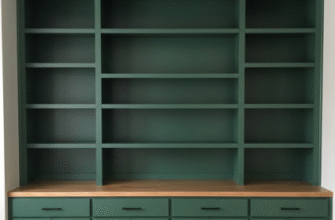
The color palette rarely strays from earth tones, but when it does, it’s purposeful: a burnt orange accent chair, deep teal cabinetry in a kitchen, maybe indigo throw pillows. These pops reference traditional folk textiles without going full kitsch. Metallic accents—brushed brass fixtures, iron hardware—add just enough shine to keep things from feeling too matte and heavy.
Honestly, the genius of Swiss chalet design is that it never tried to be sophisticated. It just was.