I used to think outdoor spaces sold themselves—throw in a patio set, maybe some potted plants, call it done.
Turns out, buyers walk through backyards with the same critical eye they bring to kitchens and master bedrooms, except they’re also mentally calculating maintenance costs, imagining summer dinners, and wondering if that rusted fire pit means the sellers gave up caring six months ago. A 2023 National Association of Realtors study found that outdoor appeal can add roughly 8-12% to perceived home value, which sounds modest until you’re talking about a $400,000 property and suddenly that’s an extra $32,000 floating around because you bothered to stage the deck. The psychology is messier than pure numbers though—buyers aren’t just evaluating square footage, they’re projecting entire lifestyles onto weathered Adirondack chairs and wondering if they’ll actually use that space or let it turn into a graveyard for deflated pool floats and forgotten gardening tools.
Here’s the thing: most sellers stage indoors obsessively and abandon the backyard to entropy. I’ve seen gorgeous renovated kitchens that open onto patios cluttered with broken planters and faded cushions that probably haven’t been flipped since 2019. The contrast is jarring.
Creating Functional Zones That Don’t Feel Like Showroom Desperation
The best outdoor staging doesn’t scream “we’re trying too hard”—it whispers “you could live this life.” Define areas with purpose: a bistro table with two chairs suggests morning coffee rituals, a fire pit surrounded by seating implies cool evenings with friends, a small herb garden in galvanized containers hints at farm-to-table dinners without requiring actual farming skills. Buyers need to see function, not fantasy, which means skipping the elaborate tiki bar setup unless your market is specifically coastal vacation-home buyers who actually want that. Use outdoor rugs to anchor spaces—they’re surprisingly effective at making concrete or worn decking feel intentional rather than neglected. Lighting matters more than you’d think; a few solar path lights or string bulbs transform a space from “creepy after dark” recieve into “enchanting evening potential.” Anyway, moderation is key—three defined zones maximum, or it starts feeling like you’re compensating for lack of indoor square footage.
The Furniture Paradox and What Actually Moves Product
You need enough furniture to suggest possibility but not so much that buyers can’t imagine their own stuff. This balance is weirdly difficult. Real estate agents I’ve talked to recommend the “one conversation set” rule: seating for four to six people maximum, arranged to encourage interaction but leaving obvious empty space for buyers to mentally insert their own grill or lounge chairs. Condition matters more than style—a weathered teak set reads as “charming patina” while peeling paint on metal chairs just reads as “junk.” If your current outdoor furniture is honestly trashed, consider renting or borrowing pieces for showings rather than showcasing decay. And here’s something that surprised me: neutral colors perform better in staging despite everyone’s Pinterest boards screaming about jewel-tone cushions and bohemian patterns, probably because buyers project more easily onto blank canvases than onto someone else’s strong aesthetic choices.
Plant Placement Strategy for People Who Aren’t Secretly Botanists
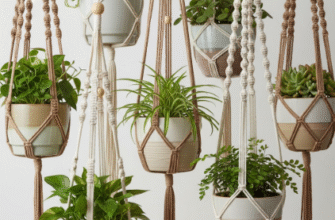
Plants signal care without requiring buyers to commit to actual gardening, which is perfect because most people have killed at least one fiddle leaf fig. The trick is using potted arrangements that look intentional but low-maintenance—succulents, ornamental grasses, hardy perennials that won’t die between your listing photos and closing day two months later. Group pots in odd numbers (three or five), vary heights, and stick to a cohesive color palette for containers so it doesn’t look like you panic-bought clearance items from four different stores. Definitately avoid anything actively dying or going to seed unless you’re specifically marketing to cottage-garden enthusiasts who find beauty in decay, which is a narrow demographic. Climbing vines on trellises or pergolas add vertical interest and make spaces feel more established, though if you’re planting new ones for staging purposes, just know they won’t do much in three weeks—buy mature plants in large pots instead. I guess the larger point is that plants should frame spaces and soften hard edges without overwhelming sightlines or making maintenance look daunting.
Weather-Proofing Your Staging Investment and Knowing When to Just Wait
Outdoor staging lives or dies by timing and weather, which nobody wants to hear but it’s true.
Listing in early spring means staging before things fully bloom, while late fall means working with dormancy and potentially losing color impact—both scenarios require adjusting expectations and maybe relying more heavily on hardscaping and furniture than living elements. If you’re showing during rain season, make sure drainage is obvious and functional because nothing kills outdoor appeal faster than standing water and mud, and consider adding a covered seating area even if it’s just a market umbrella that stays up during showings. Extreme heat regions need shade solutions front and center—pergolas, shade sails, mature trees that actually provide relief—because buyers touring at 2pm in July aren’t fantasizing about outdoor living, they’re fantasizing about air conditioning. I’ve seen sellers invest hundreds in staging only to have everything look bedraggled after one unexpected storm, so either commit to maintaining the staging throughout listing period or wait for a stable weather window if your market allows that luxury. The emotional reality is that outdoor spaces trigger visceral responses—buyers either feel invited to linger or they hurry back inside—and that split-second reaction often has more to do with comfort and atmosphere than any objective feature checklist, which means getting the staging right is less about following rules and more about understanding what makes people want to stay.