I used to think minimalism meant cold, sterile spaces until I stepped into a Vilnius apartment last spring.
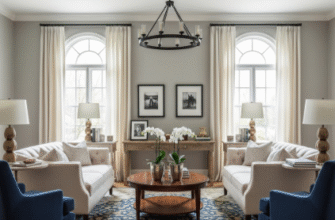
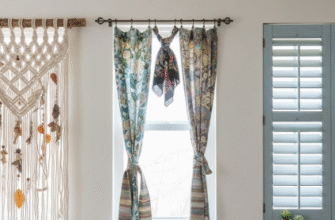
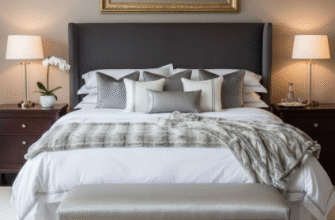
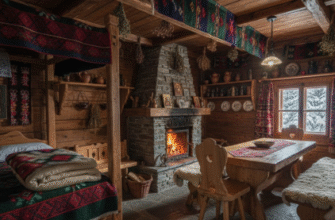
Lithuanian interior design doesn’t shout—it whispers, and honestly, that’s what makes it so damn compelling. The approach combines centuries of Baltic pragmatism with this almost obsessive attention to natural materials, creating spaces that feel alive without being cluttered. Wood dominates everywhere—pine, oak, birch—not because it’s trendy but because Lithuania’s forests have shaped domestic life for, what, roughly 800 years or so. You’ll see handwoven textiles draped over furniture, linen curtains filtering harsh northern light, and ceramic pieces that look like they were pulled from the earth yesterday. The color palette stays neutral—grays, beiges, soft whites—but it never feels boring because texture does the heavy lifting. Wait—maybe that’s the secret: Baltic design understands that simplicity doesn’t mean absence.
The furniture here tells stories about survival and resourcefulness. During Soviet occupation, Lithuanians couldn’t exactly pop over to IKEA, so they built what they needed from whatever they had. That mentality stuck. Modern Lithuanian designers still favor multipurpose pieces—beds with storage underneath, tables that expand, chairs that fold away—because small apartments in cities like Kaunas and Klaipėda demand efficiency.
Here’s the thing about Lithuanian spatial planning: it’s almost Scandinavian but darker, moodier.
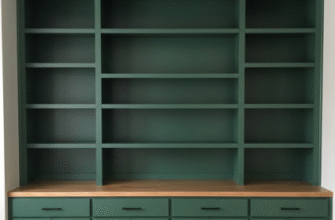
While Swedish design chases brightness to combat winter gloom, Lithuanian interiors embrace the Baltic melancholy a bit more. Rooms often feature one dramatic dark wall—charcoal or deep forest green—paired with lighter elements to create depth rather than fighting the long winters. The layouts prioritize flow and negative space, which I guess makes sense when you consider Lithuania’s landscape: flat, open, uninterrupted. Designers like Indrė Sunklodienė and the folks at YCL Studio have gained international attention recently for spaces that feel simultaneously ancient and contemporary, blending folk motifs with clean lines. You’ll see traditional Lithuanian patterns—geometric crosses, stylized trees—reinterpreted in wallpaper or textiles, connecting modern life to pre-Christian Baltic culture without feeling like a museum.
Natural light obsession and the practicality of small pleasures
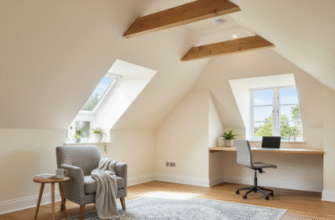
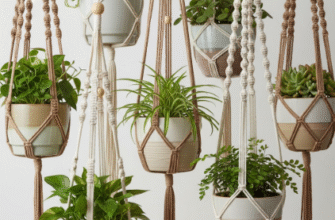
Lithuanians treat natural light like a precious resource because, well, it definately is one. Winter days hover around seven hours of daylight, so interiors get designed to maximize every photon. Large windows, minimal window treatments, strategically placed mirrors—all standard. But there’s also this practical romanticism: every home I visited had a dedicated spot for coffee or tea, usually near a window, often with a single plant. Not an Instagram jungle, just one carefully chosen fern or succulent. It’s functionality wrapped in quiet ritual, which maybe explains why Lithuanian interiors feel comforting rather than austere. The spaces don’t demand perfection from you; they accommodate real life—books piled on side tables, blankets tossed over chairs, shoes by the door.
Sustainability wasn’t a buzzword here; it was baked into the aesthetic long before global trends caught up.
Lithuanian designers prioritize local materials and artisans partly from national pride, partly from economic necessity, and partly because the climate demands durability. You won’t find much plastic or synthetic fabric—instead, wool, leather, solid wood, stone. Companies like Woodendot and Emko collaborate with Baltic craftspeople to produce furniture that ships flat but lasts decades, marrying traditional joinery techniques with contemporary forms. There’s something almost defiant about this approach in our disposable culture, like Baltic simplicity is quietly rejecting planned obsolescence. I’ve noticed younger Lithuanian designers pushing boundaries while respecting core principles—Studio Unltd, for instance, creates lighting fixtures from recycled industrial materials that somehow still feel warm and organic. The functionality remains non-negotiable, but the expression keeps evolving, absorbing influences from Scandinavian hygge, Japanese wabi-sabi, even American mid-century modernism, then filtering it all through that distinctly Lithuanian lens of restrained beauty and practical common sense. Turns out, when you strip away excess and focus on what actually matters—light, texture, space, craft—you don’t need much else.