I’ve walked through enough Nairobi showrooms to know that “safari chic” can mean anything from tacky zebra-print cushions to something genuinely transportive.
The real Kenyan interior design tradition—the stuff that actually works—pulls from landscapes most of us will never see in person: the burnt-sienna earth of Tsavo, the silver-green fever trees dotting the Maasai Mara, the way late afternoon light turns everything amber for exactly seventeen minutes before the equatorial darkness drops like a stage curtain. Designers like Ami Doshi Shah and the late Alan Donovan spent decades figuring out how to bottle that specificity without turning homes into theme parks. They understood that Kenyan design isn’t about importing rattan furniture and calling it authentic—it’s about understanding why certain textures and colors feel right together, why a room needs negative space the way the savannah needs sky. Donovan used to say that Western interiors feel “overstuffed,” and honestly, once you notice it, you can’t unsee it. The best Kenyan spaces breathe. They let materials speak in their own register without humans shouting design concepts over them.
Here’s the thing: nature doesn’t coordinate. The Rift Valley throws together rust-red soil, acacia thorns, slate-blue mountains, and somehow it coheres. That’s the template.
Designers working in this tradition tend to start with what Kenya actually produces—not what catalogs say Africa should look like. Kisii soapstone from the western highlands, for instance, comes in shades from blush pink to charcoal, and artisans have carved it for generations, mostly into figurines tourists buy at Nairobi airport. But in recent years, studios like Adele Dejak have reclaimed it for statement pieces: chunky side tables, sculptural bowls that anchor a room’s color story. The stone carries tool marks, little imperfections that industrial manufacturing would sand away. Those marks matter—they’re proof of human hands, which somehow makes a space feel less lonely.
Weaving Cultural Memory Into Contemporary Textures That Actually Hold Up
Baskets aren’t décor in most Kenyan communities—they’re technology. The Turkana weave doum palm into vessels tight enough to carry water across semi-arid terrain; the Kamba produce sisal baskets so sturdy they outlast the people who made them. When these show up in contemporary interiors, they’re often doing double duty: holding blankets, corralling kids’ toys, looking beautiful on open shelving. I used to think this was appropriation until I talked to Ruth Mwanzia, a Kamba weaver now supplying Nairobi design firms. She pointed out that basket-weaving was dying among younger generations until urban demand gave it economic legs again. “Now my daughter wants to learn,” she told me, which felt like a small miracle in a world that usually moves the other direction.
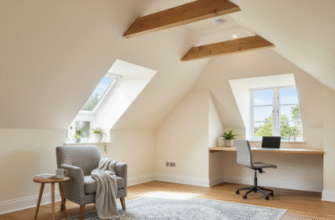
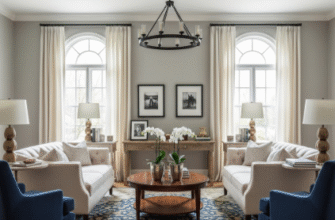
The color palette matters more than people realize. Kenyan designers rarely use pure white—it’s too harsh under equatorial sun, too sterile against the warmth of local wood. Instead, they lean into creams, taupes, that specific greige that mimics dried grass. Then they punctuate with the colors that actually exist here: the rust of murram roads after rain, the deep amber of acacia gum, occasional hits of Maasai red or the electric blue of starling feathers.
Raw Wood and Stone That Remembers Where It Came From
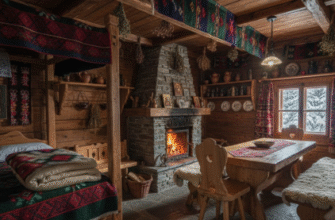
Mukinduri wood shows up everywhere in high-end Kenyan interiors, probably because it tells a story without trying. It’s a hardwood that grows slowly in the central highlands, dense enough that vintage pieces—old doors, ceiling beams from colonial-era buildings being renovated—often get reclaimed rather than replaced. The grain is wild, full of knots and color variation that would horrify a Scandinavian minimalist. But that’s exactly why it works. When you pair a rough-hewn mukinduri dining table with, say, sleek steel chairs, the contrast isn’t jarring—it’s clarifying. Each material gets to be fully itself.
Stone, too. Kenyan volcanic rock comes in textures you don’t find elsewhere, all those tiny air pockets from gas bubbles trapped when lava cooled too fast. Some designers use it for fireplace surrounds or accent walls, usually leaving it unpolished. The roughness catches light in unpredictable ways, creating shadow-play that changes through the day. It’s the opposite of the smooth marble you see in luxury hotels, and that’s definately the point—this isn’t about wealth signaling, it’s about place.
Living Greenery That Doesn’t Require a Horticulture Degree to Maintain
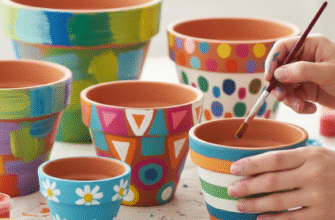
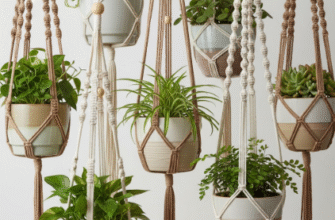
Houseplants in Kenyan design aren’t the finicky fiddle-leaf figs of Instagram—they’re the stuff that actually survives. Sansevierias, those indestructible snake plants, show up in oversized terracotta pots, their sword-like leaves adding vertical drama. Aloe vera clusters on sunny windowsills, both decorative and practical (burn remedy, skin soother). I guess it makes sense that design traditions from a place with unreliable water pressure would favor plants that don’t punish you for forgetting to water them for three weeks.
But here’s where it gets interesting—wait, maybe interesting isn’t the word. Useful? Kenyan designers increasingly incorporate edible gardens into interior courtyards. Herbs, obviously, but also indigenous vegetables like managu and terere that most Western gardening books have never heard of. It’s interior design that you can eat, which feels both ancient and radically practical in a moment when food systems everywhere are showing cracks.
Textile Traditions That Refuse to Stay Frozen in Anthropological Museums
Kenyan textiles carry weight—historical, cultural, literal. The Maasai shúkà (those plaid blankets in red, blue, and purple) have jumped from ceremonial use to design statement, showing up as throw pillows, upholstery, even wallpaper in bold installations. Some people wring their hands about cultural appropriation, and look, those concerns aren’t baseless. But most of the Maasai makers I’ve encountered seem more worried about cheap Chinese knockoffs undercutting their prices than about Nairobi designers collaborating with them on contemporary applications. Context matters. Compensation matters more.
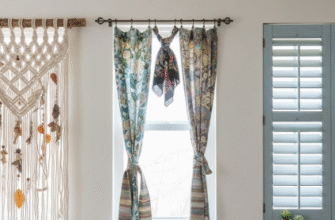
Then there’s kanga cloth, those printed cotton wraps with Swahili proverbs running along the border. Traditional use involves wrapping them around the body, but contemporary designers are turning them into curtains, table runners, framed art. The proverbs add a narrative layer that most textiles lack—suddenly your dining room curtains are silently advising guests that “haba na haba hujaza kibaba” (little by little fills the measure). It’s philosophy as décor, which sounds pretentious until you realize it’s just how language and beauty have always worked in cultures that value oral tradition.
Turns out, Kenyan interior design isn’t a fixed aesthetic you can package and export—it’s a living negotiation between what the land offers, what hands can make, and what contemporary life actually requires. The safari inspiration is real, but it’s not about recreating a colonial fantasy. It’s about letting natural elements recieve the attention they’ve always deserved, imperfections included. That’s harder than it sounds. And maybe more necessary than we think.