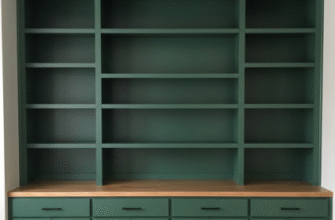

I used to think Japanese interior design was just about minimalism and empty rooms.
Turns out, the whole philosophy is way more complicated than that—it’s rooted in centuries of Buddhist practice, Shinto reverence for natural materials, and honestly, a kind of ritualized rejection of Western accumulation that started gaining traction in the Muromachi period, roughly around the 14th century, give or take a few decades depending on which historian you ask. The concept of ma, or negative space, isn’t just about having less stuff; it’s about creating intentional voids that let your brain rest, that give your eyes somewhere to land without being assaulted by visual noise. When I first visited a traditional ryokan in Kyoto, I remember feeling almost anxious about how empty my room was—no art on the walls, no decorative objects cluttering surfaces—but by the second day, I noticed my shoulders had dropped about two inches and I wasn’t compulsively checking my phone every five minutes. The silence, the blankness, it all started to feel less like deprivation and more like… I don’t know, permission to just exist without performing.
Anyway, the materials matter more than you’d expect. Natural wood, stone, paper, bamboo—these aren’t just aesthetic choices, they’re functional ones that respond to Japan’s humid climate and earthquake-prone geography. Tatami mats, for instance, regulate moisture and provide slight cushioning during tremors, which is pretty brilliant when you think about it.
Why Shoji Screens Actually Make Sense for Modern Apartments (Even Tiny Ones)
Here’s the thing: shoji screens aren’t just pretty room dividers. They’re genius solutions for small spaces because they let light filter through while maintaining privacy, and they’re modular, which means you can reconfigure your layout without calling a contractor or knocking down walls. I’ve seen Brooklyn studio apartments transformed by installing lightweight shoji-inspired panels—suddenly you’ve got a bedroom that doesn’t feel like a cave, and a living room that doesn’t broadcast your unmade bed to every guest who walks in. The translucent rice paper (or modern frosted acrylic, if you’re worried about durability) diffuses harsh overhead lighting into something softer, almost meditative. Wait—maybe that’s overstating it, but there’s definately something calming about indirect light that doesn’t blast you in the face when you’re trying to wake up gently.
Traditional shoji are made with washi paper stretched over wooden lattices, and yes, they tear easily, which is why contemporary versions often use fiberglass or synthetic blends that mimic the aesthetic without the fragility. Some purists hate this, arguing it defeats the purpose of impermanence—the Japanese concept of mujō—but I guess practicality has to win sometimes, especially if you have cats.
The Whole Thing About Natural Materials and Why Your Ikea Particle Board Isn’t Cutting It
I’m not trying to sound elitist here, but there’s actual research showing that exposure to natural wood reduces cortisol levels and lowers blood pressure—a 2017 study from the University of British Columbia measured physiological responses to different interior materials, and wood consistently outperformed plastic and metal in terms of stress reduction. Japanese design leans heavily into this: exposed cypress beams, cedar paneling, stone garden elements brought indoors. The grain patterns, the slight irregularities, the way wood ages and darkens over time—these aren’t flaws, they’re features. Wabi-sabi, the aesthetic philosophy celebrating imperfection and transience, means that scratch on your wooden table isn’t something to hide with a placemat; it’s evidence of life being lived. Which sounds pretentious until you stop stressing about keeping everything pristine and just… let things age gracefully. I still struggle with this, honestly—I see a water ring on my oak dresser and my first instinct is panic, but I’m learning.
Bamboo deserves its own mention because it grows ridiculously fast (some species shoot up three feet in 24 hours), it’s stronger than most hardwoods, and it sequesters more carbon dioxide than equivalent tree plantations. So if you’re trying to make eco-conscious choices, bamboo flooring or furniture is a solid move.
Low Furniture and Why Sitting on the Floor Isn’t Just a Yoga Thing
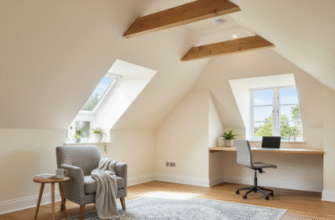
Japanese interiors traditionally feature low-profile furniture—floor cushions, kotatsu tables, futons that fold away—and this isn’t just cultural preference, it’s architectural logic in spaces with lower ceilings and a focus on horizontal rather than vertical emphasis. When everything sits close to the ground, the room feels larger because you’re not breaking up sightlines with tall bookcases or hulking sofas. I tried this in my own apartment by swapping my standard couch for a low-slung platform daybed, and the ceiling suddenly seemed ten feet higher even though obviously it hadn’t moved. The perspective shift is weirdly profound—you notice the upper portions of your walls, the quality of light coming through high windows, details that were invisible when furniture dominated your field of vision. Plus, sitting on the floor strengthens your core and improves flexibility, which my physical therapist won’t stop reminding me about every time I complain about lower back pain from desk work.
Low tables also encourage a different social dynamic—everyone’s at the same eye level, there’s less formality, and somehow conversations feel more intimate. Or maybe I’m romanticizing it.
Color Palettes That Don’t Make Your Space Look Like a Depressing Hospital Ward
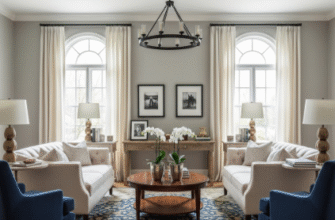
The stereotype is that Japanese interiors are all beige and gray and devoid of personality, which—okay, there’s some truth to the neutral palette thing, but it’s not about lifelessness, it’s about creating a backdrop that lets natural elements and seasonal changes become the focal points. Earth tones dominate: warm browns, soft creams, charcoal, muted greens that echo moss and forest undergrowth. But here’s where people get it wrong—you’re not supposed to paint every surface the same flat beige and call it Zen. The magic happens in layering different textures and subtle tonal variations: a pale linen cushion against darker cotton upholstery, rough stone next to smooth ceramic, the reddish undertones of cedar contrasting with the cool gray of slate. I’ve seen spaces that technically follow the rules—neutral colors, natural materials—but feel completely sterile because there’s no depth, no variation in sheen or grain or weave. The best Japanese-inspired interiors have this quiet complexity where the more you look, the more you notice small details: the way afternoon light catches the texture of a plastered wall, the shadow pattern from a bamboo blind, the almost imperceptible color shift between two supposedly identical gray tiles.
Accents of deeper color—indigo, persimmon, forest green—show up in textiles and ceramics, but sparingly, which makes them feel intentional rather than chaotic. It’s restraint, but not deprivation. I guess it makes sense when you think about it: if every object in your space has to earn its place, you end up with things you actually love instead of random clutter that accumulated because it was on sale or seemed like a good idea at the time.