I still remember the first time I dragged home a hand-woven rug from Morocco, convinced it would transform my living room into something magical.
It didn’t, not immediately anyway. The thing sat rolled up in my closet for three months because I couldn’t figure out where it belonged, and honestly, I was a little intimidated by it. Here’s the thing about textiles from your travels—they carry weight, literally and metaphorically. That Moroccan rug weighed maybe fifteen pounds, but it also carried the memory of haggling in a souk, the smell of mint tea, the feeling of being slightly lost in Marrakech’s medina. I used to think you could just throw these pieces into any room and they’d work their magic automatically, but turns out, incorporating global textiles is more like solving a spatial puzzle where the pieces keep shifting. You need to consider scale, color harmony, existing furniture, and whether your cat will immediately claim it as a scratching post. The process is messier than design blogs admit, and sometimes you’ll get it wrong the first try, or the second.
Wait—maybe I should back up. When I say “global textiles,” I mean the physical souvenirs we haul across continents: ikat pillows from Indonesia, suzani throws from Uzbekistan, kente cloth from Ghana, alpaca blankets from Peru. The stuff that made you stop mid-stride in some market and think, “I need this in my life.”
The Weight of Memory Versus the Weight of Your Suitcase
Before you even get to the incorporation part, there’s the acquisition problem. I’ve seen travelers—myself included—make wildly impractical purchases because something spoke to them in the moment. A friend once shipped a ten-foot tapestry from Turkey, only to realize her apartment had eight-foot ceilings. Another colleague bought so many textiles in India that she had to mail them separately, and the shipping cost more than the items themselves. The emotional pull is real, though. You’re standing in a workshop watching someone’s grandmother weave patterns her grandmother taught her, and suddenly that runner isn’t just fabric—it’s a lineage. But here’s the awkward truth: not everything that moves you abroad will fit your actual living space back home.
Starting With Walls When You’re Scared of Commitment
Honestly, the easiest entry point is treating textiles like temporary art.
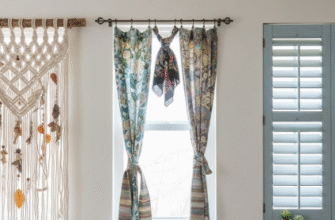
I started with a smaller piece—an embroidered panel from Oaxaca—and just hung it on my bedroom wall using a curtain rod. No drilling, no permanence, no pressure. This approach works because it’s reversible, which matters when you’re not sure if the orange and pink color scheme that looked perfect in Mexican sunlight will feel the same in your apartment’s fluorescent gloom. Wall hangings also solve the “I have too many things” problem that plagues most of us. Instead of adding another object to an already-crowded shelf, you’re using vertical space that’s probably just holding paint right now. Over time, I’ve layered multiple pieces on one wall—a Guatemalan huipil, a small kilim, some batik from Java—and the eclectic mix somehow works better than any single statement piece would. Maybe it’s because the variety mimics the chaotic beauty of the markets where I found them, or maybe I’m just rationalizing my inability to choose favorites.
Layering Without Looking Like You’re Trying to Open a Bazaar
The trick to using multiple textiles in one space is variation in scale and texture, plus restraint in color palette—which sounds simple until you try it. I learned this after turning my living room into what my sister kindly called “fabric overload.” Three patterned pillows from different countries fought for attention on my couch, and none of them won. What actually works: pick a dominant piece, then let smaller items echo one or two colors from it. So if you’ve got a large indigo-dyed throw from Nigeria, maybe your Peruvian pillow picks up that blue, while a Moroccan pouf introduces a neutral. The textures can clash—smooth silk next to nubby wool, fine embroidery beside rough weave—but the colors need some conversation happening. This isn’t a science, though. Sometimes you just have to live with a combination for a week to see if it clicks or if you want to scream every time you enter the room.
When Textiles Need to Actually Function in Your Daily Chaos
Look, not everything can be precious.
That Turkish towel you loved at the hammam? It’s now my beach towel, my picnic blanket, my yoga mat cover—it’s been through the washing machine roughly forty times and looks better for it, honestly. Some textiles are meant to be used, not preserved behind glass like museum pieces. I have an Indian dhurrie rug in my entryway that catches all the dirt from shoes, dog paws, and whatever else we track in, and it’s holding up fine because that’s what it was made for. The key is knowing which pieces can handle your actual life and which ones need gentler treatment. That hand-embroidered suzani with metallic thread? Probably not ideal for the room where you eat spaghetti. But the block-printed tablecloth from Rajasthan? Sure, use it, wash it, let it fade a little—it’ll develop character. There’s something freeing about letting go of the preciousness and just integrating these things into daily routines, even if it means they won’t last forever. Nothing does anyway.
The Failure Rate No One Mentions on Instagram
Here’s what I wish someone had told me: not every textile will find a home in your space, and that’s okay. I have a box in my storage unit with at least five textiles that never quite worked—a silk scarf from Vietnam that’s too delicate for anything practical, a woolen throw from Iceland that’s too warm for my climate, some embroidered napkins from Hungary that don’t match any of my dishes. Sometimes you buy something in the heat of travel euphoria, and back home it just sits there, a beautiful mistake. I used to feel guilty about this, like I’d somehow failed the artisan who made it or wasted money or was a bad curator of my own space. But maybe it’s fine to have a few misfits. Maybe that’s just the reality of trying to transpose one context—a bustling market, a specific light, a particular mood—into another. Not everything translates, and forcing it usually makes it worse. So some textiles become gifts, or they wait for a future home that fits them better, or they stay in that box as reminders of places I’ve been, even if they never make it to my walls or furniture. That’s incorporation too, in a way—acknowledging what doesn’t work is part of figuring out what does.