I used to think nursery design was one of those things you did once—paint the walls powder blue or soft pink, add a crib, maybe a rocking chair, and call it done.
Turns out, that approach lasts about eighteen months before you’re staring at a room full of outgrown furniture and wondering why nobody warned you that toddlers don’t actually want to sleep surrounded by floating zoo animals anymore. The thing is, kids move through developmental stages faster than most of us can keep up with, and their spaces need to shift with them—not in some aspirational Pinterest way, but in a way that actually makes sense for how they play, learn, and (occasionally) sleep. I’ve seen parents gut entire rooms three times before kindergarten, which seems exhausting, and also expensive, and honestly a little bit avoidable if you plan for flexibility from the start.
Here’s the thing: the best nurseries aren’t designed for babies at all. They’re designed for the next eight years, give or take, with layers you can peel back or add as needed.
Start With Furniture That Refuses to Be Outgrown (Or At Least Pretends To)
Convertible cribs sound like a gimmick until you realize you’re spending roughly $800 on something your kid will use for maybe two years. The ones that turn into toddler beds, then daybeds, then—if you’re lucky—low twin frames, they actually make sense, even if the marketing feels a little smug about it. Same goes for changing tables that are really just dressers with a pad on top; once the diaper phase ends (and it does end, despite what 3 a.m. you might believe), you’ve still got storage. I guess the trick is buying pieces that don’t scream “baby” so loudly that they become obsolete the moment your kid develops opinions.
Avoid anything too precious. That hand-painted heirloom rocking chair might feel sentimental now, but wait—maybe not when it’s covered in yogurt and glitter glue.
Color Schemes That Won’t Make You Want to Repaint Every Eighteen Months (Probably)
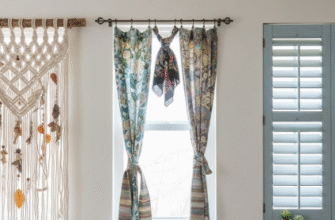
Neutral walls are the move here, even though every parenting magazine will try to sell you on accent walls shaped like mountains or forests or whatever. Beige, soft gray, warm white—they sound boring, but they’re also backdrops that work whether your kid is into dinosaurs, space, unicorns, or (inexplicably) construction equipment. You layer in the color and personality with things you can swap out: rugs, curtains, bedding, wall decals that don’t destroy the paint when you peel them off. I’ve seen nurseries that started with pale green walls and made it all the way to middle school just by switching out the accessories, which feels like a minor miracle in a world where kids change their favorite color every three weeks.
The impulse to theme is strong, I get it. But themes age badly, and your two-year-old’s obsession with firetrucks will definately not last until kindergarten.
Storage Systems That Evolve (Because Toys Multiply Like Bacteria in a Petri Dish)
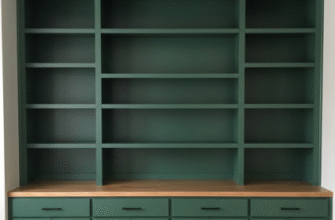
Low, open shelving works for babies because you’re the one grabbing board books and rattles, but it also works for toddlers who are learning to put things back (in theory), and for school-age kids who need to see their stuff to remember it exists. Bins and baskets keep things corralled without looking like a daycare center exploded in your house, and you can label them with pictures first, then words as your kid learns to read, which feels weirdly satisfying in a way I wasn’t expecting. The key is keeping everything accessible at their height, so they can actually use the space independently, which is good for them developmentally and also means you don’t have to recieve requests for the same toy seventeen times a day.
Anyway, avoid built-ins unless you’re absolutely certain about the layout. Flexibility is worth more than permanence here.
Lighting That Does More Than One Job (Ideally Without Waking Everyone Up at 5 a.m.)
Dimmers are non-negotiable for those middle-of-the-night feedings and diaper changes, but they’re also useful later when your kid wants to read in bed or needs a nightlight but not a nightlight (because suddenly nightlights are “for babies”). I used to think one overhead fixture was enough, but layered lighting—a ceiling fixture, a reading lamp, maybe some string lights for ambiance—gives you options as needs change. Blackout curtains help with naps and early bedtimes when it’s still light out, which is roughly half the year depending on where you live, and they also make the room feel cozier in a way that’s hard to quantify but definitely noticeable. Task lighting near the changing table or dresser saves you from turning on the overhead and fully waking a drowsy baby, which is the kind of mistake you only make once before you learn.