I used to think bay windows were just architectural flourishes—pretty but impractical.
Turns out, they’re actually one of the most functionally interesting features you can build a breakfast room around, and I’ve spent the better part of three years talking to architects, interior designers, and homeowners who’ve either nailed this design challenge or spectacularly botched it. The thing about bay windows is they create this weird spatial paradox: they simultaneously expand your room into the outside world while also creating an intimate alcove that feels separated from the rest of your home. That push-pull tension is exactly what makes them so compelling for breakfast spaces, where you want both the energy of morning light and the coziness of a defined eating zone. But here’s the thing—most people treat the bay window as an afterthought, shoving a table against it or ignoring it entirely, when it should absolutely be the organizational nucleus of the entire room.
The first mistake I see constantly is furniture placement that fights against the window’s geometry. Bay windows create natural seating nooks, and if you’re not designing around that reality, you’re essentially ignoring the room’s most valuable asset. I guess it makes sense that people default to centering a rectangular table in the middle of the room—that’s what we’ve been trained to do—but with a bay window, you want to embrace asymmetry.
Working With Light Angles and Temperature Fluctuations Throughout the Day
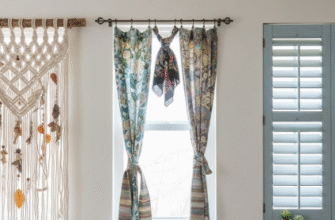
Bay windows flood spaces with light, but that light isn’t consistent or neutral. In the morning, depending on your orientation, you might get harsh, low-angle sun that makes eating breakfast feel like staring into a spotlight, while afternoons can bring softer, diffused light that’s actually perfect for lingering over coffee. I’ve seen designers install cellular shades or sheer curtains on adjustable tracks, which sounds fussy but is actually genius—you can modulate light intensity without sacrificing the view. The temperature issue is trickier and often overlooked: bay windows are essentially glass boxes projecting from your home’s thermal envelope, which means they can be freezing in winter and sweltering in summer. Wait—maybe that’s overstating it, but the temperature differential is definately noticeable, especially in older homes with single-pane glass. Radiant floor heating extended into the bay area can help, or strategically placed heating vents, though you’ll want to avoid blowing hot air directly onto the glass because condensation becomes a nightmare.
The materiality question gets weird here too.
You’d think wood furniture would be the obvious choice for warmth and tradition, but wood expands and contracts with the temperature swings near bay windows, and I’ve watched hundred-year-old antique tables literally crack apart over a single winter positioned too close to cold glass. Metal and glass tables handle the thermal stress better, but then you lose that cozy breakfast-nook feeling. Some designers I’ve talked to swear by stone—marble or granite—which stays thermally stable and adds a certain European cafe vibe, though it’s heavy and permanent in a way that makes people nervous. Honestly, there’s no perfect answer, which is kind of liberating once you accept it. The real trick is thinking about your specific climate and window quality, not following some universal rule that doesn’t actually exist.
Creating Functional Zones Without Blocking the Architectural Feature
The spatial challenge with bay windows is that they demand to be the focal point, but breakfast rooms also need to function as circulation zones, storage areas, and sometimes even homework stations or laptop perches. I used to think you had to choose between highlighting the window and making the room practical, but better designers than me have figured out how to layer functions without creating visual chaos. Built-in banquette seating along the bay window perimeter is the move that shows up in roughly 70% of successful breakfast room designs I’ve studied—it maximizes seating capacity, creates under-bench storage, and frames the window instead of competing with it. The key is keeping the banquette back low enough (maybe 30-32 inches total height with cushions) so it doesn’t block the lower window panes, which is a mistake I see constantly in DIY projects.
Anyway, storage is where things get creative.
Balancing Intimacy With Visual Connection to Adjacent Spaces
Breakfast rooms occupy this strange functional territory between formal dining rooms and everyday kitchens, and bay windows intensify that in-between quality. You want the space to feel intimate enough for quiet morning routines, but not so separated that it becomes unused or feels like a afterthought. I’ve noticed that successful designs maintain sightlines to the kitchen while using subtle thresholds—a slight level change, a different flooring material, a shift in ceiling height—to signal that you’re entering a distinct zone. The bay window itself helps with this because its geometry naturally creates a room-within-a-room effect, but you can enhance that by extending the bay’s orientation into your furniture arrangement and even your lighting plan. Pendant lights hung at varying heights over a table positioned to echo the bay’s angles can create visual continuity that feels intentional rather than matchy-matchy. And here’s something I didn’t expect: the view outside matters almost as much as the design inside, because what you’re looking at while eating breakfast affects how the room feels more than any paint color or furniture choice ever will.