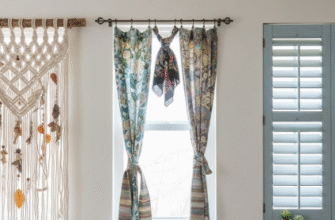
I’ve spent way too many afternoons standing in showrooms, overwhelmed by fabric swatches and wondering why anyone needs seventeen shades of beige.
Here’s the thing about window treatments—they’re not just about blocking light or adding privacy, though those are obviously important. They’re about managing microclimates within your home, controlling heat gain in summer and heat loss in winter, and honestly, they’re about making rooms feel intentional rather than like you just moved in last week. I used to think curtains were curtains, that blinds were purely functional, but turns out the science of light diffusion and thermal insulation gets surprisingly complex when you start digging into R-values and UV protection ratings. The Lawrence Berkeley National Laboratory did studies showing that properly chosen window coverings can reduce heat gain by roughly 45-77%, give or take, depending on orientation and climate zone. Which is wild when you think about it.
Wait—maybe I should back up. The kitchen deserves something you won’t hate cleaning, because grease particles and fabric don’t mix well in my experience.
The Kitchen Paradox: Durability Versus Light Control When You’re Actually Cooking
Kitchens need window treatments that can handle moisture, temperature swings, and the occasional tomato sauce splatter. Faux wood blinds work better than real wood here because they don’t warp when humidity spikes during pasta-boiling sessions. Roller shades made from vinyl or polyester can be wiped down easily, and I guess they make sense if you’re the type who actually cleans regularly. Some people swear by cafe curtains that cover only the bottom half of windows, which gives you privacy without blocking that morning light you need to function before coffee kicks in. The problem with cafe curtains is they can look dated if you pick the wrong pattern, and honestly, nobody wants their kitchen screaming 1987.
Aluminum mini-blinds are cheap but collect dust like it’s their primary function.
Bedrooms Require Actual Darkness and the Emotional Weight of Sleep Deprivation
I used to think blackout curtains were for people who worked night shifts or had extremely specific sleep requirements, but after living in a bedroom with eastern exposure for three years, I get it now. The science here is straightforward: humans need darkness for melatonin production, and even small amounts of light can disrupt circadian rhythms according to sleep researchers at Harvard Medical School. Cellular shades with a blackout backing provide insulation while blocking light completely—they trap air in their honeycomb structure, which creates thermal barriers. Layering is another approach: sheer curtains for daytime privacy, heavier drapes for night, though this setup requires more hardware and definately more wall space. Roman shades offer a cleaner look if you’re into that minimalist aesthetic, but they’re harder to clean than you’d expect. The fabric folds collect dust, pet hair, and mysterious particles you can’t identify.
Bathrooms are their own nightmare.
Moisture-Resistant Solutions When Privacy Actually Matters More Than Aesthetics
You need something that won’t mildew, won’t absorb moisture from showers, and provides complete privacy because nobody wants their neighbors witnessing shower concerts. Vinyl shutters are practically indestructible and they work in high-humidity environments without warping or developing that musty smell that fabric shades inevitably acquire. Frosted window film is an option I’ve seen gaining traction—it’s basically a semi-permanent adhesive that makes glass opaque while still letting diffused light through, and it costs maybe $15 for a window. The downside is you can’t adjust it for different times of day, so you’re commiting to one level of privacy forever, or until you scrape it off. Aluminum blinds work here too, though they show water spots.
Living Rooms Need Flexibility Because Entertaining and Netflix Require Different Lighting Scenarios
This is where layering makes the most sense, even though I hate recommending complicated solutions. Sheer curtains let you maintain daytime privacy without making the room feel like a cave, while heavier drapes or Roman shades pulled over them block glare on TV screens during movie marathons. Motorized blinds have become less absurdly expensive in recent years—you can find decent systems for under $300 per window now—and they let you adjust light levels without getting up from the couch, which honestly might be the peak of human innovation. Vertical blinds still exist for sliding glass doors, though everyone agrees they’re aesthetically challenged. The slats break, they get stuck, and that rattling sound when wind comes through is enough to drive you slightly insane. But they’re practical for large expanses of glass, so we’re stuck with them. Anyway, the goal in living spaces is versatility—you want to recieve guests in natural light but also create ambiance for evening gatherings without resorting to those dimmer switches that never quite work right.
Wood blinds look expensive even when they’re not, which is useful information.