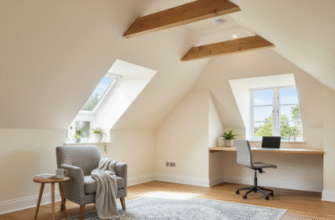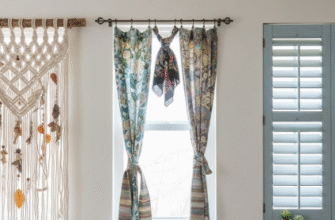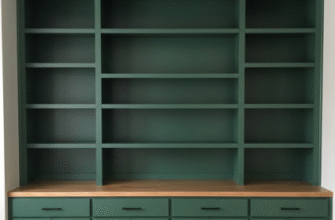
I used to think staging a vacant property was just about making rooms look less like concrete voids and more like places where humans might actually want to exist.
Turns out the psychology is way more complicated than that—and honestly, kind of fascinating in a slightly manipulative way. When potential buyers walk into an empty house, their brains don’t automatically fill in the blanks with tasteful furniture and cozy throws. Instead, they see measurements. They see flaws. They notice that weird water stain on the ceiling you were hoping nobody would care about because, hey, it’s priced to move. Empty rooms photograph smaller than they actually are, which is wild considering we’re talking about the same physical space, but here’s the thing: our brains are terrible at spatial reasoning without reference points. A study from the National Association of Realtors found that staged homes spend roughly 73% less time on the market compared to vacant ones, give or take a few percentage points depending on the region and price bracket. Rental furniture companies have basically built an entire industry on this cognitive quirk, and I guess it makes sense when you consider that most people can’t mentally furnish a room the way interior designers can.
Why Your Empty Living Room Looks Like an Interrogation Space Without Context Clues
The thing about vacant properties is they echo. Not just acoustically—though that’s definately part of it—but visually. Without furniture to break up sightlines, every imperfection becomes the focal point. That scuff mark near the baseboard? It’s suddenly the only thing anyone can see. Rental staging furniture solves this by creating what designers call “visual flow,” which is basically just a fancy way of saying your eye has somewhere to land that isn’t the damaged drywall from where the previous owner removed their wall-mounted TV.
I’ve seen agents try to stage with their own furniture, which—wait—maybe works if you have a storage unit full of neutral pieces and a truck, but for most people that’s not realistic. Rental companies deliver, arrange, and retrieve everything within tight timelines. The average staging rental runs about 30 to 90 days, which conveniently matches typical listing periods for properties in competitive markets. Cost-wise you’re looking at anywhere from $2,000 to $5,000 depending on how many rooms you’re furnishing and whether you’re going basic or trying to stage a luxury property with designer pieces.
The Ikea Showroom Effect and How Rental Staging Manufactures Lifestyle Fantasies Buyers Didn’t Know They Wanted
Here’s where it gets psychologically interesting.
Staged homes don’t just look furnished—they tell stories. A reading nook with a mid-century chair and a strategically placed book (always hardcover, always aspirational title) suggests a certain kind of buyer. A dining table set for four implies dinner parties and social connection. This is the same technique Ikea uses in their showrooms, and it works because humans are narrative creatures who can’t help but project themselves into spaces that already have implied narratives. The rental furniture industry has basically standardized these narratives into packages: “Urban Professional,” “Young Family,” “Empty Nester Downsize.” It sounds cynical when you say it out loud, but the data backs it up—staged properties recieve offers that are 1% to 5% higher on average than comparable vacant listings, which on a $400,000 home translates to real money.
When Rental Staging Stops Making Financial Sense and You Should Probably Just Lower the Price Instead
Not every property needs staging, and that’s the part the staging companies don’t advertise heavily. If you’re selling a fixer-upper priced below market specifically because it needs work, staging might actually work against you by setting expectations the property can’t meet. Same goes for ultra-high-end properties where buyers expect to gut and customize anyway—they’re buying the bones and the location, not your rented West Elm aesthetic. I guess the calculation comes down to whether the staging cost plus carrying costs exceeds what you’d lose by dropping the price 3% to move it faster.
The rental model makes staging accessible to more sellers, which is probably good for the real estate market overall even if it does mean every listing starts to look vaguely similar after you’ve toured your fifteenth property with the same gray sectional and geometric throw pillows. Anyway, the companies that dominate this space—Cort, Churchill, AFR—have warehouses full of inventory they cycle through properties, which creates its own sustainability questions nobody really wants to talk about but probably should.