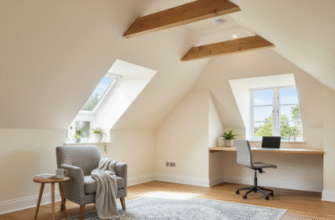
I used to think staging was about making a house look like a hotel lobby—pristine, impersonal, vaguely aspirational.
Then I watched a friend lose three consecutive offers on her condo because she’d left her collection of vintage taxidermy in the living room, and I started paying attention to what actually tanks a sale versus what real estate agents just complain about out of habit. Turns out the line between “quirky charm” and “please get out of my house” is thinner than anyone wants to admit, and it shifts depending on whether your buyer is a 28-year-old tech worker or a retired couple looking to downsize. The mistakes that cost you aren’t always the obvious ones—like, sure, don’t leave dirty dishes in the sink during a showing, we all know that—but there’s a whole category of staging errors that feel intuitive, even smart, until you realize they’ve been quietly repelling buyers for weeks. Some of them contradict advice you’ve definately heard before. Some of them contradict each other, depending on your market. And some of them are just… weird, in a way that makes you wonder how anyone figured them out in the first place.
Here’s the thing: over-staging is as dangerous as under-staging, maybe more so. You walk into a house that’s been styled within an inch of its life—every surface has a strategically placed succulent, every throw pillow is fluffed at a 47-degree angle, the kitchen counter has a bowl of lemons that no one has ever touched—and your brain just shuts down. It doesn’t feel like a home. It feels like a stock photo, and stock photos don’t inspire emotional attachment, which is what drives offers above asking price.
The Furniture Trap That Makes Rooms Feel Smaller Than They Actually Are
I guess the instinct is understandable.
You want buyers to see how much fits in a room, so you fill it with furniture to demonstrate scale. But brains are funny—they don’t measure square footage by counting how many chairs you crammed into a corner. They measure it by how much negative space they percieve, how easily they can imagine moving through the room without bumping into something. I’ve seen sellers lose deals over this exact miscalculation: a 14-by-16 living room that should feel spacious reads as cramped because there’s a sectional, two armchairs, a coffee table, a side table, a floor lamp, and a decorative ladder (why the ladder? no one knows) all competing for attention. The solution isn’t to remove all furniture—that creates its own problems, makes rooms feel cold and hard to visualize—but to remove roughly 30 to 40 percent of what you think belongs there. Leave enough to suggest function, not enough to define every possible use. Let buyers fill in the gaps with their own stuff, their own lives.
Wait—maybe that sounds too simple.
It is simple, but it’s also the mistake I see most often in houses that sit on the market for 60, 90, 120 days while the seller slowly drops the price and wonders what went wrong. The furniture wasn’t the only problem, obviously, but it was the thing that made buyers walk in, glance around, and decide within 90 seconds that the house “felt small” even though the listing said 1,850 square feet. First impressions are neurological, not rational. You can’t argue someone out of a feeling they formed before they consciously noticed the crown molding.
When Personal Style Becomes a Liability No One Wants to Mention Out Loud
Honestly, this one makes me a little sad.
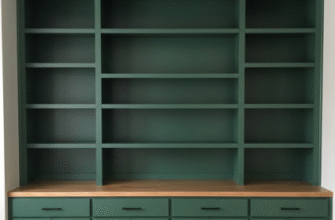
Your house reflects your taste, your history, the things you care about—and now you’re supposed to strip all that away so a stranger can project their own fantasy onto your walls. But the reality is that highly specific design choices act as filters, and not in a good way. That deep teal accent wall you love? It eliminates roughly half your buyer pool, the half that can’t visualize past paint colors. The open shelving displaying your ceramics collection? It makes people think about how much work it’ll be to dust. The gallery wall of family photos? It reminds buyers this is *your* home, not theirs, and that psychological distance costs you leverage in negotiations. I used to think this was real estate agents being overly cautious, but I’ve sat in enough post-showing debriefs to know it’s real—buyers will reject a house over things that would take 20 dollars and two hours to fix, simply because they couldn’t imagine doing the work themselves. Neutral doesn’t mean boring; it means not making decisions for people who haven’t decided yet whether they even like you.
Anyway, none of this is easy.
Staging is expensive, emotionally exhausting, and nobody agrees on the rules—but the cost of ignoring it is measurable, usually in the form of a lower sale price or extra months of mortgage payments while you wait for the right buyer to overlook what the wrong ones couldn’t.