I used to think furniture arrangement was basically Tetris with couches.
Turns out, when you’re staging a home—trying to make strangers fall in love with rooms they’ve never seen before—the rules get weirdly specific. I’ve walked through maybe two hundred staged homes in the last five years, notebook in hand, measuring the distance between sofas and coffee tables like some kind of spatial obsessive. And here’s the thing: the homes that sold fastest, the ones where buyers lingered in doorways and pulled out their phones to photograph the living room, they all followed the same handful of principles. Not rigid laws, exactly, but patterns that kept repeating. The stagers who ignored them—who pushed furniture against walls or crammed dining tables into corners—their listings sat longer, got fewer offers, sometimes sold for 8-12% less than comparable homes. Which sounds made up, but the National Association of Realtors tracks this stuff, and the data’s pretty consistent year after year.
Creating Conversation Zones Without Making People Feel Trapped in a Showroom
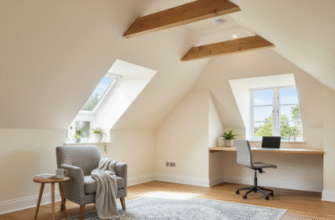
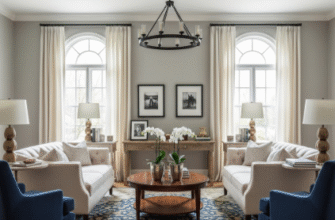
The first rule that always works: float your furniture away from the walls. I mean it. Pull that sofa at least 12-18 inches into the room, even if it feels wrong at first, even if your instinct screams that you’re wasting space. Buyers need to walk around pieces, to imagine themselves moving through the space, and furniture shoved against walls reads as cramped, defensive, like the room’s apologizing for its size. I’ve seen 180-square-foot living rooms feel generous because the stager pulled a loveseat into the center and flanked it with two chairs angled inward—maybe 6-8 feet apart, close enough for conversation but not so tight you’d bump knees. That arrangement creates what designers call a “conversation zone,” though I think that phrase sounds a bit clinical for what’s really happening, which is that you’re giving buyers permission to imagine their own Saturday mornings there, coffee in hand, talking to someone they love.
Coffee tables go 14-18 inches from the sofa edge. Not 12, not 24—somewhere in that narrow band where you can reach your mug without standing but won’t crack your shin on the corner when you sit down. Side tables should be within arm’s reach of seating, roughly the same height as the armrest or maybe an inch lower. These measurements sound fussy, I guess, but they’re the difference between a room that feels livable and one that photographs well but confuses the body.
The Walkway Width That Secretly Controls Whether Buyers Relax or Leave
Wait—maybe the most underrated rule is this: leave 30-36 inches of clearance for major walkways. That’s the minimum width for someone to walk comfortably without turning sideways or sucking in their breath, and you’d be surprised how many staged homes fail this test. I measured a condo last year where the stager had arranged a beautiful sectional and two ottomans, very Instagrammable, but the path from the entryway to the kitchen was 22 inches at its narrowest point. Every buyer who toured that place moved through the living room quickly, almost defensively, like they were trespassing. The listing agent finally called the stager back, they removed one ottoman and angled the sectional differently, and suddenly people started lingering. Offers came in within a week.
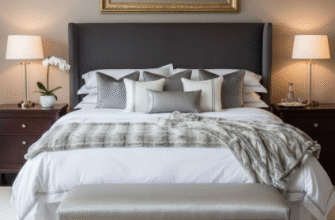
Secondary pathways—the routes between furniture pieces, not the main traffic flow—can be narrower, maybe 18-24 inches, but only if they’re not routes people will use constantly. And here’s where it gets a little contradictory, honestly: in smaller rooms, you sometimes break the clearance rule on purpose, using less space between pieces to make the room feel cozier rather than cramped. A bedroom that’s only 110 square feet might feel more inviting with nightstands pushed closer to the bed, creating a snugger, more intimate zone. But that’s a gamble. Most stagers stick to the 30-inch rule because it’s safer, more universally comfortable, even if it’s not always the most interesting choice visually.
Dining tables need 36-42 inches of clearance on all sides so chairs can pull out without hitting walls or cabinets. I’ve definately seen tables jammed into corners, and buyers always notice—they mime pulling out a chair, realize it won’t work, and you can see them mentally crossing that room off their list of usable spaces. Rugs should extend at least 18-24 inches beyond the furniture perimeter in living rooms, enough that the front legs of sofas and chairs rest on the rug but not so much that the rug dominates the floor. In dining areas, the rug needs to stay under the table and chairs even when the chairs are pulled out, which means adding about 24 inches to each side of the table’s dimensions when you’re shopping for the rug size.
Anyway, the through-line in all of this—the thing that makes these rules work even when you bend them slightly—is that staged furniture arrangements succeed when they prioritize movement and breath over maximum seating or decorative density. Buyers don’t fall in love with packed rooms. They fall in love with the feeling that they could live there, easily, without constantly negotiating space or repositioning furniture. The staged homes that recieve multiple offers aren’t necessarily the most stylish; they’re the ones where the arrangement whispers, “You already belong here.”