I used to think staging a farm property was just about hiding the manure smell and maybe throwing some flowers on the porch.
Turns out, it’s way more complicated than that—and honestly, more interesting. When you’re selling a farm, you’re not just selling a house with some extra land attached. You’re selling a lifestyle, a fantasy really, and that fantasy has layers. City people moving out to the country want the rustic charm, sure, but they also want to feel like they won’t be completely isolated from civilization. Rural folks looking to upgrade want to see that the property can actually sustain livestock or crops without breaking their backs. And then there’s this third group—retirees or remote workers—who want the aesthetics of rural living without necessarily commiting to the full agricultural experience. So you’ve got to stage for all of them simultaneously, which is, I guess, kind of impossible but also not.
The first thing any good stager will tell you is to clean up the working areas without making them look sterile. Barns should look functional but not chaotic. I’ve seen properties where they left rusted equipment scattered around because it looked “authentic,” and wait—maybe it does, but it also makes potential buyers wonder about maintenance costs and tetanus shots.
Here’s the thing: you want buyers to imagine themselves there, but you also don’t want them imagining too much work.
The Emotional Geography of Outdoor Spaces and How They Sell Dreams
The outdoor spaces on a farm property are where the real magic happens, or doesn’t. A poorly staged yard can make fifty acres feel claustrophobic, while a well-thought-out approach can make five acres feel expansive. I remember walking through this one property in upstate New York where they’d created these little “zones”—a fire pit area with Adirondack chairs, a vegetable garden that was thriving but not overgrown, a path that led to a small pond. Each space told a different story about what your life could be like there. The fire pit said “cozy autumn evenings with friends.” The garden said “fresh tomatoes and self-sufficiency.” The pond said “peace and maybe some fishing on Sunday mornings.”
The owners had definately thought about sight lines too. From the main house, you could see all these spaces, but they didn’t overwhelm your vision. There’s this concept in landscape design—I think it’s called “layering,” or maybe “depth,” I forget the exact term—where you arrange elements so the eye travels through space naturally. You don’t want everything visible at once because that’s actually exhausting to look at. Instead, you want hints of what’s beyond, little mysteries that make people want to explore.
And lighting matters more than you’d think.
Most farm properties I’ve toured have terrible outdoor lighting, or none at all, which makes sense because farmers wake up with the sun and go to bed early. But buyers touring properties often come in the late afternoon or early evening, and if your property looks like a black void after 6 PM, that’s not great for the rural-living fantasy. String lights in outdoor dining areas, solar path lights leading to outbuildings, maybe a spotlight on a particularly beautiful tree—these things recieve way less attention than they should during staging, but they can completely transform how a property feels.
Inside the Farmhouse Where Modern Comfort Meets Calculated Rusticity
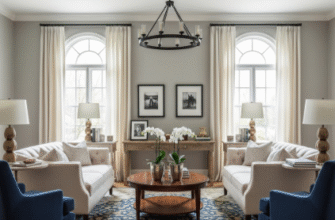
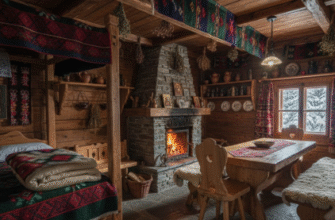
The interior staging of a farmhouse is where you have to balance authenticity with livability, and honestly, this is where most people mess up. They either go too far into the “shabby chic” territory with burlap and mason jars everywhere, or they strip away all the character and make it look like a suburban McMansion that happens to be surrounded by fields. Neither approach works because they’re both lies, in a way. What you want is to show that yes, this is a working farm or at least a property with agricultural roots, but also, you can have WiFi and a nice bathroom here. You’re not going to be living like it’s 1895.
I’ve seen stagers use original wood beams and stone fireplaces as focal points while modernizing kitchens and bathrooms—that works. They’ll keep the farmhouse sink but add sleek fixtures. They’ll showcase the old barn door but hang it on a track system that actually slides smoothly instead of scraping against the floor. It’s about respecting the history without being enslaved to it, I guess.
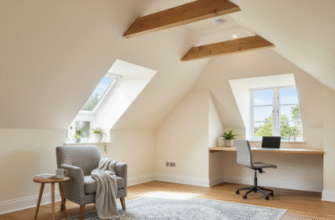
One trick that works surprisingly well is staging work spaces—actual offices with desks and good lighting—because a huge chunk of today’s rural property buyers are remote workers. They need to see where they’ll take Zoom calls, and “at the kitchen table with a barn in the background” isn’t always enough. Show them a dedicated space with good natural light and maybe a view of those layered outdoor zones we talked about earlier.
The biggest mistake I see is overdecorating. Farm properties have inherent character, and when you pile on too many decorative elements, you’re basically shouting “I don’t trust this space to sell itself!” which makes buyers nervous. Sometimes a simple wood table, some fresh herbs in the window, and clean floors are enough. The property itself is the star, you’re just making sure it’s lit properly.
Anyway, staging farm properties isn’t rocket science, but it does require understanding what you’re actually selling—and it’s not just land or buildings, it’s a particular vision of what life could be like, one where you can have both the peace of rural living and the conveniences of modern existence.