
I used to think eco-friendly home staging was just about slapping some bamboo cutting boards on the counter and calling it a day.
Turns out, green buyers—the ones who’ve spent years agonizing over their carbon footprints and researching the environmental impact of literally everything they purchase—can spot performative sustainability from across a staged living room. They’re looking at your insulation, your paint VOC levels, your flooring materials, even the provenance of that reclaimed wood coffee table you thought was so clever. These aren’t casual shoppers wandering through open houses on Sunday afternoons for entertainment. They’re armed with questions about energy audits, greywater systems, and whether your “eco-friendly” bamboo flooring was actually harvested sustainably or just greenwashed marketing nonsense. The stakes are higher because these buyers often have the income to be selective—they’re willing to pay premiums for properties that align with their values, but only if those values are genuinely reflected in the bones of the house, not just its styling.
Here’s the thing: authenticity matters more than aesthetics when you’re staging for this demographic. You can’t fake it with a few potted succulents and some vintage furniture. I guess that’s what makes this challenging.
Wait—maybe we should back up and talk about what actually works, because I’ve seen agents waste thousands on the wrong approach, thinking they could just hire any staging company and add “mention the solar panels” to their listing description. The most effective eco-staging starts with highlighting existing sustainable features that buyers in this market actively seek: LED lighting throughout (not just in a few rooms), smart thermostats that demonstrate energy management, water-efficient fixtures that don’t sacrifice water pressure, and windows that actually provide proper insulation rather than just looking pretty. But then you layer in the staging elements that reinforce this narrative—furniture made from certified sustainable materials, organic textiles that aren’t dyed with harsh chemicals, low-VOC or zero-VOC paints in those on-trend earth tones that green buyers seem to love, and decor items that have a story about their sustainable origins. One stager I know keeps a binder of certifications and material sources for every item she uses, because these buyers will ask, and if you can’t answer, you’ve lost their trust.
Honestly, the psychology here gets complicated. Green buyers often experience this tension between their environmental values and their desire for comfort and luxury, and your staging needs to resolve that tension visually.
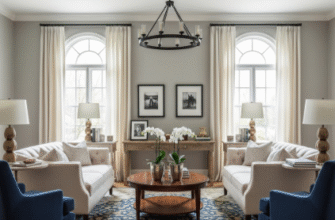
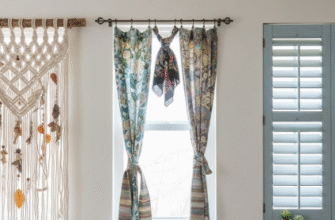
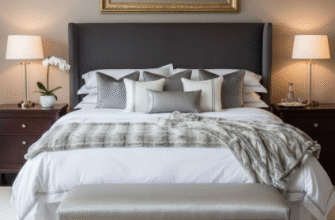
They need to see that sustainability doesn’t mean sacrifice—it means smarter choices that happen to also look incredible. This is where natural materials really shine: that limestone countertop, the cork flooring in the office, the wool area rug in the living room, the linen curtains that somehow manage to feel both luxurious and virtuous. Texture becomes crucial because you’re working with a more limited color palette (synthetic dyes are out, so you’re mostly in neutrals and earth tones), and you need visual interest without relying on the usual staging tricks. I’ve noticed that plants—real ones, not plastic—do serious work in these spaces, but you can’t just scatter random ferns everywhere. Choose native species or herbs that suggest the possibility of indoor gardening, which appeals to the self-sufficiency impulse many green buyers have. Anyway, the mistake people make is thinking this audience wants everything to look rustic or unfinished, like they’re staging a cabin in the woods, when actually these buyers often have sophisticated design sensibilities and decent budgets.
The lighting strategy matters more than you’d think, too.
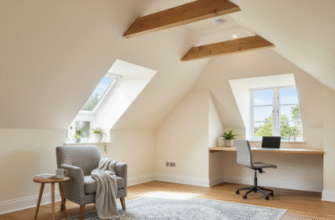
Natural light should be maximized—remove heavy drapes, clean windows until they’re invisible, maybe even consider removing screens temporarily for showings if that’s feasible and safe. But when you need artificial lighting, every fixture should be LED, and ideally you want circadian-friendly bulbs that mimic natural light temperatures throughout the day. Some stagers are now using smart lighting systems that buyers can control during viewings, which lets them experiance (not just imagine) how the home’s lighting adapts to different needs and times. Energy monitoring displays, if the home has them, should be prominently placed and showing real data—these become conversation pieces that reinforce the home’s green credentials. And here’s something that surprises people: air quality indicators. Green buyers care intensely about indoor air quality, so if you’ve got plants that are known air purifiers (snake plants, pothos, peace lilies), label them discretely. If the home has an air purification system, make sure it’s visible and running during showings.
The kitchen and bathrooms deserve special attention because these are the rooms where sustainability features either shine or reveal themselves as superficial. In the kitchen, stage with reusable containers, beeswax wraps instead of plastic wrap, a compost bin that’s actually attractive (they exist now, somehow), and maybe some bulk goods in glass jars to suggest a low-waste lifestyle. But don’t overdo it—you want to inspire possibility, not make buyers feel like they’re being lectured. Bathrooms should showcase water efficiency: those aerated faucets, low-flow showerheads that still provide good pressure, dual-flush toilets if you’ve got them. Use organic cotton towels, package-free soap bars, bamboo accessories. One agent told me she stages bathrooms with refillable dispensers and labels them with eco-friendly product brands that buyers might actually recognize, which creates this subtle sense of “this is how you’d actually live here” rather than just empty staging fantasy.
I guess the ultimate goal is creating a narrative where sustainability isn’t an add-on feature but the fundamental organizing principle of the home, and every staging choice reinforces that story without ever feeling preachy or performative, which is honestly a harder balance to strike than it sounds.