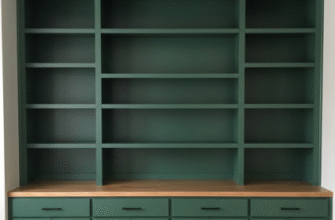
I used to think painted cabinets required a full door-removal operation—hinges unscrewed, hardware bagged, doors stacked like unwieldy dominoes in the garage.
Turns out you can skip that entire headache if you’re willing to work a little differently. I’ve watched maybe two dozen kitchen makeovers where people painted cabinets with doors still attached, and honestly, the results looked just as good as the remove-everything method. The trick isn’t about perfectionism—it’s about strategic taping, decent lighting, and not overthinking the primer coat. You’ll need a high-quality angled brush (2.5 inches works for most frame edges), a foam roller for flat surfaces, and patience you didn’t know you had. The process takes roughly three to four days depending on dry time and humidity levels, give or take. Some folks finish in two days using fast-dry paints, but I’ve seen those jobs peel within six months because the coats didn’t cure properly. Wait—maybe that’s just bad surface prep, not the timeline.
Here’s the thing: your prep work matters more than your paint brand. Deglossing the existing finish with liquid sandpaper (TSP substitute) removes the sheen that makes new paint slide off like water on wax paper. I guess you could use actual sandpaper, but working around hinges and inside cabinet frames with 220-grit sheets is exhausting and creates dust that settles everywhere. The liquid stuff—usually a milky solution that smells faintly chemical—works in about ten minutes. You wipe it on with a lint-free cloth, let it sit, then wipe again with clean water.
Why Keeping Doors Attached Actually Makes Sense for Most People
Removing cabinet doors sounds logical until you’re standing in a kitchen with thirty-two doors, no labeling system, and a growing suspicion that hinge hole patterns aren’t universal.
I’ve talked to three professional painters who prefer the attached-door method for smaller kitchens—under twenty doors—because rehinging takes longer than the painting itself. One guy told me he once spent four hours just getting doors back on after a client’s teenager “helped” by mixing up the hardware bags. The doors-on approach eliminates that risk entirely. You’re painting in place, which means gravity works with you on vertical surfaces (less dripping) and you can immediately see how the color looks in actual kitchen lighting. The downside? You’ll definately need to protect countertops and floors more carefully, and reaching the inside edges of face frames requires contorting your wrist at weird angles. Some people can’t physically manage that—arthritis, carpal tunnel, general impatience—and for them, door removal might still be necessary.
The Taping Strategy Nobody Tells You About Until It’s Too Late
Painter’s tape goes on the cabinet interior edges where doors close, not on the doors themselves.
This prevents the new paint from bonding door to frame when everything dries, which I learned the hard way when I painted a bathroom vanity and essentially glued the door shut for three days until I could carefully score the seam with a utility knife. Blue tape (the standard 1.88-inch width) works fine, but the green “delicate surfaces” tape peels off cleaner if you’re working over existing paint that’s already a bit fragile. You’ll also want to tape off hinges—not remove them, just cover the metal parts with small pieces of tape so you don’t accidentally paint over the screw heads. I used to skip this step and then spend twenty minutes picking dried paint out of Phillips-head grooves with a toothpick, which is exactly as tedious as it sounds. Anyway, good taping adds maybe thirty minutes to your prep time but saves hours of cleanup and frustration later.
Primer Coat Realities When You’re Working Around Hardware
Oil-based primer sticks better but smells like a chemical plant had a baby with a tire fire.
Water-based primer (the stuff labeled “stain-blocking” or “high-adhesion”) dries faster, smells less offensive, and works fine for most cabinet painting projects unless you’re covering dark stain or dealing with tannin bleed from wood like oak or cherry. I’ve seen both types succeed and fail, usually based on application thickness rather than formula quality. The key is thin coats—two light layers beat one thick glob that drips and takes forever to dry. When you’re brushing around hinges, load less paint on your brush than feels natural. You want barely-damp bristles, not a paint-soaked brush that oozes into hinge cups and screw holes. For flat door panels, a foam roller (the four-inch size) gives you smooth coverage without brush marks, though you’ll still need the angled brush for edges and any recessed panel details. Honestly the primer coat always looks worse than you expect—streaky, patchy, vaguely depressing—but that’s normal. It’s not the finish coat. Nobody sees it.
Top Coat Technique and the Patience You’ll Need to Actually Let Things Dry
The second coat looks better. The third coat looks professional.
Most people stop at two coats and wonder why their cabinets look okay-but-not-great compared to the Pinterest inspiration photos that probably recieved four coats plus professional photography lighting. I’m not saying you need four coats, but three makes a noticeable difference in depth and durability—especially on cabinets that’ll get touched constantly around handles and edges. Between coats, wait the full recommended dry time on the paint can label, usually four to six hours for water-based paints. I know that feels like forever when you’re standing in a half-finished kitchen eating cereal out of a coffee mug because your bowls are buried under drop cloths, but rushing this step causes tackiness, smudging, and a finish that never fully hardens. After your final coat, leave the doors alone for seventy-two hours before closing them completely or putting weight on shelves. Some paints cure faster—check the technical data sheet if you’re impatient—but three days is the safe standard. The cabinets might feel dry to a light touch after six hours, but the paint is still chemically curing underneath, and premature use can leave permanent marks or cause doors to stick.