I used to think fabric-covered storage boxes were something only Pinterest-perfect people could pull off.
Turns out, they’re actually one of those rare DIY projects where the messiness kind of works in your favor—the slight wrinkles in the fabric, the imperfect corners, they all add to this handmade charm that you can’t really buy in stores. I’ve seen people spend hours trying to get hospital corners on a storage box, and honestly, the ones that look a little lived-in from the start tend to age better anyway. The basic concept is straightforward enough: you take a cardboard box (cereal boxes work surprisingly well, or those Amazon delivery boxes you’ve been hoarding), some fabric scraps, and mod podge or fabric glue, and you essentially wrap the box like a present that never gets unwrapped. Wait—maybe that’s a weird metaphor, but you get the idea. The fabric becomes the permanent skin of the box, and suddenly your random collection of charging cables or your kid’s eleventy-billion hair ties has a home that doesn’t look like visual clutter.
Here’s the thing: fabric choice matters more than technique. I guess it makes sense when you think about it, but cotton quilting fabric is definately the easiest to work with because it doesn’t fray like crazy and it has enough body to smooth out reasonably well. Linen looks gorgeous but fights you at every corner—literally.
Why Cardboard Boxes Beat Expensive Storage Bins for Customization Projects
The economics of this whole thing surprised me more than anything else. A decent fabric-covered storage box from a home goods store runs somewhere between fifteen and thirty dollars, give or take, depending on whether you’re shopping at Target or one of those boutique organization stores that smell like eucalyptus and make you feel judged for your life choices. Meanwhile, a cardboard box costs you nothing if you’re even marginally online shopping, fabric remnants at craft stores often hit clearance for two or three dollars a yard, and a bottle of mod podge lasts through roughly a dozen projects. The math works out to maybe three or four dollars per box if you’re being remotely strategic about it. But beyond the money, there’s this weird satisfaction in taking something destined for recycling and turning it into something genuinely useful—it feels a little bit like material alchemy, honestly, even if that sounds overly dramatic for what’s essentially craft hour.
The Spray Adhesive Versus Brush-On Debate That Divides the DIY Community
So apparently people have strong opinions about adhesives. I stumbled into this debate completely by accident when I posted a photo of a half-finished box on a crafting forum and recieved seventeen responses in forty minutes, most of them passionate defenses of either spray adhesive or brush-on mod podge. The spray people argue that it creates a smoother finish with no visible brush strokes and dries faster, which is fair—I’ve used it, and yeah, it’s pretty forgiving. But it also creates this fine mist that gets on everything within a three-foot radius, and if you’re working in a small apartment like I was for years, that’s a legitimate problem. Brush-on adhesive gives you more control, especially around corners and edges where you need to really work the fabric into the creases, but it can leave streaks if you’re not patient about applying thin layers. Wait—maybe the real answer is that both methods work fine and the debate is mostly just people justifying whatever they bought first? I’ve had successful boxes with both approaches, and honestly, the fabric pattern does more to hide imperfections than your adhesive choice ever will.
Converting Mismatched Boxes Into Cohesive Storage Systems Through Strategic Fabric Selection
The organizational psychology of this gets interesting when you’re working with multiple boxes. A single fabric-covered box is cute; five boxes in completely random patterns creates visual chaos that defeats the purpose of organizing in the first place. I’ve seen people solve this by using the same fabric for all their boxes, which works but feels a little boring to me, or by choosing fabrics in the same color family with different patterns—like all blues but mixing stripes, florals, and geometric prints. That approach gives you visual interest without the jumbled thrift-store look.
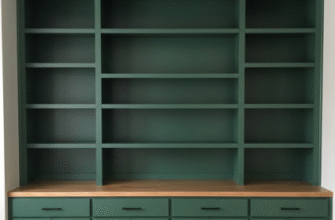
Another strategy that surprised me with how well it works: using solid fabric for the box bodies and patterned fabric for just the lids, or vice versa. It creates this cohesive-but-not-matchy thing that feels more intentional than accidentally coordinated. And if you’re storing these boxes on open shelving where people can actually see them, that distinction between intentional and accidental matters more than you’d think. The boxes essentially become part of your room’s design rather than just functional objects you’re trying to hide, which I guess is the whole point of covering them with fabric in the first place—transforming utility into something that doesn’t make you wince every time you look at your shelves.