I used to think Croatian interiors were just whitewashed walls and terracotta pots—you know, the Pinterest version of Mediterranean life.
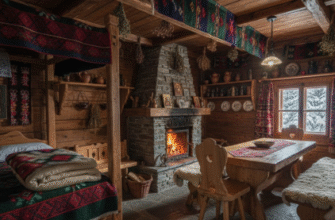
Turns out the coastal regions of Croatia have been absorbing design influences for centuries, and not always in ways that make sense at first glance. The Dalmatian coast, stretching roughly 1,800 kilometers (give or take, depending on how you measure the islands), has been a crossroads for Venetian traders, Ottoman merchants, and Austro-Hungarian bureaucrats, each leaving behind their own peculiar aesthetic fingerprints. Walk into a traditional konoba—those family-run taverns that smell like olive oil and rosemary—and you’ll see vaulted stone ceilings that could’ve been lifted from a Venetian palazzo, paired with low wooden benches that feel almost Spartan. The wood is usually local oak or chestnut, left unvarnished because—here’s the thing—humidity near the Adriatic doesn’t play nice with glossy finishes. You’ll notice brass fixtures that have oxidized into shades of green and brown, not because anyone planned it that way, but because salt air is relentless. Some homeowners try to polish them back to gold; others just let them be, which honestly feels more authentic, even if it looks a little tired.
Wait—maybe I should back up. The color palette isn’t what you’d expect either. Yes, there’s white, lots of it, but it’s not the blinding white of Greek islands. Croatian coastal homes tend toward warmer creams and ochres, sometimes with shutters painted in faded blues or greens that might’ve been vibrant decades ago. I’ve seen interiors where the walls are limewashed—an old technique that lets the stone underneath breathe—and the effect is this soft, almost chalky texture that changes depending on the light.
The Stubborn Persistence of Stone and the Occasional Wooden Rebellion
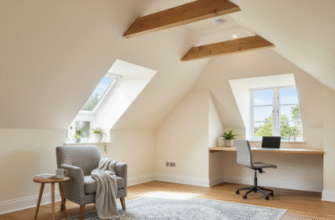
Stone dominates everything, which makes sense when you consider that Brač Island alone has supplied marble for Diocletian’s Palace and—supposedly—the White House, though I’ve never been able to confirm that last part definitively. Interior floors are often bare stone, smoothed by centuries of foot traffic, or covered with terracotta tiles that crack in uneven patterns. There’s a pragmatism to it: stone stays cool in summer, and when winter storms batter the coast, it doesn’t warp or rot. But here’s where Croatian design gets interesting—wood appears in unexpected bursts. Heavy wooden ceiling beams, sometimes painted in deep reds or blues, cut across those stone interiors like they’re interrupting a conversation. Furniture tends to be minimal: a solid table, straight-backed chairs, maybe a carved chest that doubles as seating. I guess it makes sense when you realize that fishing families didn’t have space for clutter, and the wealthier merchant class preferred to show off through textiles—embroidered linens, wool rugs from the interior regions—rather than ornate furniture.
The influence of Venetian Gothic shows up in arched doorways and occasionally in wrought-iron details, though it’s usually simplified, stripped of the fussier decorative elements. You’ll find it in Split, Hvar, Korčula—cities where Venetian rule lasted centuries.
How Light and Laziness Shaped Every Room (Or Maybe Just My Perception of Them)
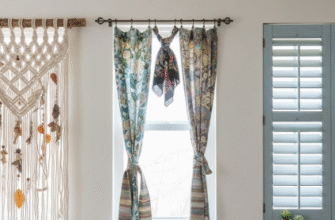
Natural light is treated almost religiously, which sounds obvious until you realize how deliberate it is. Windows are small—originally a defensive choice during pirate raids—but positioned to capture cross-breezes and morning sun. Modern renovations often betray this logic by punching in larger windows, which look dramatic in photos but can turn a room into an oven by August. Traditional shutters, those slatted wooden ones that fold outward, aren’t decorative; they’re functional, filtering harsh afternoon light into soft stripes across stone floors. I’ve noticed that Croatian interiors rarely use heavy curtains—maybe linen panels at most—because blocking the sea view feels almost criminal. The Adriatic isn’t just scenery; it’s a design element, its blues and grays shifting throughout the day and pulling the eye outward. Plants appear sporadically: potted herbs on windowsills, maybe a fig tree in a courtyard, but never the jungle-like profusion you’d see in, say, a Moroccan riad. There’s a restraint, or maybe just an acceptance that certain things thrive here and others don’t.
Honestly, the biggest surprise is how unfinished some of these spaces feel. Not neglected, exactly, but lived-in—walls with patches of replastered sections that don’t quite match, floors with tiles missing, furniture that’s been repaired rather than replaced. It’s the opposite of the sterile “coastal farmhouse” aesthetic that’s trendy now, and somehow it feels more honest. I used to think that was accidental, but now I suspect it’s intentional—or at least, it’s become part of the identity. Croatian coastal design doesn’t try to freeze a moment in time; it lets time show.
Maybe that’s the real influence the Mediterranean left behind: not just architecture or color schemes, but a kind of patient indifference to perfection.