
I used to think custom millwork was just expensive carpentry until I walked into a penthouse on Park Avenue where every surface told a story.
The thing about luxury—real luxury, not the kind you buy off a showroom floor—is that it lives in the details nobody else thinks to include. Custom millwork and built-ins are where architects and designers create those moments that make you stop mid-conversation and run your hand along a wall panel. I’ve seen library walls that conceal entire home theaters, kitchen islands with hidden charging stations that pop up like something from a spy movie, and bedroom closets that look like boutique stores but somehow feel more intimate. The craftsmanship involved isn’t just about cutting wood precisely; it’s about understanding how light hits a beveled edge at 3 p.m. on a Tuesday, or how the grain pattern on a walnut panel can make a hallway feel twice as long. Honestly, the best millwork I’ve encountered didn’t announce itself—it just made every other room I entered afterward feel slightly incomplete.
When Standard Cabinets Stop Making Sense for High-End Spaces
Here’s the thing about prefabricated anything: it’s designed for averages. Average ceiling heights, average room proportions, average human needs. But luxury homes aren’t average, and neither are the people living in them.
Custom built-ins solve problems you didn’t know existed until someone shows you the solution. A wine collector in Napa once told me about her 2,000-bottle cellar that looks like a minimalist art installation—each bottle backlit, each rack calibrated to exactly 55 degrees with separate humidity zones. The millwork studio spent four months just on the joinery because the redwood had to age first, then acclimate to her home’s specific climate. Standard wine racks would’ve held the bottles just fine, I guess, but they wouldn’t have transformed her basement into a space where she actually hosts dinners. The built-ins created the experiance, not just the storage. Wait—maybe that sounds pretentious, but I’ve been in enough homes now to know the difference between showing off and actually living well.
The Forgotten Art of Proportional Relationships in Interior Architecture
Proportion is where most millwork projects go wrong, even expensive ones.
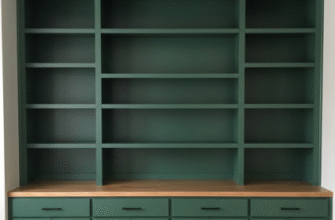
I remember touring a newly renovated townhouse in Boston where someone had installed what must have been $200,000 worth of custom cabinetry—beautiful materials, flawless finish work, but the designer had missed something fundamental about how the eye moves through connected spaces. The built-ins in the dining room were too tall relative to the door casings, creating this weird visual stutter every time you walked from one room to the next. Classical architecture has these ratios figured out—roughly 1:1.618 if you’re going full Golden Ratio, though honestly most good craftspeople just feel it—but modern millwork often ignores these relationships in favor of maximizing storage. Luxury isn’t about having more cabinets; it’s about having the right cabinets in conversation with your ceilings, your windows, your sight lines. A master carpenter I know in Vermont refuses projects where the architect hasn’t considered how the millwork relates to the structural beams, which sounds extreme until you see his work and realize every other built-in you’ve encountered was basically furntiture screwed to walls.
Why Bespoke Joinery Techniques Define Permanence and Value
Turns out, the joints matter more than the wood itself.
You can use moderately priced walnut with traditional dovetail joinery and mortise-and-tenon construction, and it’ll outlast exotic woods held together with modern fasteners and adhesives. I visited a restoration project in Charleston where they were dismantling 1780s-era built-in bookcases—no nails, no screws, just wooden pegs and precise joints—and the pieces came apart cleanly, ready for another 240 years of service. Contemporary millwork studios charging luxury prices often skip these techniques because they’re labor-intensive and require craftspeople who’ve spent years learning skills that YouTube tutorials can’t teach. The difference shows up in how cabinets age. Machine-cut joints with pocket screws might look identical on installation day, but give them ten years of humidity changes and foundation settling, and you’ll see gaps, hear creaks, notice doors that don’t quite close. Bespoke joinery actually gets tighter over time as the wood moves within tolerances the craftsperson planned for.
I guess what I’m saying is luxury isn’t the price tag—it’s whether your grandchildren will fight over who inherits the library.