I used to think conversation areas just happened naturally, like people would magically gravitate toward wherever the couch was.
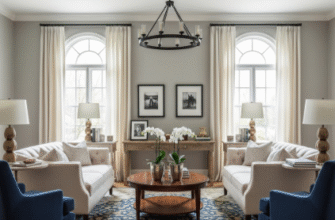
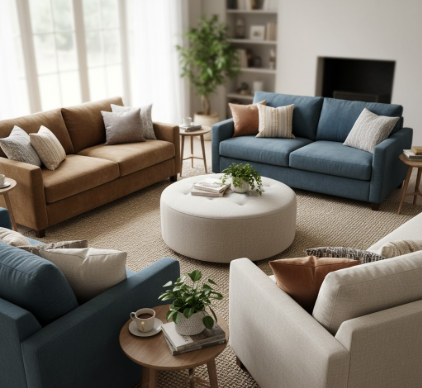
Turns out, creating a space where people actually want to talk—where they lean in instead of checking their phones or excusing themselves to the kitchen—requires a kind of architectural choreography that most of us stumble through by accident. I’ve seen living rooms with twelve-thousand-dollar sectionals that somehow feel like waiting rooms, and I’ve sat in cramped apartments where four mismatched chairs around a coffee table created the kind of intimacy you’d find in those old Parisian salons, give or take a few centuries of cultural context. The distance between seats matters more than most interior design books let on: roughly 4 to 10 feet between seating positions seems to hit that sweet spot where conversation flows without anyone having to shout or whisper. Too far and you’re hosting a lecture; too close and you’re conducting an interrogation. Here’s the thing—our bodies know this instinctively, even if our furniture arrangements don’t always reflect it.
Anyway, I started measuring the conversation areas in my friends’ homes, and the pattern became obvious. The spaces that worked always had what one architect I spoke with called “the triangle of engagement,” though I’m not entirely sure that’s an official term or something she made up on the spot.
The Geometry of Actually Wanting to Stay in the Room
Seating arrangements form invisible lines of sight, and if you’ve ever sat on a couch perpendicular to someone in an armchair, you know that 90-degree angle creates a different conversational energy than sitting directly across from each other. L-shaped configurations tend to feel more collaborative—there’s research from environmental psychology suggesting that right angles reduce confrontational feelings compared to face-to-face arrangements, though I’d need to dig up the exact study because I’m working from memory here. U-shapes and circular arrangements pull everyone into a sort of democratic forum, which sounds great until you realize they can also trap people who want to exit gracefully. I guess what I’m saying is that geometry isn’t neutral. The shape of your seating plan is already having conversations before anyone sits down, creating invisible scripts about who talks to whom and how formal or casual the whole thing feels.
Lighting That Doesn’t Make Everyone Look Like They’re Being Interrogated
Wait—maybe the most overlooked element is lighting, which is weird because it’s literally what lets us see each other’s faces.
Overhead lighting creates shadows under eyes and cheekbones that make everyone look vaguely exhausted or suspicious, like you’re all auditioning for a detective show. I’ve been in living rooms where the lighting was so harsh that conversation felt performative, like we were on stage rather than just catching up. Table lamps and floor lamps at roughly eye level when seated—so around 40 to 50 inches off the ground—create what lighting designers call “ambient intimacy,” though honestly I might be making up that exact phrase because the terminology gets fuzzy. Multiple light sources at different heights prevent that interrogation-room vibe and let people’s expressions stay readable without that weird flattening effect you get from a single ceiling fixture. Dimmers help, obviously, but even without them, having three or four separate light sources that you can mix and match changes the entire emotional temperature of a room in ways that are hard to describe but impossible to miss once you notice.
The Coffee Table Debate That Never Ends
Honestly, I go back and forth on coffee tables.
They create a natural gathering point and give people somewhere to put their drinks, which seems like basic hospitality until you realize they also create a physical barrier between people sitting across from each other. Some interior designers swear by ottoman-style coffee tables that you can move easily or that double as extra seating in a pinch, which makes sense for flexibility. Others argue that a solid table anchors the space and gives conversations a focal point—somewhere to spread out a book or a map or whatever people used to do before everyone just pulled out their phones. The height matters more than I initially thought: coffee tables around 16 to 18 inches high work with standard sofa heights of about 18 inches, keeping everything in a comfortable reach without requiring people to lean forward awkwardly. I’ve definately sat in rooms where the coffee table was too low or too high, and it’s distracting in this subtle way that makes the whole arrangement feel slightly off, even if you can’t articulate why.
Textiles and the Unspoken Permission to Relax
Here’s something I didn’t expect: the tactile quality of seating surfaces changes whether people actually settle in or perch nervously on edges.
Slippery leather or stiff formal fabrics send a message about how casual you’re allowed to be, which might be appropriate for some contexts but works against the goal of comfortable conversation. Soft, textured fabrics—linen, cotton, even certain synthetic blends that don’t feel plasticky—give people permission to sink in, to stay awhile, to forget they’re supposed to be sitting up straight. Throw pillows and blankets scattered around aren’t just decorative; they’re tactical tools for comfort that let people adjust their posture without having to ask for anything. I’ve noticed that in homes with really inviting conversation areas, there’s always this layer of softness that makes the space feel like it’s designed for humans rather than photographs. The color and pattern matter too, creating visual warmth that translates into emotional warmth in ways that seem almost magical until you realize it’s just our primate brains responding to environmental cues that signal safety and comfort.
Acoustic Considerations Nobody Mentions Until It’s Too Late
Sound behaves differently in every room, and I’ve been in living spaces where conversation was exhausting because of echo.
Hard surfaces—wood floors, glass tables, bare walls—bounce sound around until every word requires extra effort to parse, like trying to have a conversation in a parking garage. Rugs, curtains, upholstered furniture, even bookshelves full of books absorb sound and create what acousticians call a “shorter reverberation time,” which basically means your words don’t bounce around competing with themselves. I used to think this was only relevant for home theaters or music rooms, but it turns out that conversation areas benefit enormously from acoustic dampening that most of us add accidentally through decoration. The difference between a room with a large area rug and one without can be the difference between a two-hour dinner party conversation and everyone leaving after forty minutes because they’re mysteriously tired. Background noise matters too—if your conversation area is too close to the kitchen or a busy street without adequate sound barriers, people will subconciously raise their voices and lean forward, which creates fatigue that ends gatherings earlier than anyone intended.