I used to think Albanian interior design was all about those heavy communist-era concrete blocks, you know?
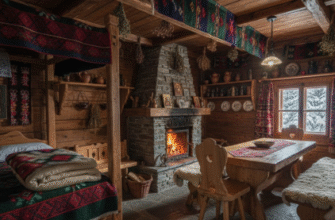
Turns out, if you actually spend time in the mountain villages—say, around Theth or the Accursed Mountains—you’ll find something way more intricate. The stone houses there, called kulla, have these narrow defensive windows that double as architectural ventilation systems, which is wild because nobody really talks about how the Ottoman siege mentality shaped everyday climate control. The floors are usually packed earth or limestone slabs, worn smooth by generations, and the walls get this irregular whitewash treatment that’s honestly more about available materials than aesthetic choice. But here’s the thing: the textiles. Women in these regions still weave qilima rugs using patterns that predate the Roman occupation—geometric motifs in deep reds and blacks that supposedly ward off evil spirits, though I guess it’s more about cultural continuity than actual supernatural protection. The wooden ceiling beams, hand-hewn from beech or oak, develop this dark patina from decades of hearth smoke, and you can still see the axe marks if you look close enough.
Wait—maybe I should mention the coastal influence first. The Adriatic towns like Durrës and Vlorë have a completley different vibe.
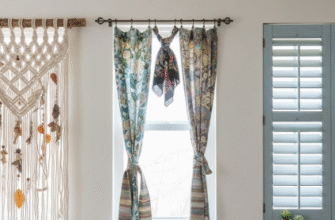
The Venetian trading routes left behind arched doorways and those distinctive terracotta roof tiles you see all over the Mediterranean, but the Albanians adapted them with local clay that fires to this almost orange-pink color instead of the typical burnt sienna. Inside, you’ll find these hybrid spaces where Italian-style frescoed walls meet Turkish divanhane seating areas—low platforms with embroidered cushions arranged around the perimeter, because apparently sitting on chairs was a Western affectation that took centuries to catch on. The windows are larger here, obviously, since you’re not worried about mountain raiders, and they often have wooden shutters painted in faded blues and greens that echo the sea but also happen to repel insects through some combination of linseed oil and local superstition. I’ve seen houses where the ground floor is still designed for livestock—a practical holdover from when Ottoman tax collectors assesed wealth based on human living space, so you’d just put the goats downstairs and technically avoid higher rates.
Honestly, the blending gets messier inland.
In places like Berat or Gjirokastër, both UNESCO sites now, you get these stone-roofed houses clinging to hillsides where mountain austerity meets Adriatic ornamentation in ways that shouldn’t work but do. The interiors feature çardak—wooden galleries that jut out over the street, creating shaded social spaces that serve the same function as Italian balconies but with distinctly Balkan engineering. The color palettes shift from the coastal pastels to deeper earth tones: ochres, umbers, the occasional startling cobalt from smuggled pigments. Storage niches get carved directly into stone walls, lined with wood to prevent moisture damage, and you’ll find copper coffee sets displayed alongside Orthodox icons and Islamic calligraphy, because religious plurality was just how things were before nationalism made everything complicated. The hearths are massive—some big enough to stand in—and they’re positioned to heat multiple rooms through a network of clay flues that’s basically medieval central heating, give or take a few efficiency problems.
There’s this material honesty that runs through all of it.
Nobody’s pretending stone is marble or painting wood to look like something fancier, which I think comes from centuries of relative poverty but also a kind of mountain pragmatism that doesn’t see the point in fakery. The few decorative elements—carved wooden screens, wrought iron window grilles, hand-painted ceiling roses—stand out precisely because they’re rare, deliberate choices rather than mass-produced filler. Modern Albanian designers are starting to reclaim these elements, stripping away the 1970s Brutalist overlays to expose original stone and timber, though sometimes they over-romanticize the pastoral thing and you end up with boutique hotels that feel more like theme parks than actual cultural preservation. But when it works, when you walk into a restored kulla that still smells like woodsmoke and sheep’s wool, with afternoon light filtering through those slit windows onto a 400-year-old rug—yeah, I guess it makes sense why people are paying attention now.