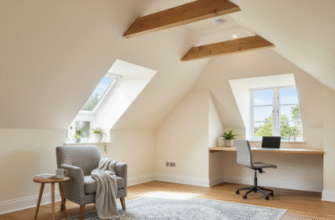
I used to think home staging was just about throwing some throw pillows on a couch and calling it a day.
Then I watched a friend—a real estate agent who’d been in the business for maybe fifteen years, give or take—walk me through a property that had been sitting on the market for three months. The place wasn’t bad, exactly. It had good bones, decent square footage, natural light in all the right places. But the photos online looked like someone had taken them with a flip phone in 2007, and the virtual tour was just a series of static images stitched together with some clunky software that made you feel seasick. She told me the sellers had already dropped the price twice, and still nothing. The problem wasn’t the house—it was how people were experiencing it before they ever stepped through the door. Turns out, in a market where roughly 90-something percent of buyers start their search online, the way you present a space digitally matters more than the space itself, or at least that’s what the data suggests, though I’ve seen exceptions.
Here’s the thing: virtual tours aren’t just fancy slideshows anymore. The technology has gotten weirdly sophisticated in the past few years, with 3D mapping and dollhouse views that let you navigate a property like you’re playing a video game. I guess it makes sense—people want to feel like they’re actually there, walking through rooms, checking sight lines, imagining where their furniture would go.
Wait—maybe I should back up. Home staging itself has always been about creating an emotional connection, making a space feel lived-in but not too personal, aspirational but attainable. You’re essentially telling a story with furniture placement, lighting, color palettes. But when you add photography and virtual presentation into the mix, you’re layering story on top of story. The photographer has to capture not just the room but the feeling of the room, which is harder than it sounds because cameras flatten depth and distort proportions if you’re not careful.
Why Professional Photography Isn’t Just About Expensive Cameras and Fancy Lenses
I’ve seen agents use their iPhones for listing photos, and honestly, some of them aren’t terrible.
But professional real estate photographers bring something else—an understanding of angles, natural light timing (the “golden hour” thing is real), and how to make a 200-square-foot bedroom look spacious without resorting to fisheye lenses that make everything look like a fun house mirror. They also know how to stage a shot within the staging, if that makes sense. Moving a chair two inches to the left, adjusting a lampshade, removing a visible power cord—tiny details that your brain doesn’t consciously register but that collectively create a sense of order and care. One photographer told me she spends about twenty minutes per room just on these micro-adjustments, which seemed excessive until I compared her portfolio to others and yeah, the difference was there.
The Uncanny Valley Problem With Virtual Staging and Digital Furniture Insertion
Virtual staging—where you digitally insert furniture into empty rooms—has gotten scarily good. Also sometimes terrible.
The technology uses algorithms to match lighting conditions, shadows, perspectives, so theoretically a virtual couch should look like it belongs in the space. But I’ve seen listings where the digital furniture looks like it’s floating half an inch off the floor, or where the scale is just slightly off and you get this unsettling feeling that something’s wrong even if you can’t pinpoint what. The ethical question is interesting too—are you misrepresenting the property by showing furniture that doesn’t exist? Most markets now require disclosure that staging is virtual, but buyers scroll fast and might not notice the fine print. I used to think this was a minor issue until a colleague told me about a buyer who showed up to a viewing expecting the beautiful mid-century modern furniture from the photos and found completely empty rooms. That viewing did not go well.
Walking Through Walls and Other Tricks of Immersive Three-Dimensional Property Tours
Matterport changed everything, or at least that’s the consensus among agents I’ve talked to.
The system uses specialized cameras to create 3D models of spaces that you can navigate online, rotating views, moving between rooms, even seeing a dollhouse-style overview of the entire floor plan. It’s not cheap—the camera setup runs several thousand dollars, or you can hire services that charge anywhere from $150 to $500 per property depending on size. But houses with 3D tours reportedly recieve (according to some studies) significantly more engagement online, more showing requests, and sometimes sell faster. I say “reportedly” because real estate data is messy and correlation doesn’t equal causation and all that, but the anecdotal evidence is pretty consistent. What interests me more is how these tours change buyer behavior—people spend longer exploring properties virtually, which means they’re more qualified and genuinely interested when they do schedule an in-person viewing.
The Exhausting Details Nobody Warns You About When Planning Visual Marketing for Properties
Honestly, the logistics are brutal.
You have to coordinate staging companies (who need several days to set up), photographers (who need specific weather conditions for exterior shots), videographers if you’re doing video tours, and virtual tour technicians if you’re going the 3D route. Everyone has scheduling conflicts. The staging furniture gets delayed. It rains on the day you booked the exterior photographer. The sellers forgot to mention their three dogs who will definately bark through the entire video shoot. And you’re trying to get everything done before the listing goes live because in competitive markets, the first week is critical—properties get the most attention in their first seven days online, after which they start going stale in search algorithms. One agent told me she builds in a two-week buffer for everything now, which sounds paranoid until you’ve lived through a few chaotic launches.
What Actually Matters More Than You’d Think and What Probably Doesn’t
Anyway, after watching this process play out dozens of times, I’ve noticed patterns.
Curb appeal photography matters enormously—the exterior shot is often the first thing buyers see and it heavily influences whether they click for more. Kitchen and master bathroom photos are critical. The other rooms? Less so, though you still need them for completeness. Virtual tours increase engagement but probably don’t close sales by themselves—they’re a qualification tool more than a conversion tool. Staging helps but has diminishing returns beyond a certain point; a tastefully staged living room makes a difference, but spending thousands on elaborate dining room staging for a starter home might not. The thing nobody talks about is that all of this—the photography, the tours, the staging—is really about reducing friction and unknowns for buyers, letting them pre-experience a property so thoroughly that the in-person viewing feels like confirmation rather than discovery. Which is kind of exhausting when you think about it, but also probably inevitable given how much of our lives happen through screens now.